
AI won’t replace you but someone using AI might
- Date:
- May 25, 2026
- Source:
- University of Vaasa
- Summary:
- Generative AI is transforming the workplace faster than ever, but new research from the University of Vaasa suggests the biggest threat may not be AI itself — it’s falling behind in learning how to use it. Researcher Zhe Zhu found that employees who see tools like ChatGPT and Gemini as helpful collaborators rather than job-stealing rivals tend to be more engaged, adaptable, and optimistic about their careers.
- Share:
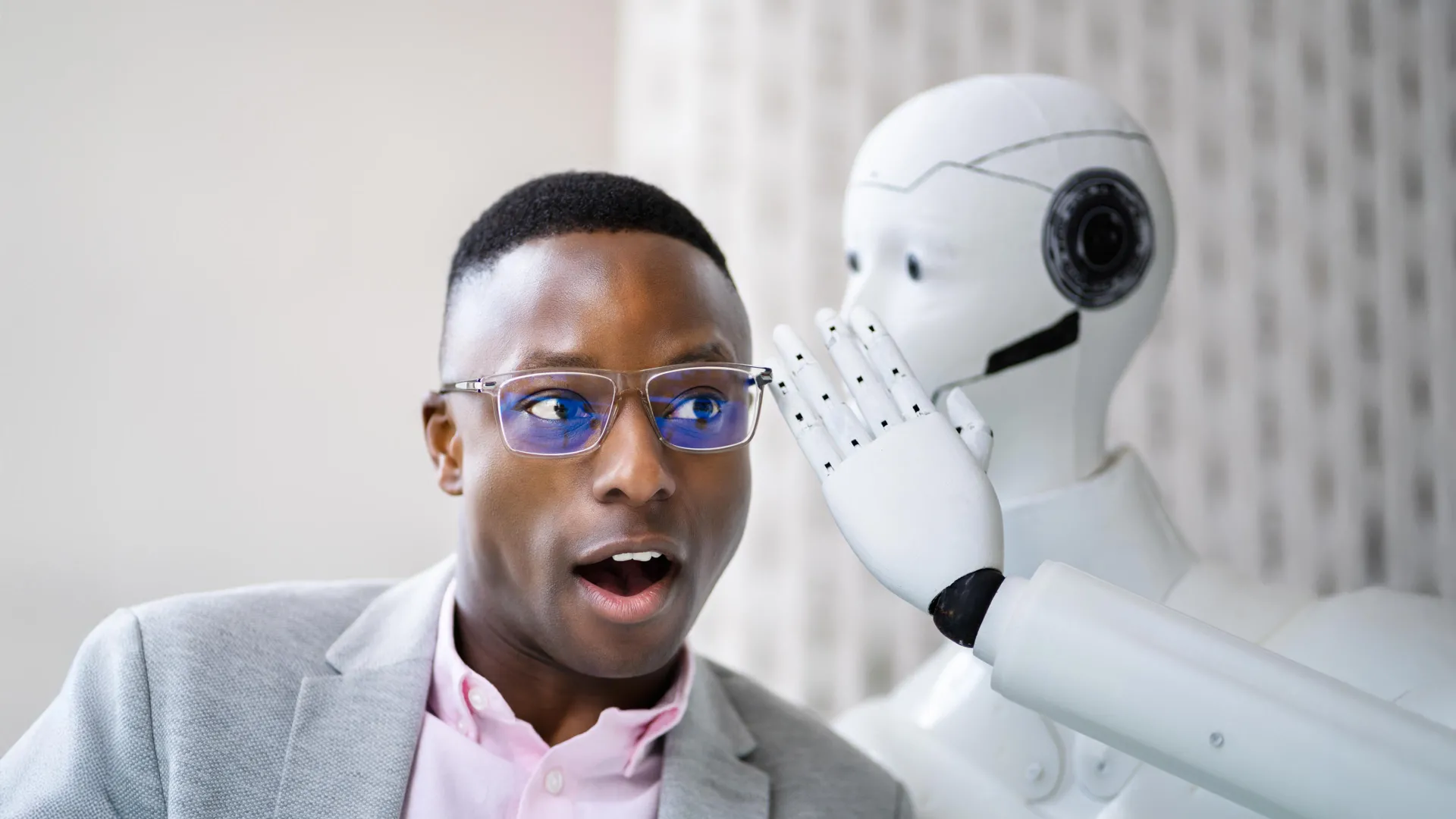
The rapid rise of generative artificial intelligence has fueled growing fears about job loss and the future of work. However, new research from the University of Vaasa in Finland suggests AI may actually help employees become more engaged and adaptable when they view the technology as a useful partner rather than a threat.
In his doctoral dissertation, researcher Zhe Zhu explored how generative AI tools such as ChatGPT and Gemini are changing workplaces and influencing employees' experiences on the job. The research focused on both organizational decision making and the human side of AI adoption.
Many workers remain concerned about losing control or becoming less relevant as AI tools spread through the workplace. Yet Zhu's findings suggest that these concerns can sometimes motivate employees to learn new skills and use AI more effectively to strengthen their careers.
"As NVIDIA CEO Jensen Huang has pointed out, workers are not simply being replaced by AI, but by those who have learned to use GenAI to work more effectively. The workers that perceive GenAI more positively are also more engaged and adaptable in their careers," notes Zhu.
Why Trust in AI Matters
According to the research, trust plays a major role in determining whether AI helps or harms employees and organizations. Workers who trust AI too much may accept inaccurate information without questioning it, while employees who distrust the technology completely may overlook its potential advantages.
Zhu argues that organizations must carefully manage this balance as AI becomes part of everyday workflows.
Building an AI Ready Workplace
The study found that successful AI adoption depends less on the technology itself and more on how organizations implement it. Companies need to address ethical concerns, data privacy, and responsible governance while integrating AI into their operations.
"Organizations should follow a strategic roadmap to align the technology with their goals and build ecosystems with industry and academic partners. My research proposes an eight-step framework that guides organizations in moving from experimentation toward a more integrated and purposeful use of GenAI," states Zhu.
Zhu believes workplaces are steadily moving toward an AI native future where AI systems are fully woven into daily tasks and processes rather than functioning as separate tools.
AI Will Change Jobs and Create New Industries
The research also points to broader economic changes driven by AI. While some jobs may disappear, Zhu says entirely new industries and career paths are likely to emerge around AI infrastructure, data centers, and digital services.
"We are in a new industrial revolution. Some jobs will disappear, but new forms of work and entirely new industries will also emerge around AI infrastructure, data centers, and digital services. Instead of fearing the technology, employees should learn how to use it critically and develop their skills alongside it," says Zhu.
Dissertation
Zhu, Zhe (2026) Generative Artificial Intelligence in Organizations: Strategic Decisions and Human Adaptations. Acta Wasaensia 586. Doctoral dissertation. University of Vaasa.
Zhe Zhu was born in 1982 in China. He earned a Master's degree in Industrial Systems Analytics from the University of Vaasa in 2021 and currently works as a Grant Funded Researcher at the university in the field of Information Systems Science.
Story Source:
Materials provided by University of Vaasa. Note: Content may be edited for style and length.
Cite This Page: