
Baking soda: For cooking, cleaning, and kidney health?
- Date:
- July 17, 2009
- Source:
- American Society of Nephrology
- Summary:
- A simple daily dose of baking soda may do more than freshen your fridge—it could actually slow down kidney failure in patients with advanced chronic kidney disease. In a breakthrough study, patients who took sodium bicarbonate saw their kidney function decline at a rate similar to normal aging, not rapid disease progression. Only 9% of them progressed to severe kidney failure, compared to 45% without it. Not only did it help kidneys, but it improved nutrition too—without raising blood pressure, despite higher sodium levels.
- Share:
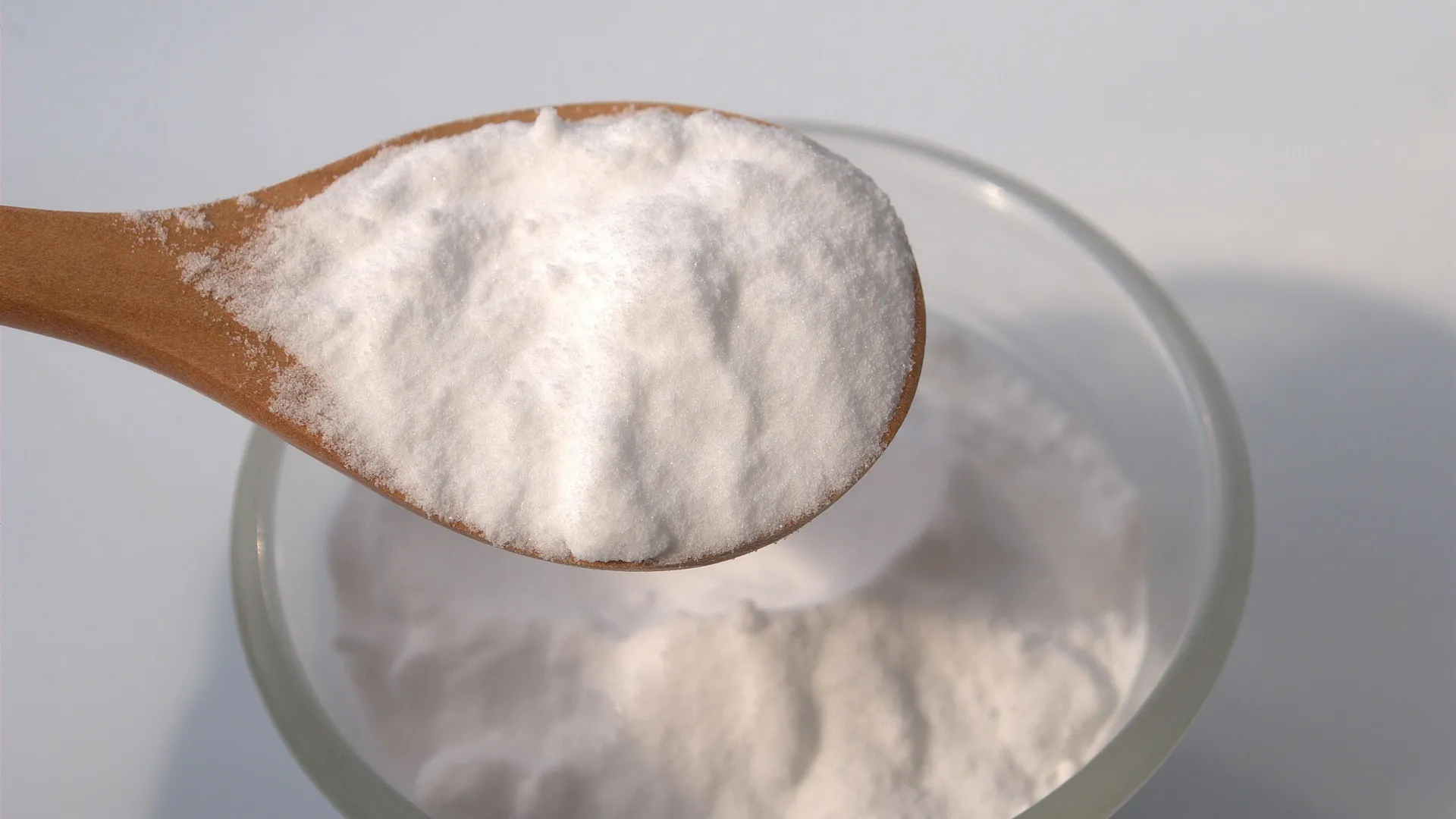
A daily dose of sodium bicarbonate—baking soda, already used for baking, cleaning, acid indigestion, sunburn, and more—slows the decline of kidney function in some patients with advanced chronic kidney disease (CKD), reports an upcoming study in the Journal of the American Society of Nephrology (JASN). "This cheap and simple strategy also improves patients' nutritional status, and has the potential of translating into significant economic, quality of life, and clinical outcome benefits," comments Magdi Yaqoob, MD (Royal London Hospital).
The study included 134 patients with advanced CKD and low bicarbonate levels, also called metabolic acidosis. One group received a small daily dose of sodium bicarbonate in tablet form, in addition to their usual care. For this group, the rate of decline in kidney function was greatly reduced—about two-thirds slower than in patients. "In fact, in patients taking sodium bicarbonate, the rate of decline in kidney function was similar to the normal age-related decline," says Yaqoob.
Rapid progression of kidney disease occurred in just nine percent of patients taking sodium bicarbonate, compared to 45 percent of the other group. Patients taking sodium bicarbonate were also less likely to develop end-stage renal disease (ESRD) requiring dialysis.
Patients taking sodium bicarbonate also had improvement in several measures of nutrition. Although their sodium levels went up, this didn't lead to any problems with increased blood pressure.
Low bicarbonate levels are common in patients with CKD and can lead to a wide range of other problems. "This is the first randomized controlled study of its kind," says Yaqoob. "A simple remedy like sodium bicarbonate (baking soda), when used appropriately, can be very effective."
The researchers note some important limitations of their study—there was no placebo group and the researchers were aware of which patients were receiving sodium bicarbonate. "Our results will need validation in a multicenter study," says Yaqoob.
Other authors were Ione de Brito-Ashurst, RD, Mira Varaganum, PhD, and Martin J. Raftery, MD (William Harvey Research Institute and Barts and the London NHS Trust, London). The authors reported no financial disclosures.
Story Source:
Materials provided by American Society of Nephrology. Note: Content may be edited for style and length.
Journal Reference:
- Ione de Brito-Ashurst , Mira Varagunam , Martin J. Raftery , and Muhammad M. Yaqoob. Bicarbonate Supplementation Slows Progression of CKD and Improves Nutritional Status. Journal of the American Society of Nephrology, 2009; DOI: 10.1681/ASN.2008111205
Cite This Page: