
The invisible microbes that help keep us healthy
Some microbes don’t make us sick, they may be quietly making us healthier.
- Date:
- January 4, 2026
- Source:
- Flinders University
- Summary:
- Not all microbes are villains—many are vital to keeping us healthy. Researchers have created a world-first database that tracks beneficial bacteria and natural compounds linked to immune strength, stress reduction, and resilience. The findings challenge the long-standing obsession with germs as threats and instead highlight the hidden health benefits of biodiversity. This shift could influence everything from urban design to environmental restoration.
- Share:
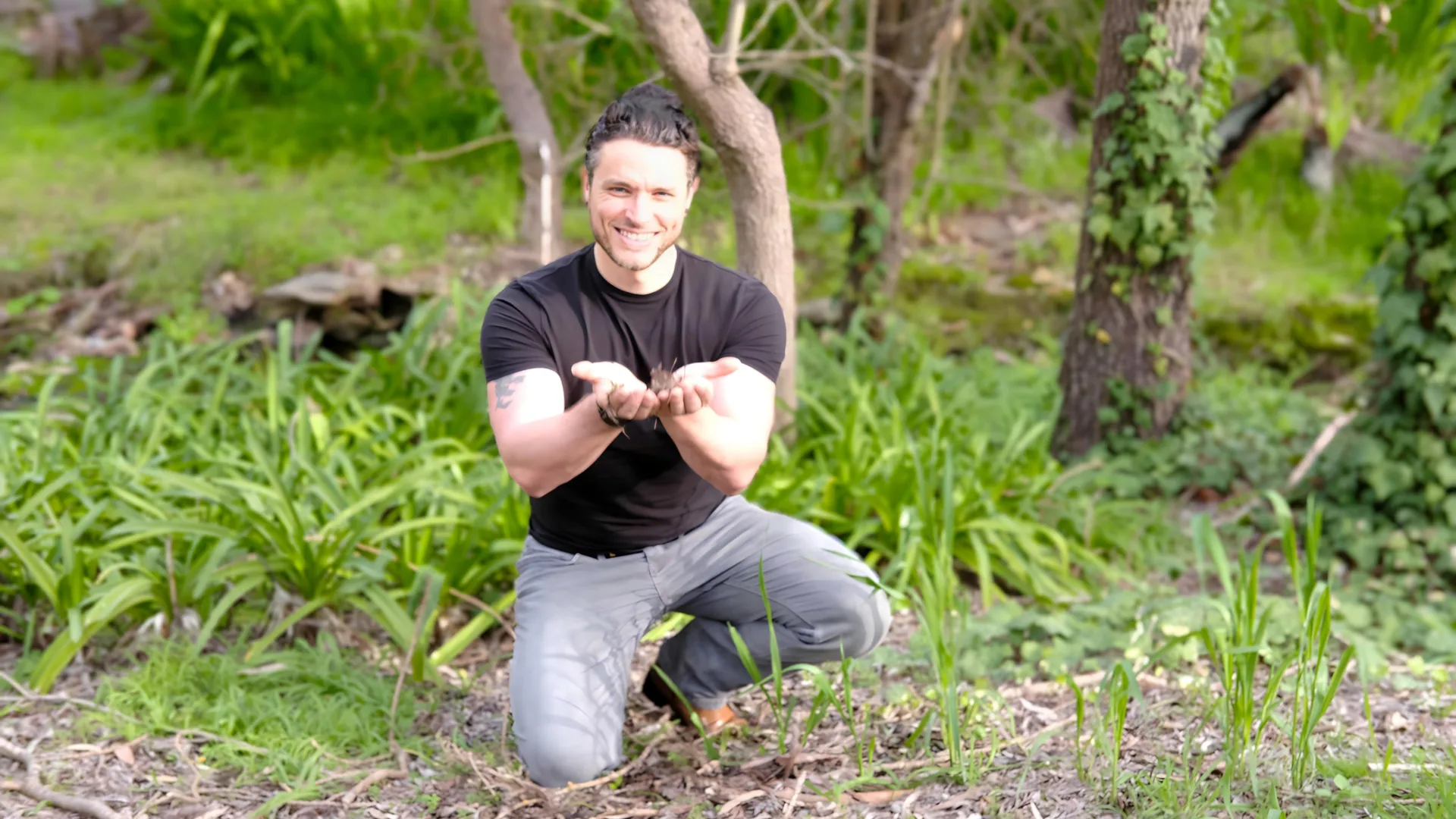
Viruses and bacteria are often viewed as harmful, but researchers at Flinders University are drawing attention to a lesser-known side of the microbial world. Their work highlights the important ways microbes can support human health, challenging the idea that all microorganisms are threats.
Flinders microbial ecologist Dr. Jake Robinson and his colleagues explore this shift in a new paper published in Microbial Biotechnology. The research encourages moving beyond a fear-based view of microbes and biogenic compounds and instead recognizing their potential health benefits.
A New Database of Health-Promoting Microbes
The study introduces the 'Database of Salutogenic Potential', a first-of-its-kind, open-access prototype that gathers information on microbes and natural compounds linked to positive health outcomes. The goal is to make this growing body of evidence easier to access and apply.
"Emerging evidence shows that exposure to diverse environmental microbiomes and natural biochemical products also promotes health and resilience," says Dr. Robinson.
"Rather than viewing biodiversity as something to be eliminated, contemporary approaches recognize the vital role of diverse ecosystems in creating salutogenic, or health-promoting, environments."
Moving Beyond a Disease-Focused View
By bringing this information together, the researchers aim to change how microbes are understood. "By consolidating this data, we aim to rebalance the story of microbes -- highlighting not only what makes us sick, but also what keeps us well. After all, health is not merely the absence of disease."
"The implications are far-reaching -- from designing healthier cities and schoolyards to guiding ecosystem restoration and rethinking green infrastructure."
Despite their importance, salutogenic microbes, meaning those that support health, and beneficial biochemical compounds have received far less attention than disease-causing organisms. Yet they play key roles in immune regulation, metabolism, disease suppression, stress reduction, and ecosystem stability.
Why Beneficial Microbes Have Been Overlooked
"For well over a century, microbes and chemicals in the air have mainly been studied as threats -- causes of infection, disease and contamination. While this pathogen-centric lens has saved countless lives, it also risks overlooking the invisible biodiversity that actively supports human and planetary health," says Dr. Robinson.
"Just as biodiversity loss threatens our health, restoring microbial and biochemical richness could be a key to healthier futures."
Key Findings and Future Applications
The team identified 124 microbial taxa with potential health-promoting effects, along with 14 biochemical compounds (from soil bacteria to plant-derived phytoncides). These are linked to benefits that include immune system support and reduced stress.
"We aim to shift the balance between pathogen-centric and salutogenic perspectives, potentially enabling future applications in public health, urban planning and ecosystem restoration," says Dr. Robinson.
"While the current iteration of the database primarily centers on human health outcomes, it is designed to expand into ecosystem health domains, embedding salutogenic thinking into One Health frameworks."
Building a Foundation for Healthier Environments
"We're not viewing this database as a finished tool. It's a foundation -- an invitation for scientists, practitioners and communities to co-create a fuller picture of how invisible biodiversity sustains our lives."
"However, even in its early form, this resource rebalances the traditional pathogen focus by consolidating data on salutogenic taxa, their benefits and environmental origins -- and it will advance holistic approaches to environmental and human health."
Urban Soils and Microbial Risk
In related research, Dr. Robinson has worked with scientists in China to show that urban soils contain more pathogens than forest soils. The study found a several-fold increase in the pathogen Klebsiella pneumoniae in cities. Published in Communications Earth and Environment (Nature Springer), the findings emphasize the need to better understand how bacterial zoonotic pathogens build up in densely populated urban areas and what that means for both human health and soil biodiversity.
Funding and Additional Information
Funding: This study was supported by the National Environmental Science Program (NESP), National Natural Science Foundation of China, New Zealand Ministry of Business Innovation and Employment, International Partnership Program of Chinese Academy of Sciences and National Key Research and Development Program of China.
Dr. Jake Robinson's third book, The Nature of Pandemics: Why Protecting Biodiversity is Key to Human Survival, has just been published.
Story Source:
Materials provided by Flinders University. Note: Content may be edited for style and length.
Journal Reference:
- Jake M. Robinson, Joel Brame, Christian Cando‐Dumancela, Sonali Deshmukh, Nicole W. Fickling, Scott Hawken, Claire Hayward, Emma Kuhn, Kevin Lee, Craig Liddicoat, Sunita Ramesh, Kate Robinson, Xin Sun, Martin F. Breed. Mapping and Cataloguing Microbial and Biochemical Determinants of Health: Towards a ‘Database of Salutogenic Potential’. Microbial Biotechnology, 2025; 18 (10) DOI: 10.1111/1751-7915.70243
Cite This Page: