Fertility Herbal Supplement Sprouts Promising Results In Stanford Pilot Study
- Date:
- April 21, 2004
- Source:
- Stanford University Medical Center
- Summary:
- A researcher at the Stanford University School of Medicine says a small study shows promise for a nutritional supplement that may help boost fertility in women who have difficulty conceiving.
- Share:
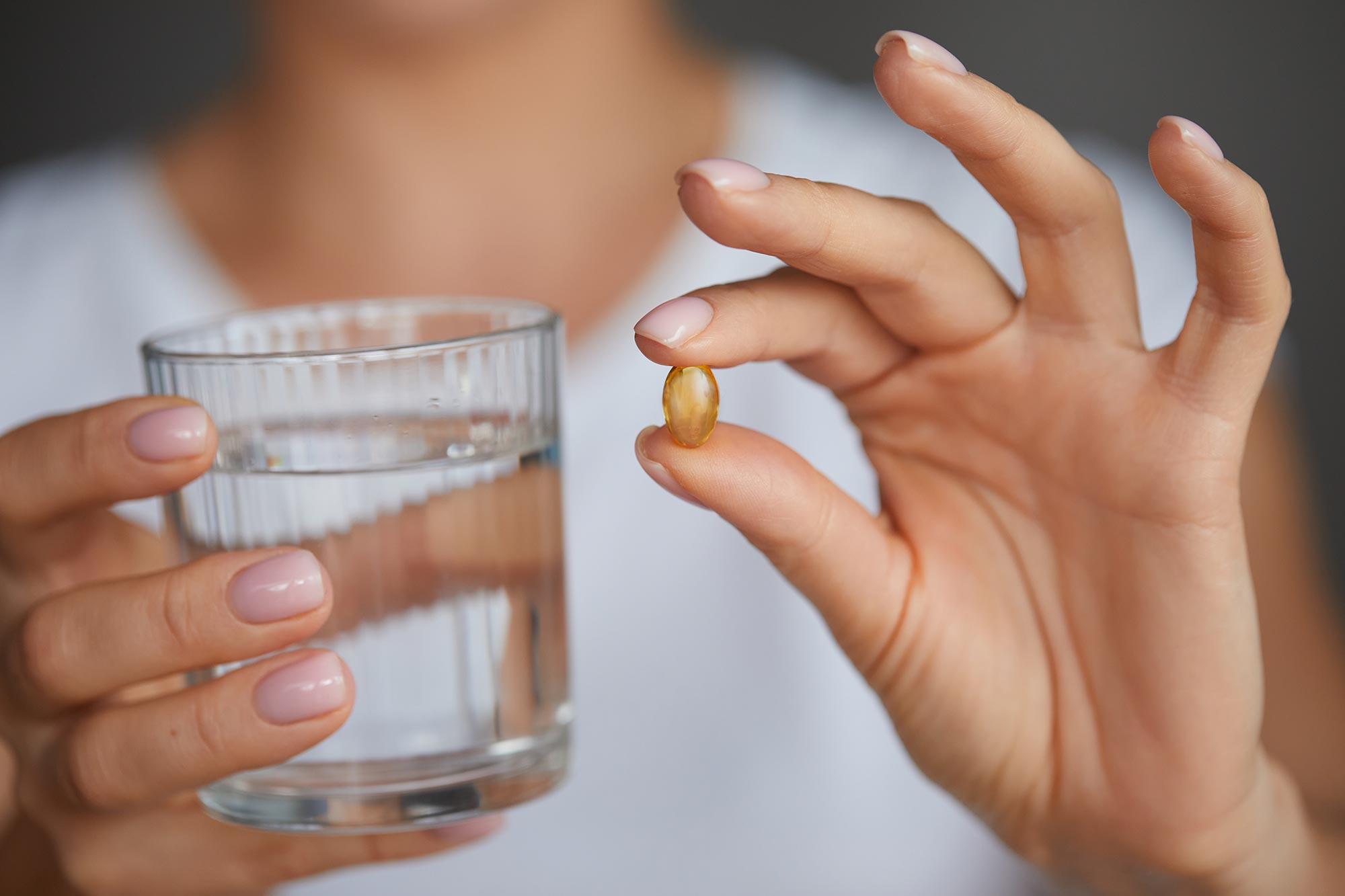
STANFORD, Calif. – A researcher at the Stanford University School of Medicine says a small study shows promise for a nutritional supplement that may help boost fertility in women who have difficulty conceiving. Initial results indicate that of the women who took the supplement, one-third became pregnant after five months.
“This was a small, pilot study but if the findings hold up in a larger trial, the supplement may be a feasible treatment for some women,” said Lynn Westphal, MD, assistant professor of obstetrics and gynecology, whose study results appear in the April issue of the Journal of Reproductive Medicine.
One in six couples in the United States has trouble conceiving, Westphal said. The possible culprits include endometriosis, polycystic ovarian syndrome, male factor infertility and irregular menstrual cycles, among others. Treatments vary, and she said a growing number of patients have expressed interest in pursuing alternative therapies before taking more aggressive routes such as in vitro fertilization. Despite this, little research has been done on the benefit of a pre-pregnancy supplement to optimize fertility health.
“There’s not a lot of work in this area but it’s an important one,” she said. “Many women are interested in avenues aside from aggressive infertility treatment. If we can find an effective way to treat patients less invasively, it would be a great benefit.”
The supplement she studied, marketed as “FertilityBlend,” contains chasteberry (an herb that has been shown to improve ovulation and restore progesterone balance, which can be skewed in women having difficulty conceiving), L-arginine (an amino acid that improves circulation to the reproductive organs), green tea and numerous vitamins and minerals.
To study the effects of FertilityBlend, Westphal recruited 30 volunteers who had tried unsuccessfully to conceive for six to 36 months. The women ranged in age from 24 to 46; some had been tested and diagnosed with a particular disorder that hindered their fertility while others fell into the category of “unexplained” infertility.
During the double-blind study, the women were randomly assigned to take the supplement or a placebo three times a day. Changes in progesterone levels, basal body temperatures and menstrual cycles were then monitored. After three months, the supplement group had an increased progesterone level and a significant increase in the average number of days in their menstrual cycle in which they had basal temperatures above 37 degrees Celsius, which indicates better ovulation, Westphal said. The placebo group, meanwhile, showed no notable changes. After five months, five of the 15 supplement participants were pregnant and none of the 15 women on placebo were. The pregnancies resulted in four healthy babies; one woman miscarried.
“I was definitely skeptical before the study, but the results are promising,” said Westphal, adding that she believes the chasteberry component of the supplement most likely played the biggest role in boosting fertility.
Westphal said she considers the supplement a good option for younger women who choose to forego or postpone aggressive treatment. However, she encouraged women over the age of 35 who have been trying to get pregnant for more than six months to get a full evaluation from their physicians.
Based on its promising findings, Westphal’s pilot study has been expanded to a larger multicenter study. She is currently enrolling women ages 18 to 43 who have been trying to get pregnant for six to 36 months and have abnormal menstrual cycles. She is also looking for men to enroll in a separate study on FertilityBlend for Men, a supplement containing L-carnitine (an amino acid that can improve sperm function) and ferulic acid (an antioxidant that has shown to improve sperm quality). Interested volunteers should call (650) 498-7911.
The study was funded by the Asian Cultural Teaching Foundation and the Sunnyvale, Calif.-based Daily Wellness Co., which manufactures FertilityBlend. Westphal’s Stanford colleague on the study was Mary Lake Polan, MD, PhD, who serves on the scientific advisory board of Daily Wellness.
Story Source:
Materials provided by Stanford University Medical Center. Note: Content may be edited for style and length.
Cite This Page: