
Ear infections can lead to meningitis, brain abscess and other neurological complications
- Date:
- April 16, 2018
- Source:
- Loyola University Health System
- Summary:
- Ear infections are often seen as a routine childhood illness, but they can still carry serious — and sometimes life-threatening — risks. Even in the age of antibiotics, complications like hearing loss, facial paralysis, meningitis, and brain abscesses continue to occur in rare cases, especially when infections spread beyond the ear. Doctors warn that symptoms such as severe headache, fever, confusion, or facial weakness should never be ignored.
- Share:
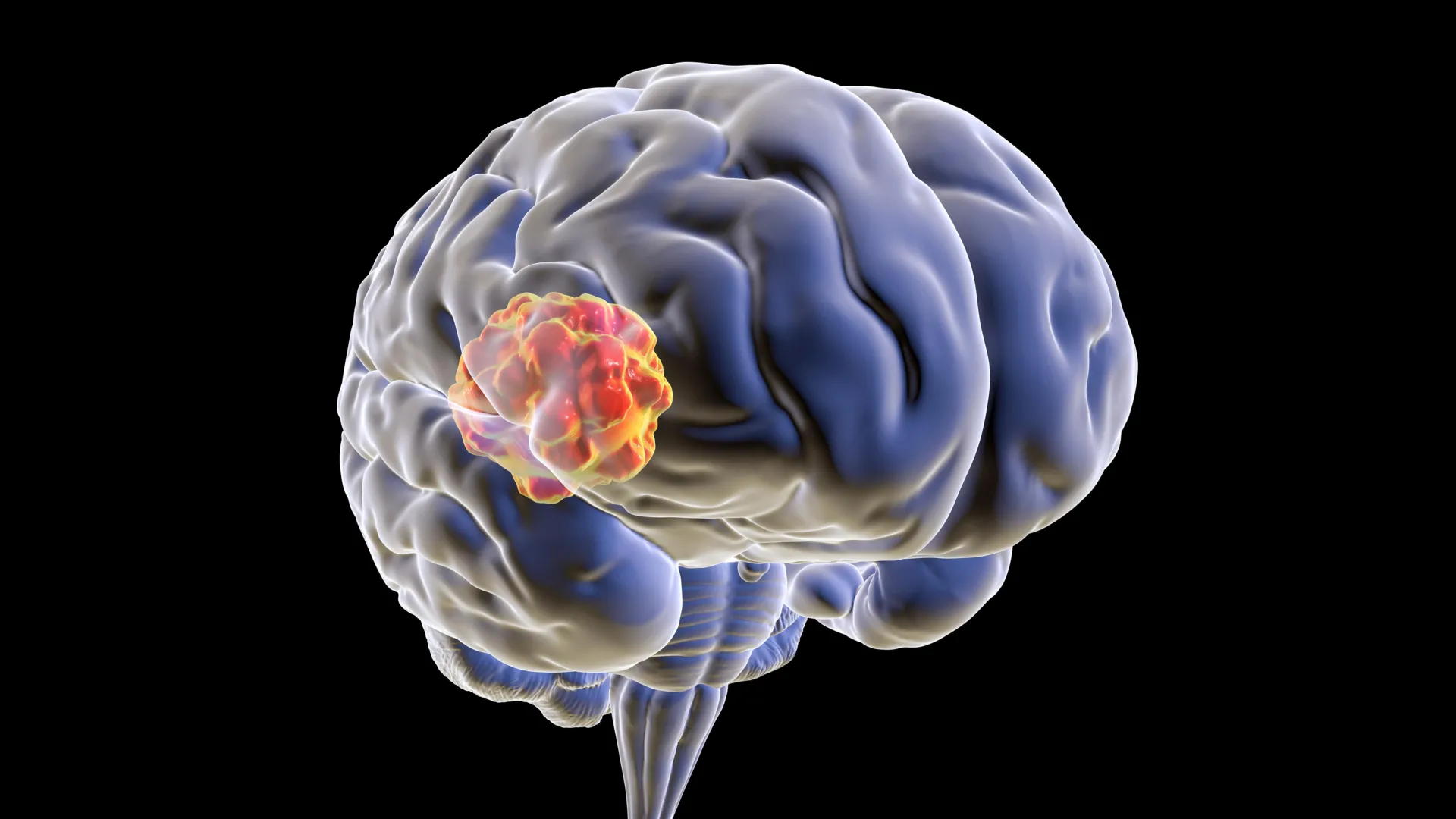
Antibiotics have dramatically lowered the dangers associated with ear infections, yet serious neurological complications can still occur in rare cases. These complications include hearing loss, facial paralysis, meningitis and brain abscess, according to a review published in the journal Current Neurology and Neuroscience Reports.
The report was authored by Loyola Medicine ear, nose and throat specialists Michael Hutz, MD, Dennis Moore, MD, and Andrew Hotaling, MD.
What Is Otitis Media and How Common Is It?
Otitis media develops when a cold, allergy, or upper respiratory infection causes fluid, pus, and mucus to build up behind the eardrum. This buildup leads to pain, pressure, and swelling in the ear. In developed countries, roughly 90 percent of children experience at least one ear infection before reaching school age, most often between six months and four years old. Despite how common the condition is, serious secondary complications now occur in about 1 out of every 2,000 children in these countries.
The potential severity of ear infections has been recognized for centuries. As early as 460 B.C., the Greek physician Hippocrates warned of their dangers. "Acute pain of the ear with continued high fever is to be dreaded for the patient may become delirious and die," Hippocrates wrote.
Brain Abscess Is the Most Dangerous Complication
The most life-threatening complication of otitis media is a brain abscess, which occurs when infection leads to a collection of pus within the brain. Symptoms often include headache, fever, nausea, vomiting, neurologic deficits and changes in consciousness. Thanks to modern neurosurgery, most brain abscesses can now be drained or suctioned, followed by IV antimicrobial treatment lasting six to eight weeks. Over the past 50 years, global mortality from brain abscesses has dropped from 40 percent to 10 percent, while full recovery rates have climbed from 33 percent to 70 percent.
Other Serious Complications Linked to Ear Infections
Bacterial meningitis can develop when infection spreads beyond the ear. Patients may experience intense headaches, high fever, stiff neck, irritability, confusion, altered mental status and general malaise. As the condition worsens, delirium and severe restlessness can occur. Treatment typically involves high-dose IV antibiotics for 7 to 21 days.
Acute mastoiditis affects the mastoid bone located behind the ear and requires prompt treatment to prevent further complications. Care usually includes IV antibiotics and, in some cases, placement of a drainage tube.
Permanent hearing loss resulting from otitis media is uncommon, occurring in about 2 out of every 10,000 affected children.
Facial paralysis was far more common before antibiotics became available, affecting about 2 out of every 100 cases. Today, the risk has dropped to roughly 1 in 2,000 cases. Facial paralysis is considered a medical emergency, but outcomes are generally positive, with approximately 95 percent of patients recovering fully.
Doctors Stress the Importance of Early Detection
"Antibiotic therapy has greatly reduced the frequency of complications of otitis media," Drs. Hutz, Moore and Hotaling wrote. "However, it is of vital importance to remain aware of the possible development of neurologic complication. . . . In order to reduce morbidity, early deployment of a multidisciplinary approach with prompt imaging and laboratory studies is imperative to guide appropriate management."
Dr. Hutz is a resident, Dr. Moore serves as an assistant professor, and Dr. Hotaling is a professor emeritus in Loyola Medicine's department of otolaryngology. Their paper is titled, "Neurological Complications of Acute and Chronic Otitis Media."
Story Source:
Materials provided by Loyola University Health System. Note: Content may be edited for style and length.
Journal Reference:
- Michael J. Hutz, Dennis M. Moore, Andrew J. Hotaling. Neurological Complications of Acute and Chronic Otitis Media. Current Neurology and Neuroscience Reports, 2018; 18 (3) DOI: 10.1007/s11910-018-0817-7
Cite This Page: