
A loud minority makes the Internet look far more toxic than it is
- Date:
- December 17, 2025
- Source:
- PNAS Nexus
- Summary:
- People think online platforms are overflowing with toxic and misleading content, but the reality is far calmer. A small group of highly active users creates most of the harm, while the majority remain relatively civil. Still, many Americans assume the worst about each other because of this imbalance. Correcting that belief can noticeably improve how people feel about society.
- Share:
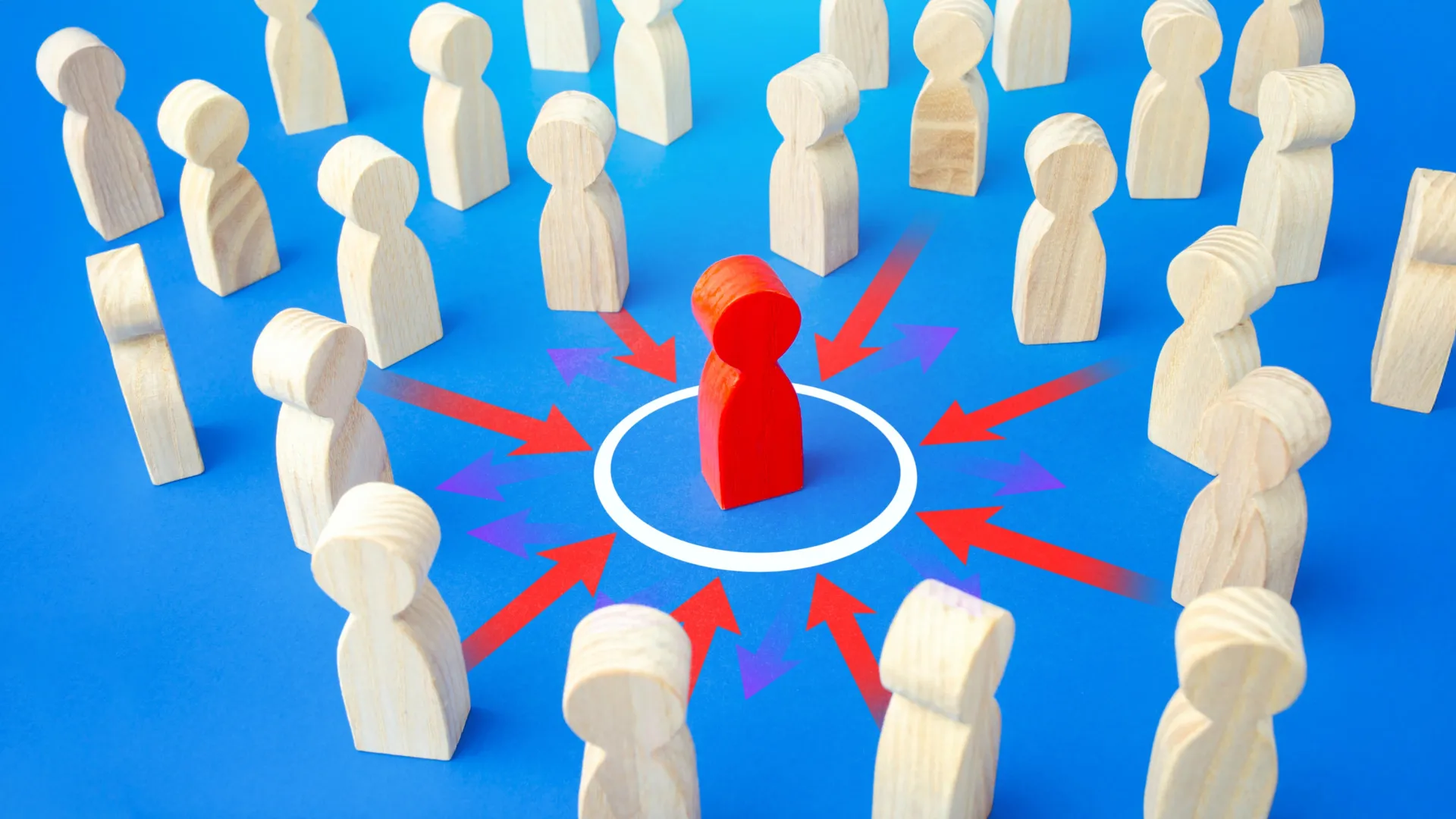
Americans tend to believe that online spaces are far more hostile than they actually are. Many assume that nearly half of people on major platforms regularly post cruel, aggressive, or abusive comments. In reality, truly severe online toxicity is much rarer. One striking example is Reddit, where Americans estimate that 43% of users post highly toxic comments, even though research shows the real figure is closer to just 3%. This gap between perception and reality can quietly fuel a broader sense of pessimism about other people and about society as a whole.
To better understand this disconnect, researchers Angela Y. Lee, Eric Neumann, and their colleagues surveyed 1,090 American adults using the online research platform CloudResearch Connect. The goal was to compare what people believe about harmful online behavior with actual data collected in previous large-scale studies of social media platforms.
The results showed that people dramatically overestimate how common toxic behavior is. On Reddit, participants believed toxic commenters were 13 times more common than they truly are. A similar pattern appeared on Facebook. Participants guessed that 47% of users share false or misleading news stories, even though existing research suggests the real number is about 8.5%. In other words, people assume that misinformation and harmful content dominate social media feeds far more than they actually do.
Recognizing Toxic Content Does Not Fix the Misbelief
Interestingly, this inflated perception was not simply due to confusion about what counts as toxic content. In a signal detection task, a type of psychological test used to measure how accurately people can identify specific signals amid noise, many participants correctly recognized examples of toxic online posts. Even so, they still believed that a large share of users regularly produce such content.
This suggests that the problem is not an inability to spot harmful behavior, but a mistaken belief about how widespread it is. People may remember extreme posts more vividly or encounter them more often because social media algorithms amplify attention grabbing content, leading them to assume that such behavior is the norm.
How Correcting the Misperception Changes Attitudes
The researchers also tested whether changing these beliefs could influence how people feel about society. In an experiment, participants were shown accurate information about how rare severe online toxicity actually is. Afterward, many reported feeling more optimistic and less concerned that society is in moral decline. They were also less likely to believe that most Americans are comfortable with harmful or aggressive online behavior.
According to the authors, people often confuse a very small but extremely vocal group of users with the majority. A limited number of highly active accounts produce most toxic and harmful content, creating the illusion that it reflects widespread attitudes. Recognizing this distinction may help reduce the negative emotional effects associated with social media and could improve social cohesion by reminding people that most users are not behaving badly online.
Story Source:
Materials provided by PNAS Nexus. Note: Content may be edited for style and length.
Journal Reference:
- Angela Y Lee, Eric Neumann, Jamil Zaki, Jeffrey Hancock. Americans overestimate how many social media users post harmful content. PNAS Nexus, Volume 4, Issue 12, December 2025 DOI: 10.1093/pnasnexus/pgaf310
Cite This Page: