
Popular anti-aging drug combo caused severe brain damage in mice
A trendy anti-aging drug cocktail stunned researchers by triggering brain damage in mice.
- Date:
- May 27, 2026
- Source:
- University of Connecticut
- Summary:
- A drug combo widely explored for anti-aging may actually damage the brain, according to new mouse research showing severe loss of myelin and changes linked to “chemo brain.” Surprisingly, the damaged cells resembled those seen in multiple sclerosis, giving scientists a new lead in understanding—and potentially repairing—the disease.
- Share:
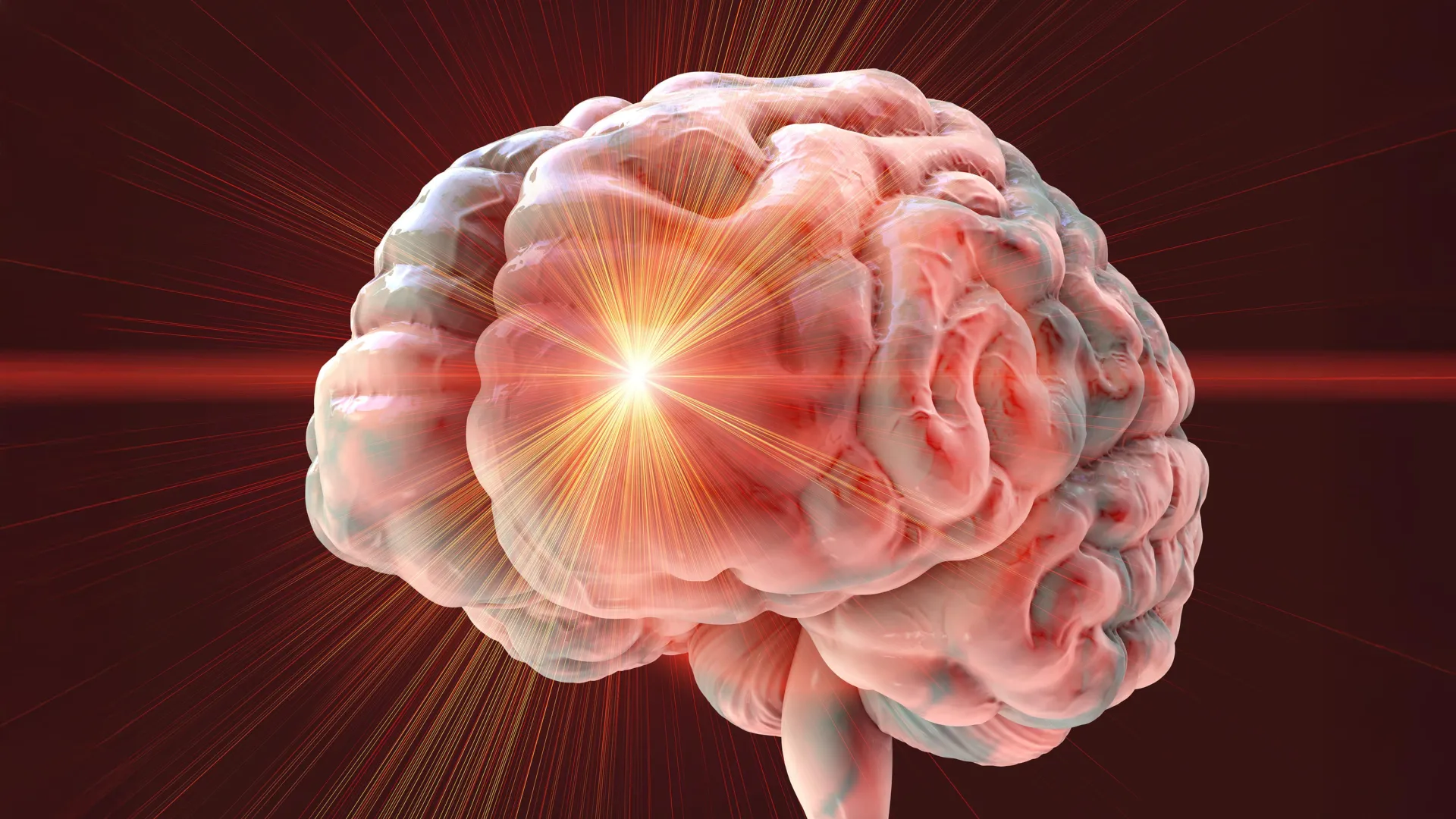
A drug combination widely studied for its anti-aging potential may have a serious downside. Researchers at the University of Connecticut report that the treatment caused significant brain damage in mice, raising concerns about its growing use in longevity research and off-label anti-aging therapies.
The findings, published in PNAS, showed that the drug pairing dasatinib+quercetin (D+Q) damaged myelin, the protective coating that surrounds nerve fibers and helps electrical signals travel efficiently through the brain and body.
"When you administer this cocktail to an animal, young or old, the myelin is damaged, which makes it disappear. Even worse in the young animals" than in the aged ones, says UConn School of Medicine immunologist Stephen Crocker.
Myelin loss can lead to numbness, pain, difficulty walking, and problems with memory and thinking. Damage to myelin is also a defining feature of multiple sclerosis.
Anti-Aging Drugs and Brain Health Concerns
D+Q has become one of the most popular drug combinations in anti-aging research. Scientists have investigated it for its ability to remove aged cells that contribute to inflammation and age-related disease. The treatment is currently being explored for conditions including type II diabetes and Alzheimer's disease.
Outside clinical settings, some people interested in longevity have also experimented with the drugs on their own, despite warnings from medical professionals. However, very little research has examined how the combination affects the brain.
Researchers Evan Lombardo '23 (CLAS), now a neuroscience graduate student at Dartmouth, and Robert Pijewski '21 Ph.D., currently at Anna Maria College, wanted to see whether D+Q might help repair brain damage associated with multiple sclerosis.
To test the idea, the team treated both young mice (6 to 9 months old) and older mice (22 months old) with the drug combination. They also studied oligodendrocytes grown in laboratory dishes. These specialized brain cells are responsible for producing and maintaining myelin.
Severe Myelin Loss and "Chemo Brain" Effects
The results surprised the researchers.
Healthy mice normally show thick myelin layers surrounding nerve fibers in the brain. In the treated mice, those protective layers were dramatically reduced after exposure to D+Q. Younger mice experienced even greater damage than older animals.
The researchers also found that the corpus callosum, a major structure that connects the two halves of the brain and supports many critical functions, had deteriorated in mice receiving the treatment. Similar damage is sometimes seen in people undergoing chemotherapy and is associated with symptoms often described as "chemo brain."
Brain Cells Reverted to an Immature State
When scientists examined the damaged tissue more closely, they discovered that the oligodendrocytes had not died. Instead, the cells appeared to regress into a more juvenile form.
The team also observed abnormal metabolism inside the cells.
"We suspect the drugs are choking off energy the cells need, and the cells respond by reducing complexity, reverting to a younger state, but less functional," Crocker says.
Interestingly, the altered cells closely resembled a distinct population of cells previously identified in people with multiple sclerosis. The researchers believe this could provide important clues about how the disease develops.
New Clues About Multiple Sclerosis
The findings suggest that in multiple sclerosis, myelin-producing cells may come under stress and revert to a younger, less functional state instead of dying completely. If true, that could mean the cells still have the potential to recover.
Researchers are now investigating whether those damaged cells can be restored and encouraged to repair the brain.
"If we can mimic this, we have an amazing opportunity to see if the cells can recover and repair the brain," Crocker says.
Story Source:
Materials provided by University of Connecticut. Note: Content may be edited for style and length.
Journal Reference:
- Evan R. Lombardo, Robert S. Pijewski, Jake T. Lustig, Zaenab Dhari, Anirudhya Lahiri, Lucille E. Papile, Erica R. Lavoie, Vanessa M. Scanlon, Jenna M. Bartley, Stephen J. Crocker. Senolytic treatment induces oligodendrocyte dysfunction and demyelination in the corpus callosum. Proceedings of the National Academy of Sciences, 2026; 123 (12) DOI: 10.1073/pnas.2524897123
Cite This Page: