
One in three people carry this brain parasite but the body has a kill switch
- Date:
- February 16, 2026
- Source:
- University of Virginia Health System
- Summary:
- A parasite that may already be hiding in your brain has a shocking survival trick: it can infect the very immune cells sent to destroy it. Yet most people never get sick, and new research from UVA Health reveals why. Scientists discovered that when Toxoplasma gondii invades CD8+ T cells — key defenders of the immune system — those cells can trigger a self-destruct mechanism powered by an enzyme called caspase-8. By sacrificing themselves, the infected cells also wipe out the parasite inside them.
- Share:
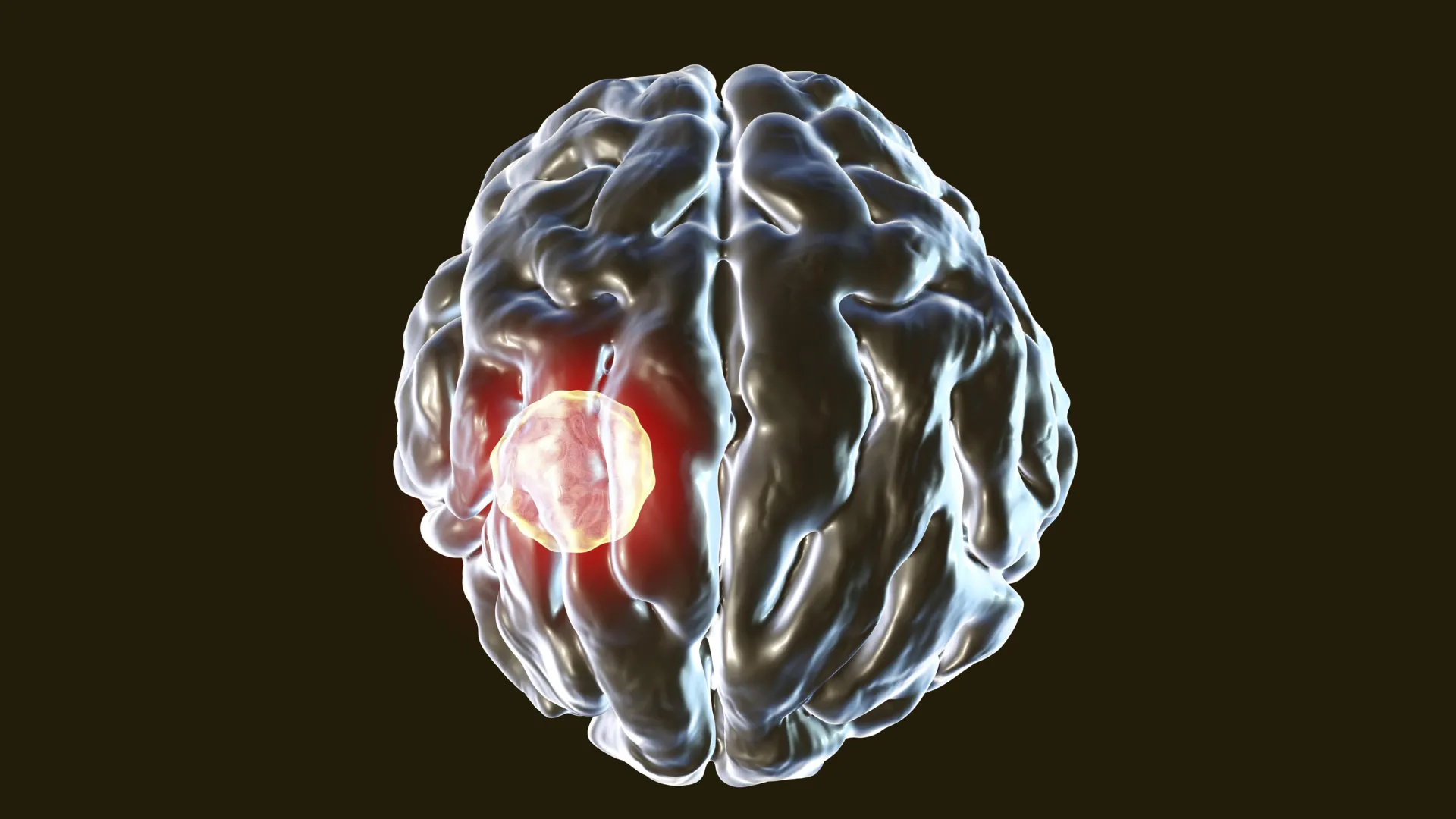
A parasite that may already be living in your brain has the ability to infect the very immune cells designed to eliminate it. New research from UVA Health explains how the body still manages to keep this infection under control.
Toxoplasma gondii is a potentially dangerous parasite that infects warm blooded animals. People are most often exposed through contact with cats, contaminated fruits or vegetables, or undercooked meat. After entering the body, the parasite can spread to multiple organs and eventually settle in the brain, where it can remain for life. Roughly one third of the global population is believed to carry Toxoplasma, yet most people never develop symptoms. When illness does occur, known as toxoplasmosis, it is most serious in individuals with weakened immune systems.
Researchers led by Tajie Harris, PhD, set out to understand how the immune system responds when Toxoplasma invades CD8+ T cells, which are specialized immune cells responsible for killing infected cells.
"We know that T cells are really important for combatting Toxoplasma gondii, and we thought we knew all the reasons why. T cells can destroy infected cells or cue other cells to destroy the parasite. We found that these very T cells can get infected, and, if they do, they can opt to die. Toxoplasma parasites need to live inside cells, so the host cell dying is game over for the parasite," said Harris, the director of the Center for Brain Immunology and Glia (BIG Center) at the University of Virginia School of Medicine. "Understanding how the immune system fights Toxoplasma is important for several reasons. People with compromised immune systems are vulnerable to this infection, and now we have a better understanding of why and how we can help patients fight this infection."
Caspase-8 and the Self-Destruct Defense
Harris and her team discovered that CD8+ T cells rely on a powerful enzyme called caspase-8 to control T. gondii. Caspase-8 plays a central role in regulating immune responses and can trigger a process that causes a cell to self-destruct.
In laboratory experiments, mice that lacked caspase-8 in their T cells developed far higher levels of T. gondii in their brains compared to mice whose T cells produced the enzyme. This happened even though both groups mounted strong immune responses against the infection.
The difference in outcomes was striking. Mice with caspase-8 remained healthy, while those without it became severely ill and died. Examination of their brain tissue showed that their CD8+ T cells were much more likely to be infected by the parasite.
These findings indicate that caspase-8 plays a crucial role in limiting T. gondii inside T cells. The results also add to growing evidence that this enzyme is broadly important in helping the body control infectious threats.
"We scoured the scientific literature to find examples of pathogens infecting T cells. We found very few examples," said Harris, part of UVA's Department of Neuroscience. "Now, we think we know why. Caspase-8 leads to T cell death. The only pathogens that can live in CD8+ T cells have developed ways to mess with Caspase-8 function. Prior to our study, we had no idea that Caspase-8 was so important for protecting the brain from Toxoplasma."
Study Details and Funding
The findings were published in the journal Science Advances. The research team included Lydia A. Sibley, Maureen N. Cowan, Abigail G. Kelly, NaaDedee A. Amadi, Isaac W. Babcock, Sydney A. Labuzan, Michael A. Kovacs, Samantha J. Batista, John R. Lukens and Harris. The scientists reported no financial conflicts of interest.
Funding for the research came from the National Institutes of Health, grants R01NS112516, R01NS134747, R21NS12855, T32GM008715, T32AI007496, T32AI007046, T32NS115657, F30AI154740, T32AI007496 and T32GM007267; a University of Virginia Pinn Scholars Award; a UVA Shannon Fellowship; and UVA's Strategic Investment Fund.
Story Source:
Materials provided by University of Virginia Health System. Note: Content may be edited for style and length.
Journal Reference:
- Lydia A. Sibley, Maureen N. Cowan, Abigail G. Kelly, NaaDedee A. Amadi, Isaac W. Babcock, Sydney A. Labuzan, Michael A. Kovacs, Samantha J. Batista, John R. Lukens, Tajie H. Harris. Caspase-8 expression in CD8 T cells promotes pathogen restriction in the brain during Toxoplasma gondii infection. Science Advances, 2025; 11 (50) DOI: 10.1126/sciadv.adz4468
Cite This Page: