
Your aging brain may be trading memory for something more valuable
- Date:
- October 20, 2026
- Source:
- Association for Psychological Science
- Summary:
- The aging brain may be undergoing a remarkable transformation rather than simply losing its abilities, shifting its focus from remembering details to understanding the bigger picture. Scientists suggest this change could be an evolutionary adaptation that helps older adults develop wisdom and share decades of knowledge with younger generations.
- Share:
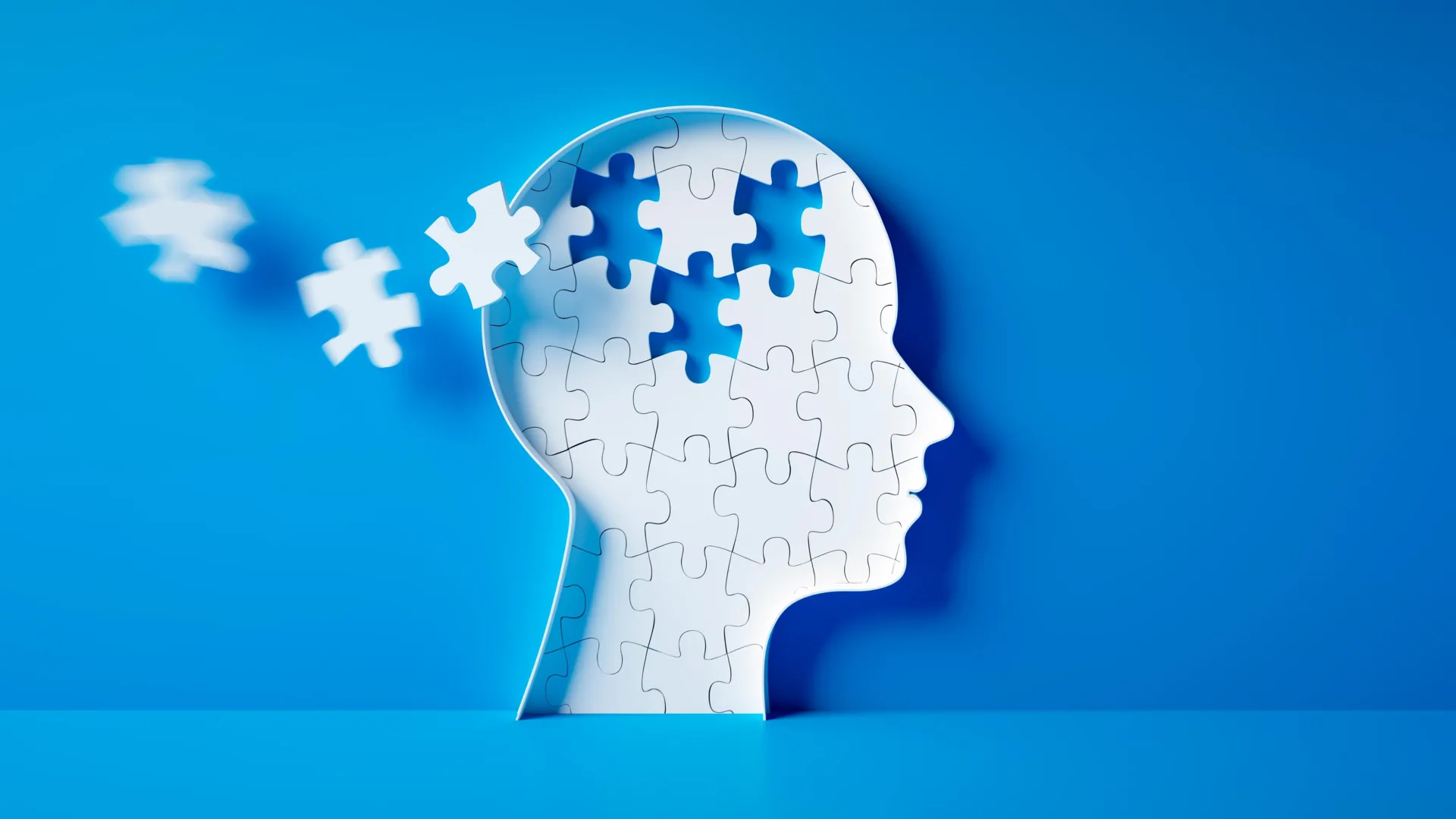
Growing older is often associated with memory loss and declining mental abilities. However, scientists are questioning whether these changes tell the whole story. Rather than simply becoming less capable, the brain may be adapting to a new stage of life in which accumulated knowledge, wisdom, and understanding become more important than remembering every detail.
Researchers at the University of Arizona have proposed a different way of understanding cognitive aging. Drawing on findings from molecular biology and brain imaging, they suggest that the changes occurring in older brains may reflect a natural stage of human development rather than deterioration alone. Their work, published in Perspectives on Psychological Science, offers a new perspective on why thinking and memory change with age.
The researchers call their proposed explanation the adaptive aging hypothesis. It suggests that the brain gradually adjusts its priorities to make better use of a lifetime of accumulated experience. This could help explain why older adults often have valuable strengths in teaching, mentoring, storytelling, and passing knowledge to younger generations.
"If we look at normative aging as a story of just decline, we are really missing the boat," said study coauthor Fabian-Xosé Fernandez, an associate professor of cognition and neural systems at the University of Arizona. "The older brain is optimized for different things than the younger brain, predominantly the sharing of stored expertise and social relationships."
How the Brain Shifts From Memory to Meaning
Two brain regions play important roles in how people remember and interpret their experiences. The hippocampus helps preserve specific information about events, including their details and circumstances. The frontal cortex, meanwhile, is more involved in extracting broader meaning, recognizing patterns, and understanding the central message of an experience, sometimes called its "gist."
According to the researchers, the balance between these systems changes during healthy aging. As people grow older, the brain tends to place less emphasis on activity in the hippocampus and rely more on the frontal cortex. This shift may allow the brain to focus more on interpreting information through existing knowledge rather than recording every new experience in precise detail.
"The fact that you see this across people and animal models suggests there is an evolutionary driving force," Fernandez said. "One could argue you are developing your entire life, and development occurs in lockstep with the needs of your brain. When you're younger, the hippocampus turns on because you don't have a knowledge base or know how the world works. A kid absorbs information like a sponge because they are building an archive of information. In early life, the balance is tilted toward recollecting declarative memories with precision, detail, and context."
Young brains need to gather enormous amounts of new information because they are still building a foundation for understanding the world. By later adulthood, however, people have already developed extensive stores of memories, concepts, and experiences. Connecting new information to what they already know may become more useful than retaining every individual detail.
The researchers suggest that this changing balance reflects a shift in how the brain processes experience. Instead of concentrating primarily on collecting detailed memories, it increasingly emphasizes understanding relationships, identifying underlying meaning, and applying previously acquired knowledge.
Why Evolution May Favor Wisdom in Older Adults
Evidence of similar changes in animal models raises the possibility that this transition has an evolutionary explanation. Fernandez suggests that the aging brain may be adapting to help individuals preserve and share the knowledge they have acquired throughout their lives.
From this perspective, the ability to draw on decades of experience could be especially valuable for making judgments, guiding others, and transferring important information between generations. Older adults may therefore play a distinct role in supporting younger people through mentorship, teaching, and storytelling.
"Given those goals, it makes sense that you aren't interested in nitty-gritty details," Fernandez said. "You are interested in safeguarding the vast knowledge you already have. Evolution may be saying that if you make it long enough, there's a need to transmit this information, so we put into motion biological changes that enforce and protect your semantic and autobiographical memories."
Under this hypothesis, changes in memory and thinking are not necessarily signs that the brain is functioning less effectively. They may instead reflect a different set of priorities, with greater emphasis on preserving meaningful knowledge and using it to understand new situations.
Why Healthy Brain Aging Is Different From Alzheimer's
The adaptive aging hypothesis could also provide scientists with another way to examine the differences between normal cognitive aging and Alzheimer's disease.
Although both involve changes in memory, Fernandez emphasizes that Alzheimer's should not be understood as ordinary aging taken to an extreme. The biological processes involved are fundamentally different.
"When I was in grad school, people thought about Alzheimer's as a more intense version of cognitive aging, but that is just not the case," Fernandez said. "They are completely different."
During typical aging, the brain's gradual shift away from relying heavily on the hippocampus and toward greater involvement of the frontal cortex generally unfolds between the fifth and seventh decades of life. In Alzheimer's disease, however, abnormal processes involving proteins such as amyloid and tau may interfere with this transition.
One important distinction involves activity in the hippocampus. While healthy aging is generally associated with reduced emphasis on this region, Alzheimer's can involve unusually high levels of hippocampal activity. Rather than supporting the normal progression of cognitive development, disease-related changes may disrupt the brain networks responsible for memory and understanding.
"In normative aging, hippocampal activation is deemphasized, which is probably what should be happening in a 70-year-old. But in many cases of Alzheimer's, it turns out the hippocampus is hyperactive," he said. "This beautiful developmental transition is completely disrupted in Alzheimer's disease by pathological processes that mess with episodic memory and interfere with circuits that allow you to think about your own life, lexicon, and vocabulary."
These disruptions can affect the ability to recall personal experiences and access stored knowledge, including words and their meanings. Understanding how these changes differ from the adaptations associated with healthy aging may help researchers develop a clearer picture of normal brain development and neurodegenerative disease.
Embracing the Hidden Strengths of the Aging Brain
The researchers argue that society may need to reconsider what successful brain aging looks like. Encouraging older adults to process information exactly as younger people do may not always be the most productive approach.
Fernandez suggests that placing excessive emphasis on remembering precise details could work against the brain's changing priorities. "For many individuals, the weight of how you process information should probably not be so hippocampal-centric by the sixth or seventh decade."
Instead of judging older adults primarily by abilities that tend to weaken with age, the researchers encourage greater recognition of the capabilities that may become especially valuable later in life.
Creating more opportunities for social interaction could be one way to support these strengths. Relationships between older and younger generations may be particularly beneficial because they provide opportunities to exchange experiences, share expertise, and preserve knowledge that might otherwise be lost.
"People see older individuals and look at them as not being on par with younger individuals across a lot of metrics," Fernandez says. "The way I look at it is that you've got someone with a brain that has been active for several decades and has seen a lot. There is tremendous value there, and we don't do a good job of unlocking it."
The central message of the adaptive aging hypothesis is that growing older may involve more than a gradual reduction in cognitive abilities. Although some mental skills become less reliable with age, the brain may also be adapting to make better use of the knowledge and experience accumulated over a lifetime. Recognizing those strengths could change how society understands aging and the contributions older adults can make.
Story Source:
Materials provided by Association for Psychological Science. Note: Content may be edited for style and length.
Journal Reference:
- Fabian-Xosé Fernandez, Sara N. Burke, Lynn Nadel. Aging as a Continuation of Development: A Hypothesis and Framework. Perspectives on Psychological Science, 2026; DOI: 10.1177/17456916261469175
Cite This Page: