
This tiny nerve may help keep the heart young
A hidden nerve linking the brain and heart may be key to keeping the heart young.
- Date:
- January 1, 2026
- Source:
- Sant’Anna School of Advanced Studies, Pisa
- Summary:
- A new study suggests the vagus nerve may be one of the heart’s most important defenders against aging. Researchers found that keeping this nerve connected to the heart helps protect heart cells and maintain strong pumping ability. Even partial restoration of the nerve was enough to slow harmful changes in heart tissue. The discovery could reshape future heart and transplant surgeries.
- Share:
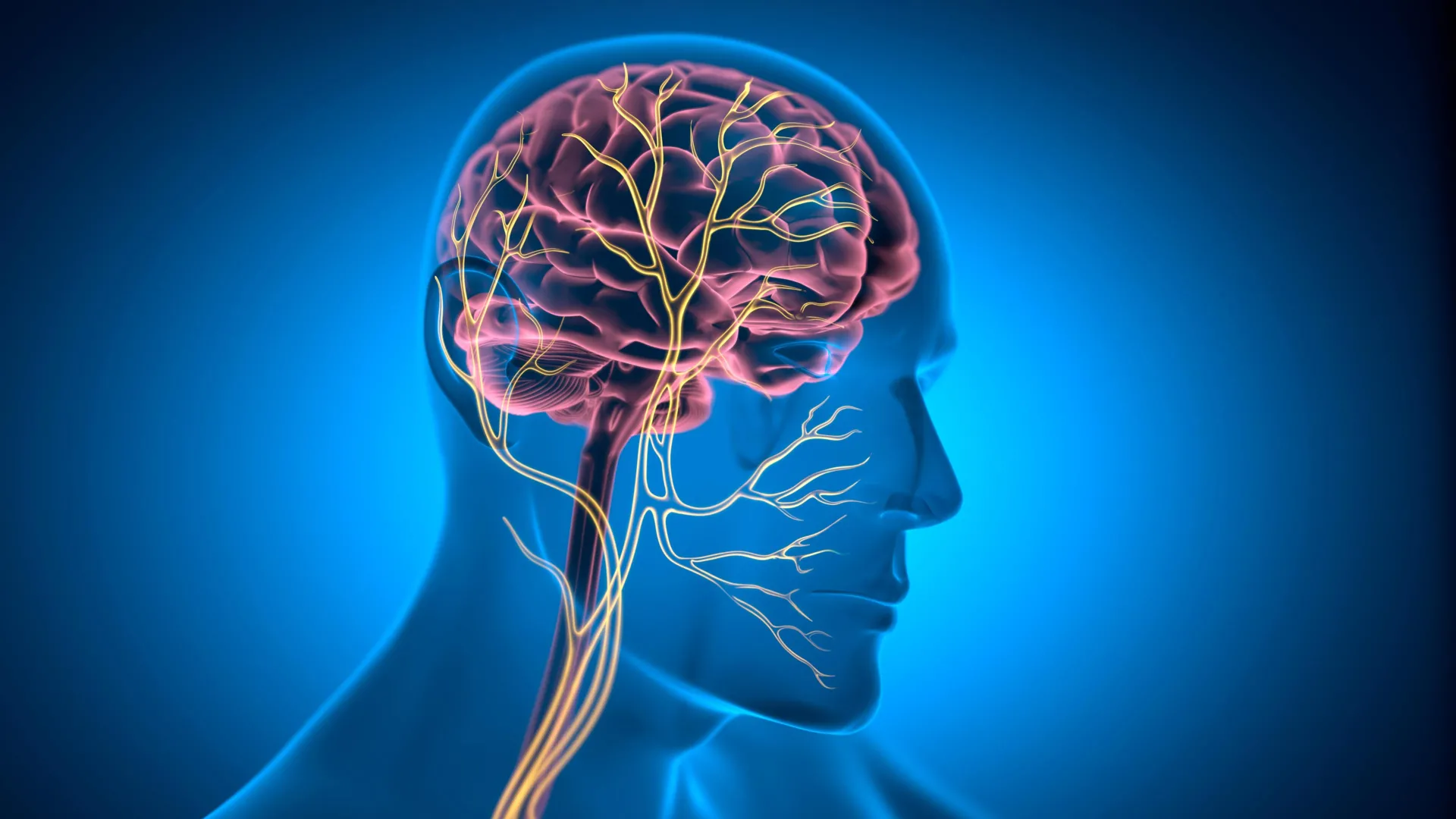
New research suggests that one of the most important keys to a healthier and more youthful heart may be the vagus nerve. A study coordinated by the Sant'Anna School of Advanced Studies in Pisa and published in Science Translational Medicine found that maintaining vagal nerve connections to the heart on both sides helps slow the aging process. The findings highlight the right cardiac vagus nerve in particular, showing that it plays a crucial role in protecting heart muscle cells and supporting long term heart health, regardless of heart rate.
The research relied on close collaboration across multiple scientific disciplines, combining experimental medicine with advanced bioengineering in cardiovascular research. The study was led by the Translational Critical Care Unit (TrancriLab) of the Interdisciplinary Research Center Health Science, under the responsibility of Professor Vincenzo Lionetti. A key contribution also came from the Biorobotics Institute, led by Professor Silvestro Micera, which developed the bioabsorbable nerve conduit used to support regeneration of the vagus nerve.
All experimental work took place in Pisa with funding from the European FET (Future and Emerging Technologies) program through the NeuHeart project, along with partial support from PNRR funds provided by the Tuscany Health Ecosystem. The study brought together a wide network of leading institutions from Italy and abroad. These included the Scuola Normale Superiore, the University of Pisa, the Fondazione Toscana G. Monasterio, the Institute of Clinical Physiology of the CNR, the University of Udine, GVM Care & Research, Al-Farabi Kazakh National University, the Leibniz Institute on Ageing in Jena and the École Polytechnique Fédérale de Lausanne.
Why Losing the Vagus Nerve Connection Matters
"When the integrity of the connection to the vagus nerve is lost, the heart ages more rapidly," explains Professor Lionetti.
The researchers also found that full nerve recovery is not required to see benefits. "Even partial restoration of the connection between the right vagus nerve and the heart is sufficient to counteract the mechanisms of remodelling and preserve effective cardiac contractility," adds Anar Dushpanova, cardiologist at TrancriLab.
Bioengineering a Path to Nerve Regeneration
Bioengineering played a decisive role in enabling these discoveries. "We have developed an implantable bioabsorbable nerve conduit designed to promote and guide the spontaneous regeneration of the thoracic vagus nerve at the cardiac level," explains Eugenio Redolfi Riva, co-author of the neuroprosthesis patent at Biorobotics Institute
Implications for Future Heart and Transplant Surgery
"Taken together, these results open new perspectives for cardiothoracic and transplant surgery, suggesting that restoring cardiac vagal innervation at the time of surgery may represent an innovative strategy for long-term heart protection, shifting the clinical paradigm from managing late complications associated with premature cardiac aging to their prevention," concludes Professor Lionetti.
Story Source:
Materials provided by Sant’Anna School of Advanced Studies, Pisa. Note: Content may be edited for style and length.
Journal Reference:
- Anar Dushpanova, Eugenio Redolfi-Riva, Valentina Casieri, Letizia Brogi, Chrysanthos Grigoratos, Fabio Bernini, Domiziana Terlizzi, Khatia Gabisonia, Ciro Zinno, Filippo Agnesi, Giulia Furini, Lisa Alibrandi, Aurora Paganelli, Valentina Sassu, Alessandro Carrozzo, Sabrina Marchetti, Silvia Burchielli, Jacopo Carpaneto, Micaela Sgorbini, Antonio Paolo Beltrami, Alessandro Cellerino, Giovanni Donato Aquaro, Silvestro Micera, Vincenzo Lionetti. Reconnecting the vagus nerve to the heart through nerve conduit preserves cardiac function in a minipig model of right cardiac vagotomy. Science Translational Medicine, 2025; 17 (830) DOI: 10.1126/scitranslmed.aea4306
Cite This Page: