
This common dinner rule makes meals more awkward
That guilt you feel eating before others? It’s mostly in your head—and your dinner guests probably don’t care.
- Date:
- January 12, 2026
- Source:
- City St George’s, University of London
- Summary:
- Waiting to eat when your food arrives first feels polite—but it may be mostly for your own peace of mind. Researchers found people feel far more uncomfortable breaking the “wait until everyone is served” rule than they expect others would feel watching it happen. Even being told to go ahead doesn’t fully ease the discomfort. Serving everyone at once could reduce awkwardness and make meals more enjoyable.
- Share:
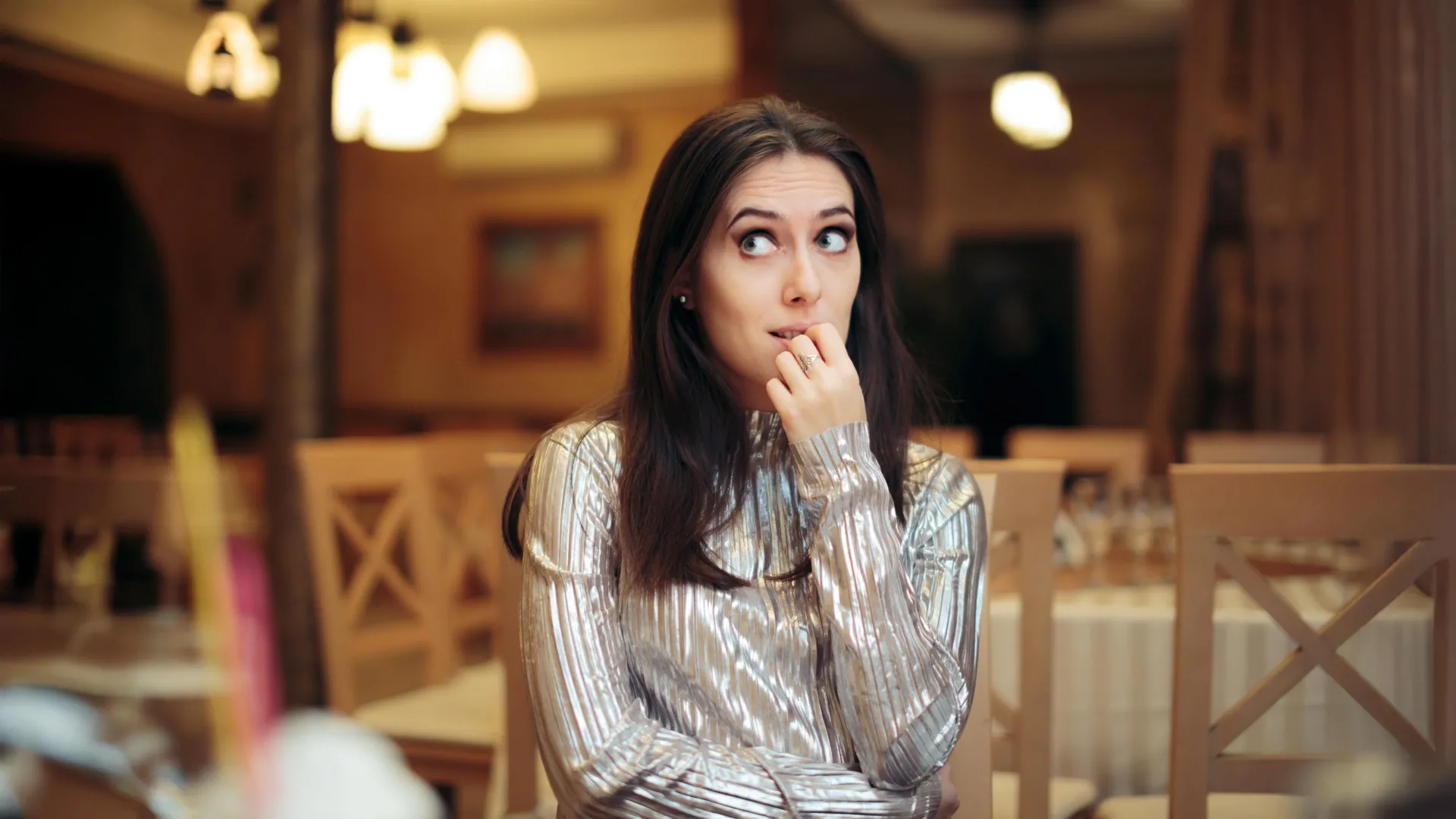
Restaurants and dinner hosts could make meals more enjoyable and cut down on social discomfort by ensuring everyone at the table is served at the same time, according to new research.
Most people recognize the familiar situation at a restaurant or dinner party when one plate arrives early and the person served hesitates to start eating. This widely accepted social rule has now been examined in a study co authored by Bayes Business School. The findings show that people worry far more about breaking the rule themselves than they do about others doing so.
Why Waiting to Eat Feels So Uncomfortable
The research, led by Irene Scopelliti, Professor of Marketing and Behavioural Science, and Janina Steinmetz, Professor of Marketing at Bayes, along with Dr. Anna Paley from the Tilburg School of Economics and Management, explored how people judge their own behavior compared with what they expect from dining companions. The team ran six experiments to examine this difference.
In the studies, participants imagined having a meal with a friend. Some pictured receiving their food first, while others imagined waiting as their companion was served. Those who received food first rated how strongly they felt they should wait or begin eating. Those still waiting were asked what they believed their dining partner should do.
The results revealed a clear self other gap. People who imagined being served first felt a much stronger obligation to wait than their companions expected them to feel.
How People Misjudge Others at the Table
Additional experiments looked at why this mismatch occurs. Participants were asked how they would feel if their companion chose to eat or wait, and how they thought their companion would feel about their own choice. The findings showed that people expected to feel better about waiting themselves and worse about starting to eat if their food arrived first than they believed others would feel in the same situation.
The researchers also tested whether simple interventions could change behavior. These included prompting participants to think about their companion's perspective or telling them that the other diner had clearly invited them to start eating.
Even with these prompts, many participants still felt uncomfortable starting to eat. The researchers suggest this helps explain why people often tell others to go ahead and eat, yet struggle to do so themselves. The findings also suggest restaurants should avoid creating situations where diners are served at noticeably different times.
Why Politeness Often Wins Over Comfort
Professor Steinmetz explained that deciding when to start eating with others is a common social dilemma.
"The decision of when to start eating food in the company of others is a very common dilemma.
"Norm adherence dictates that we wait until all food is served before starting, and disregarding it feels rude and discourteous to us. Surprisingly, this feeling barely changes even when another person explicitly asks us to go ahead. It occurs because people have greater access to their own internal feelings -- such as appearing considerate or avoiding social discomfort -- than to others' psychological experiences.
"In these situations, we should be aware that we're only waiting for our own benefit, and co-diners probably mind far less than we think if we wanted to go ahead and eat.
"People will wait to feel polite, but if the quality of their food is dependent on factors like temperature it may not taste as nice when they finally do start eating."
The Psychology Behind Social Norms
Professor Scopelliti emphasized that the issue goes beyond simple manners.
"This is not just about politeness: it's about psychological access.
"We can feel our own internal discomfort, guilt, and the positive feelings from appearing considerate, but we can't fully access what others are experiencing internally. So, while we might feel genuinely awful about eating before others get their food, we assume others won't feel as strongly about it.
"Results of our study have implications for restaurants and beyond. Any service where people receive food at different times within a group creates similar psychological dynamics. Providers often optimise for efficiency, without realising that some people experience genuine discomfort when they receive service before others in their group.
"The research shows how much we systematically underestimate others' internal emotional experiences, which contributes to broader understanding of social norms and group dynamics."
The study, titled 'Wait or Eat? Self other differences in a commonly held food norm', by Dr. Anna Paley, Professor Irene Scopelliti and Professor Janina Steinmetz, is published in Appetite.
Story Source:
Materials provided by City St George’s, University of London. Note: Content may be edited for style and length.
Journal Reference:
- Anna Paley, Irene Scopelliti, Janina Steinmetz. Wait or Eat? self-other differences in a commonly held food norm. Appetite, 2025; 212: 108021 DOI: 10.1016/j.appet.2025.108021
Cite This Page: