
A 47-year study reveals when fitness and strength start to fade
- Date:
- January 18, 2026
- Source:
- Karolinska Insitutet
- Summary:
- A long-running Swedish study has followed adults for nearly five decades, uncovering when physical decline truly begins. Fitness and strength start slipping around age 35, then worsen gradually with age. The encouraging twist: adults who began exercising later still improved their physical capacity by up to 10 percent. It’s a powerful reminder that staying active matters, even if you start late.
- Share:
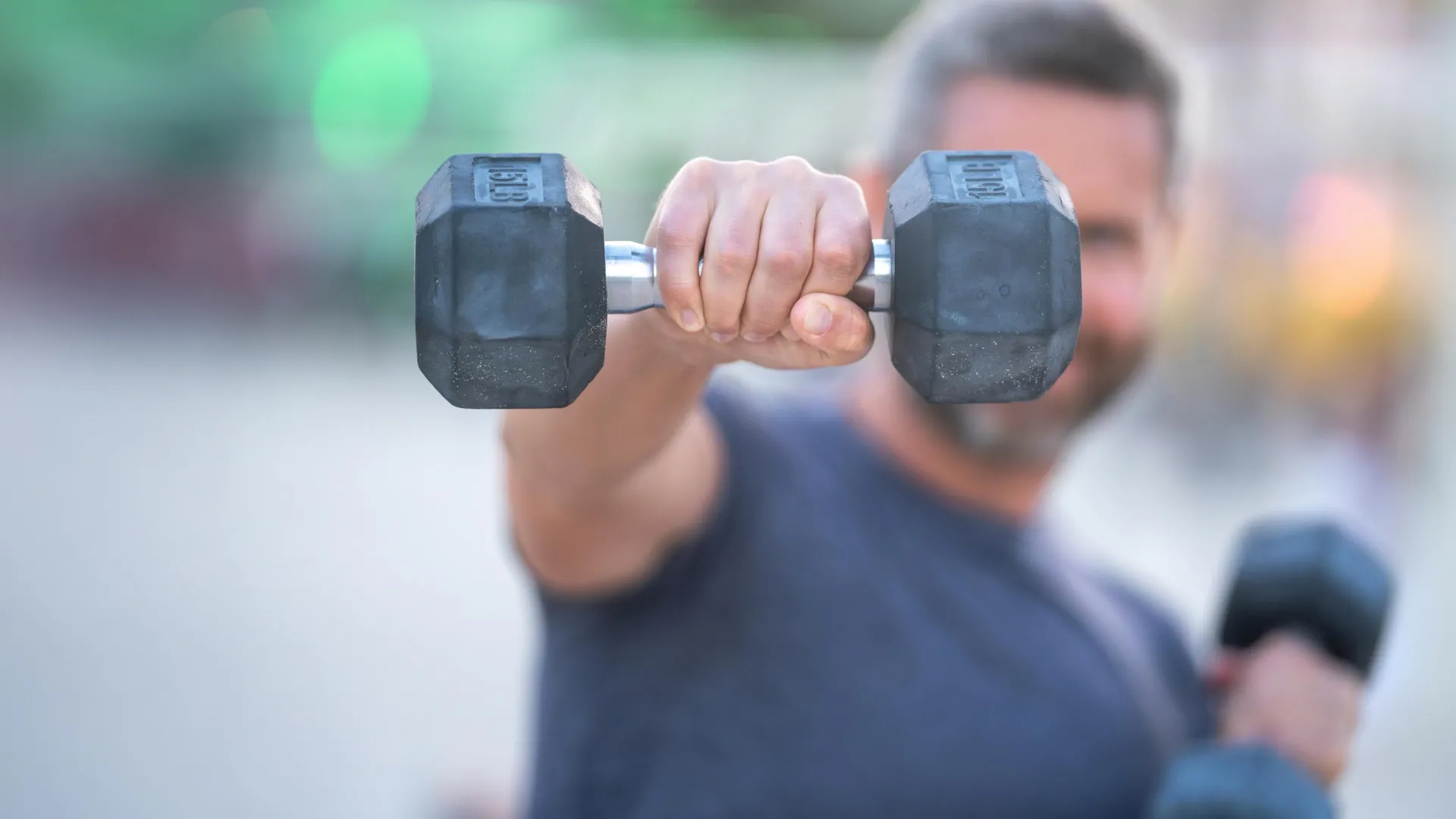
A long-running Swedish study conducted at Karolinska Institutet has followed people for 47 years to examine how fitness, strength, and muscle endurance evolve during adulthood. The findings show that physical performance begins to decline around age 35. At the same time, the research makes it clear that starting to exercise later in life can still bring meaningful benefits.
The research is part of the Swedish Physical Activity and Fitness study (SPAF), which tracked several hundred randomly selected men and women between the ages of 16 and 63. Published in the Journal of Cachexia, Sarcopenia and Muscle, the study offers rare long-term insight into how physical capacity changes over decades rather than snapshots at a single point in time.
Most earlier research in this area relied on cross-sectional data, comparing different age groups rather than following the same individuals. In contrast, the SPAF study repeatedly measured fitness and strength in the same participants across Sweden for nearly half a century, making it one of the most comprehensive efforts of its kind.
Fitness Declines After 35 but Activity Still Helps
The results show that both fitness and strength start to decrease as early as age 35, regardless of how much people trained earlier in life. From that point forward, physical decline continues gradually and tends to speed up with advancing age. Despite this pattern, the researchers found encouraging evidence that exercise remains valuable at any stage. Participants who became physically active during adulthood increased their physical capacity by 5-10 percent.
"It is never too late to start moving. Our study shows that physical activity can slow the decline in performance, even if it cannot completely stop it. Now we will look for the mechanisms behind why everyone reaches their peak performance at age 35 and why physical activity can slow performance loss but not completely halt it," says Maria Westerståhl, lecturer at the Department of Laboratory Medicine and lead author of the study.
What Comes Next for the Study
The research is ongoing. Next year, the participants will be examined again when they reach age 68. The team hopes to better understand how changes in physical performance are connected to lifestyle choices, overall health, and underlying biological processes.
Story Source:
Materials provided by Karolinska Insitutet. Note: Content may be edited for style and length.
Journal Reference:
- Maria Westerståhl, Gustav Jörnåker, Eva Jansson, Ulrika Aasa, Michael Ingre, Kaveh Pourhamidi, Brun Ulfhake, Thomas Gustafsson. Rise and Fall of Physical Capacity in a General Population: A 47‐Year Longitudinal Study. Journal of Cachexia, Sarcopenia and Muscle, 2025; 16 (6) DOI: 10.1002/jcsm.70134
Cite This Page: