
Cialis linked to higher glaucoma risk in large study
- Date:
- September 7, 2026
- Source:
- BMJ Group
- Summary:
- A large study of nearly 74,000 men suggests that long-term use of tadalafil, best known as Cialis, may be linked to a higher risk of glaucoma and other eye pressure problems. Men prescribed the drug for urinary symptoms caused by an enlarged prostate were 22% more likely to develop glaucoma, 32% more likely to develop ocular hypertension, and 33% more likely to be diagnosed with primary open-angle glaucoma or start glaucoma treatment over five years.
- Share:
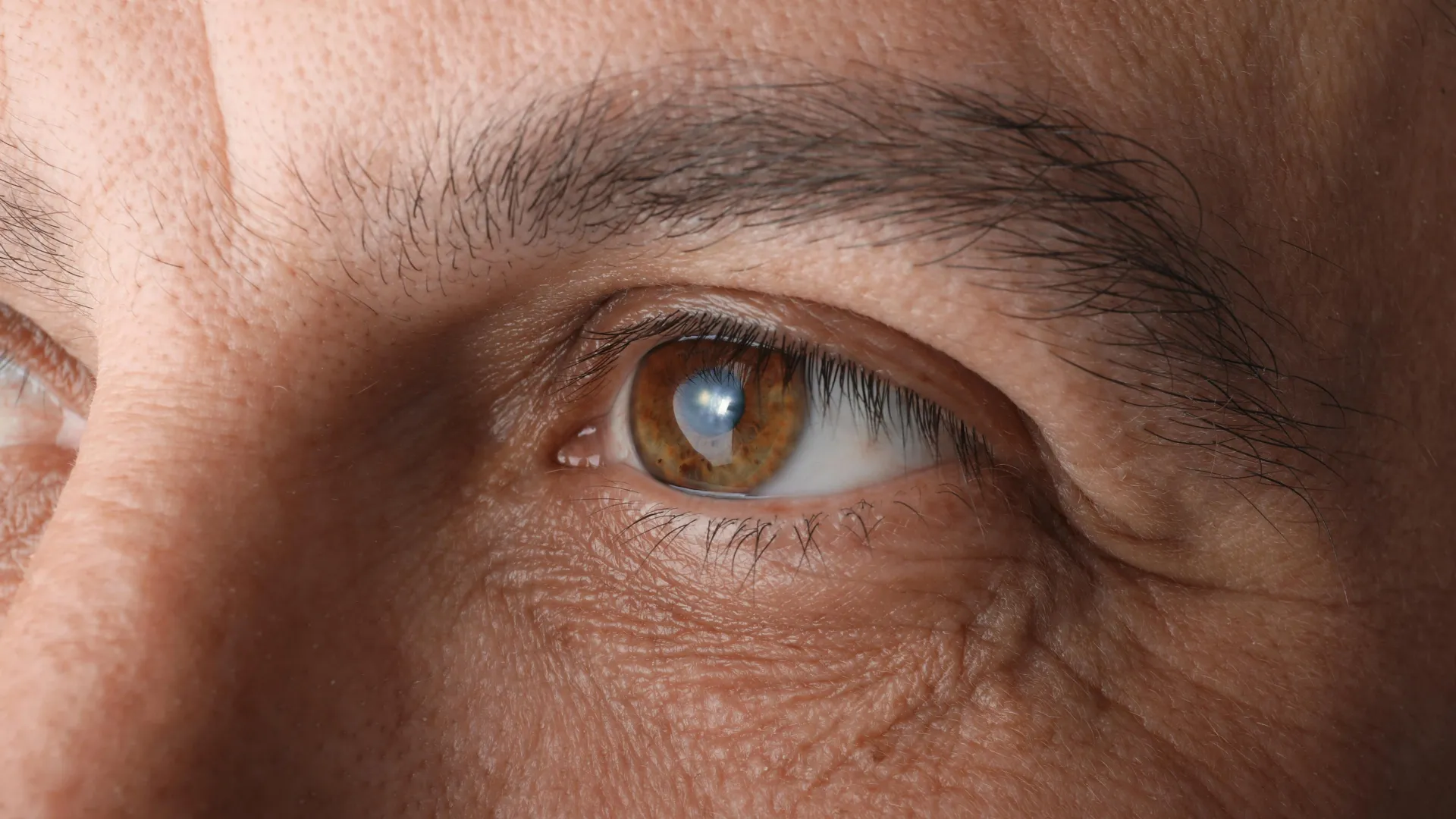
A widely used erectile dysfunction medication may be associated with a greater risk of glaucoma when taken long-term to relieve urinary symptoms caused by an enlarged prostate, according to a large comparative study published online in the British Journal of Ophthalmology.
The findings suggest that men who use tadalafil (Cialis) over extended periods for these symptoms may benefit from closer monitoring of their eye health. Researchers say this may be especially important for people who already have glaucoma risk factors, including a family history of the disease or elevated pressure within the eye (ocular hypertension).
Tadalafil and Eye Health
Tadalafil belongs to a group of medications known as phosphodiesterase type 5 inhibitors (PDE5i), the same drug class that includes sildenafil (Viagra). These medications are widely used for erectile dysfunction, while tadalafil is also prescribed for urinary problems associated with an enlarged prostate.
Previous research has connected PDE5i medications with several types of eye problems, including disorders involving the optic nerve and the macula, which is the area of the retina responsible for detailed central vision.
However, researchers say the evidence surrounding glaucoma has remained inconsistent. In particular, relatively little is known about glaucoma risk when tadalafil is used for lower urinary tract symptoms, a treatment that commonly involves taking the medication every day over a long period.
To investigate this question more closely, the researchers examined whether tadalafil, a long-acting PDE5i, was associated with an increased risk of glaucoma when prescribed for urinary tract symptoms related to an enlarged prostate (benign prostatic hyperplasia).
Nearly 74,000 Men Included in the Study
The team analyzed anonymized health information from 73,854 men aged 40 or older in the TriNetX Analytics Network (Global Collaborative Network). Half had been prescribed tadalafil or another PDE5i for up to 5 years (between January 2012 and December 2022) to manage their symptoms, while the other half had not received these medications.
Researchers then compared the two groups to determine how often participants developed glaucoma or ocular hypertension and how frequently they began treatment for glaucoma after 5 years.
To make the comparison more meaningful, men in the two groups were matched according to a range of factors that could potentially influence the results. These included age, ethnicity, smoking, alcohol related disorders, prescribed medications, and underlying health conditions such as cardiovascular disease, diabetes, cancer, high cholesterol, kidney function, obesity, and chronic obstructive pulmonary disease (COPD).
Glaucoma Risk Was 22% Higher
The analysis found that men prescribed tadalafil were significantly (22%) more likely to develop glaucoma than men who had not received the medication.
They were also more likely to develop several related conditions. Ocular hypertension was 32% more common, while primary open-angle glaucoma, the most common form of glaucoma, was 33% more likely. Men prescribed tadalafil were also 33% more likely to begin glaucoma treatment.
Additional analyses showed that the associations remained among men who developed glaucoma within 1, 3, or 6 months after beginning tadalafil treatment.
The same pattern was consistently seen among patients aged 50+, White participants, and people with several of the underlying medical conditions considered in the analysis.
Study Cannot Prove Cialis Causes Glaucoma
The researchers caution that the findings do not establish that tadalafil directly causes glaucoma. Because this was an observational study, it can identify associations but cannot determine cause and effect.
There were also several limitations. For example, the researchers could not account for changes in medication prescriptions or actual medication use over time, nor could they fully track the development of additional underlying health conditions during the study period.
Most participants were White, which means the findings may not necessarily apply to men from other ethnic backgrounds.
Even so, the researchers say the results warrant further investigation into how long-term PDE5i use might affect the eyes.
They write: "These findings suggest that chronic PDE5 inhibition may influence ocular physiology, warranting further mechanistic investigation."
Researchers Recommend Eye Monitoring for Higher Risk Patients
Importantly, the researchers are not advising patients to stop using tadalafil. Instead, they suggest that people taking the medication for extended periods may need appropriate eye screening and follow-up, particularly when other glaucoma risk factors are already present.
They emphasize: "These findings do not contraindicate tadalafil use but highlight the importance of baseline ophthalmic assessment and regular follow-up, particularly in patients with pre-existing glaucoma, ocular hypertension, a family history of glaucoma, high myopia [short-sightedness], or those requiring long-term therapy."
Story Source:
Materials provided by BMJ Group. Note: Content may be edited for style and length.
Journal Reference:
- Yun Hsia, Chien-Yun Tsai, Sheng-Chun Hung, Jun-Peng Chen, Ssu-Yu Pan, Hui-Ju Lin, I-Jong Wang, Chien-Hsiang Weng, Mi-Hyun Nam, Chien-Chih Chou. Risk of glaucoma among patients using tadalafil for lower urinary tract symptoms: a multinational cohort study. British Journal of Ophthalmology, 2026; bjo-2026-329957 DOI: 10.1136/bjo-2026-329957
Cite This Page: