
Too much light at night may quietly reshape your heart
- Date:
- September 11, 2026
- Source:
- European Society of Cardiology
- Summary:
- Nighttime light exposure was linked to thicker, stiffer heart chambers and early signs of reduced heart function in a study of more than 11,000 people. The findings suggest that keeping bedrooms darker could be an overlooked strategy for protecting the heart.
- Share:
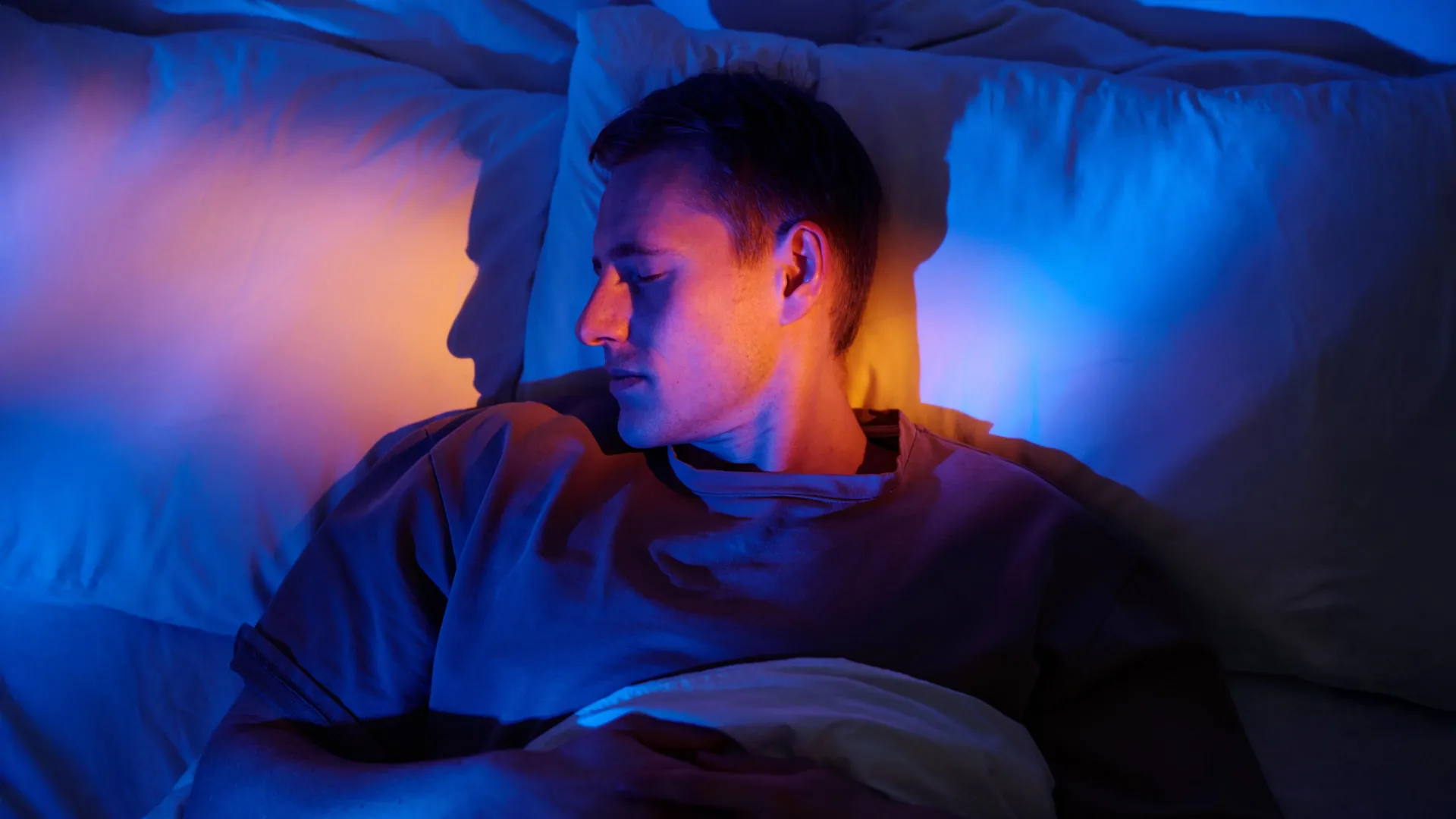
A study involving more than 11,000 people has found that exposure to light at night is associated with potentially harmful changes in both the structure and function of the heart. The findings were published September 9 in the European Heart Journal.
The research was led by Professor Lu Qi of Tulane University, New Orleans, USA. He said: "Previous observational studies have linked nighttime light exposure with a higher risk of cardiovascular disease, but little is known about the related cardiac structure and functional changes. We carried out this research to find out what happens to the heart over time when people are exposed to too much light at nighttime."
Tracking Nighttime Light Exposure
The study included 11,071 participants from the UK Biobank. Each person wore a light sensor on their wrist for seven days, allowing researchers to measure how much light they were exposed to during the night.
Three years later, the participants underwent cardiac MRI scans. These detailed images allowed scientists to examine the structure of the heart as well as how effectively it was functioning.
The researchers then compared participants who experienced nighttime light levels above three lux with those who were exposed to almost no light at night.
Changes Found Inside the Heart
People exposed to higher levels of nighttime light showed thickening in the wall of the left ventricle (one of the chambers of the heart). As the wall became thicker, the amount of space inside the chamber was reduced.
The scans also revealed signs that the heart muscle was less able to flex normally during each heartbeat. Reduced flexibility can be an early sign that the heart is beginning to function less effectively. Changes were also detected in the right ventricles and left atria (two other chambers of the heart).
Professor Qi said: "This is the first study of its kind, and it shows that exposure to higher levels of light at nighttime is linked to cardiac remodeling. This is where the structure and function of the heart changes, and we typically see it in response to chronic stress or injury to the heart. It's our body's way of adapting to that stress, but ultimately it weakens the heart and can lead to heart failure.
"Light pollution has emerged as a new risk factor for cardiovascular disease. Our findings, together with evidence from other studies, suggest that reduction of nighttime light exposure should be considered as one of the potential strategies for preventing heart disease by clinicians and policy makers."
Could Darker Bedrooms Help Protect the Heart?
The findings were accompanied by an editorial from Professor Thomas Münzel of University Medical Center Mainz, Germany, and colleagues. They argued that doctors may need to pay more attention to how much light their patients encounter at night, particularly among people already dealing with certain heart conditions.
They said: "It is time for clinicians, particularly those managing patients with heart failure or atrial fibrillation, to start asking about the sleep environment: how dark the bedroom is, whether the patient works night shifts, and how much screen use occurs after sunset. The advice is simple and inexpensive: blackout curtains, warm-coloured bedside lighting, and covering the small standby LEDs on household electronics. From a public health perspective, the implications are larger still. Light pollution is one of the few environmental hazards that cities can control directly and affordably. Shielded fixtures, warm-spectrum bulbs, and dimming or motion-activated streetlights are already available, energy-efficient, and climate-friendly.
"Ultimately, this study is more than an interesting observation. It provides a crucial link between what satellites already show us, i.e. a planet glowing ever brighter at night, and the clinical reality unfolding inside our chests: hearts that are becoming stiffer, weaker, and less efficient. The relationship is biologically coherent, the effect sizes are clinically meaningful, and the dose-response is unambiguous: more light, worse outcomes. The takeaway is clear, darkness deserves recognition as a vital sign, as essential to cardiovascular health as blood pressure control and clean air."
Story Source:
Materials provided by European Society of Cardiology. Note: Content may be edited for style and length.
Journal References:
- Jin Dai, Wen Dai, Yoriko Heianza, Lu Qi. Nighttime light exposure and cardiac structure and function. European Heart Journal, 2026; DOI: 10.1093/eurheartj/ehag563
- Thomas Münzel, Marin Kuntic, Andreas Daiber. The dark night as a cardiovascular vital sign: personal light exposure, subclinical cardiac remodelling, and the urban exposome. European Heart Journal, 2026; DOI: 10.1093/eurheartj/ehag650
Cite This Page: