
Long COVID may be fueled by inflammation and tiny clots
- Date:
- January 8, 2026
- Source:
- Higher Education Press
- Summary:
- Long COVID affects an estimated 65 million people worldwide and can damage the brain, heart, blood vessels, and immune system long after infection. Researchers now link symptoms to lingering virus, inflammation, micro-clots, and disrupted energy metabolism. While structured rehab and pacing can improve quality of life, a growing list of experimental treatments—from antivirals and metformin to microbiome therapies and biologics—shows early promise. Clear answers, however, are still limited by small studies and the lack of large, definitive trials.
- Share:
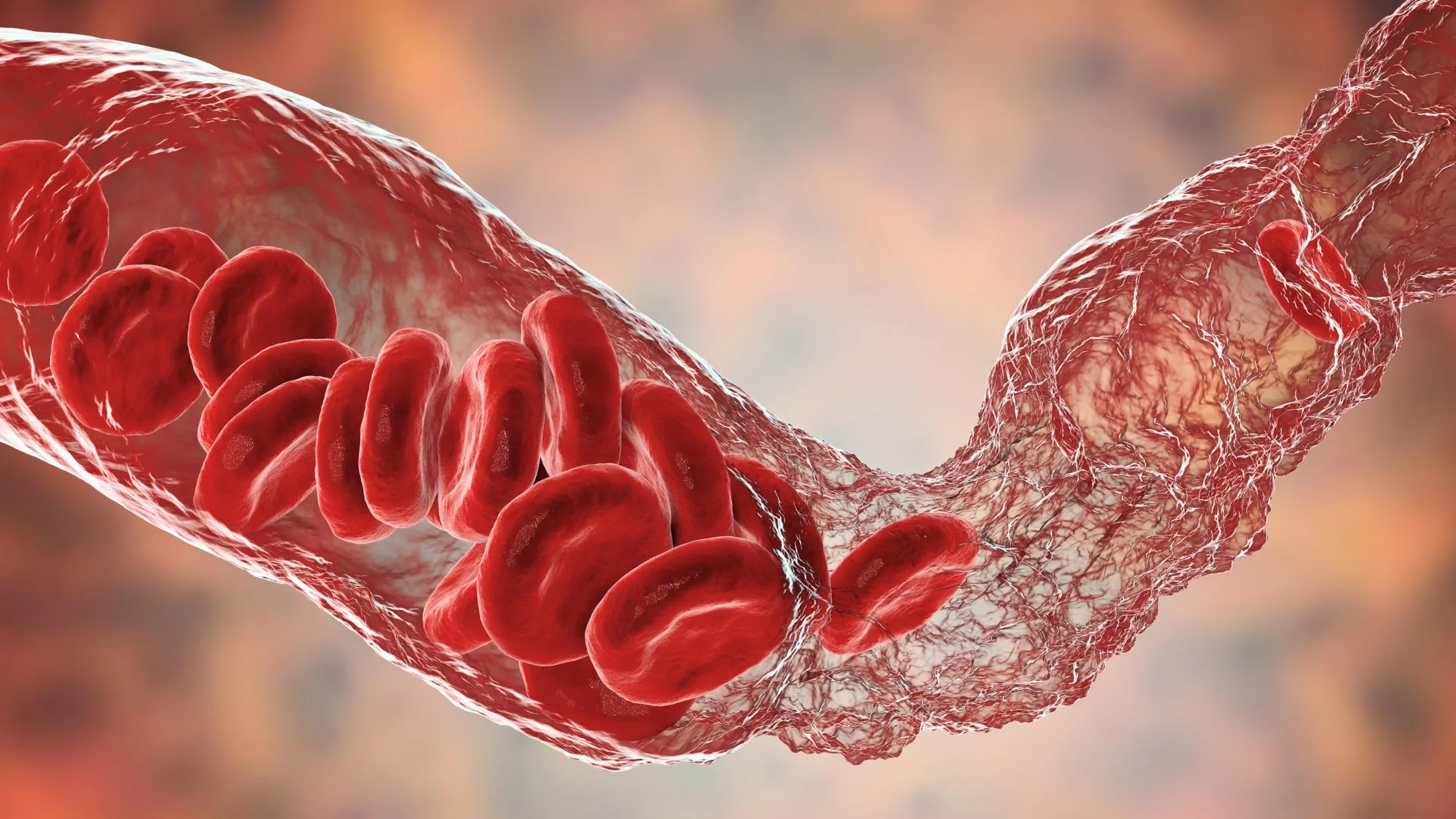
Long COVID is defined as symptoms that last at least two months after an initial SARS-CoV-2 infection, with no other clear medical explanation. An estimated 65 million people worldwide are now affected, yet there are still no approved, evidence-based treatments. Researchers are working to better understand what drives the condition and to test a wide range of possible therapies, from structured rehabilitation programs to antivirals, blood thinners, anti-inflammatory drugs, supplements, and new biologic treatments.
Scientists believe long COVID is fueled by several overlapping biological problems. These include lingering virus in the body, ongoing low-level inflammation marked by elevated IL-1β, IL-6, and TNF-α, and the formation of tiny blood clots caused by interactions between the viral spike protein and fibrinogen. Other contributing factors include auto-immunity, disruptions in gut bacteria, and impaired mitochondrial function. Together, these processes can damage multiple organs, leading to blood vessel dysfunction, heart inflammation, neuro-inflammation, small-fiber neuropathy, ME/CFS-like fatigue, menstrual changes, problems with blood sugar regulation, and kidney or liver injury.
Rehabilitation and Non-Drug Approaches
For people with mild symptoms in the early stages, non-drug treatments remain the first option. Clinical trials show that online, group-based physical and mental rehabilitation programs can improve quality of life. Breathing exercises and inspiratory-muscle training have also been shown to boost heart and lung fitness.
Additional strategies may include pacing daily activities, cognitive and speech therapy, smell retraining, and dietary counseling. However, exercise that is not carefully supervised can worsen inflammation. For this reason, activity programs need to be gradual and adjusted based on symptoms.
Antivirals and Early Treatment Effects
Antiviral drugs taken during the initial COVID-19 infection appear to slightly reduce the risk of developing long COVID. In Japan, ensitrelvir lowered long-COVID rates by 25% among out-patients. In high-risk individuals, nirmatrelvir/ritonavir and molnupiravir were linked to about a 25% reduction in risk, while favipiravir showed little benefit. Researchers are also studying monoclonal antibodies that target the spike protein for possible effects on neuro-toxicity, although phase-3 trial results are not yet available.
Medications Targeting Specific Symptoms
Some treatments focus on particular complications such as clotting, autonomic nervous system problems, and immune imbalance. Low-dose naltrexone has been shown to reduce fatigue and lower platelet aggregation. Apheresis can remove micro-clots and auto-antibodies from the blood, but it is expensive and its benefits tend to be short-lived.
Other medications are being tested for symptom relief. β-blockers are used to treat postural-tachycardia syndrome. Famotidine, intravenous immunoglobulin, SGLT-2 inhibitors, and GLP-1 agonists are under investigation for neurological, immune-related, heart, and kidney symptoms.
Targeting Inflammation at Its Source
Reducing inflammation early appears to be one of the most active areas of research. When started within seven days of infection, metformin lowered the risk of long COVID by 41%, likely by reducing mTOR signaling. Plant-based supplements containing quercetin, curcumin, and piperine improved fatigue compared with placebo.
Other approaches include sulphur-thermal-water inhalation and enzymatically liberated salmon oil, both of which lowered CRP levels and helped restore the lung's protective barrier. Baricitinib and rapamycin, which act on JAK and mTOR pathways, are now entering multi-centre trials aimed at interrupting widespread STAT3-driven inflammation.
Gut Health, Supplements, and Energy Metabolism
Adjusting the gut microbiome may also help. The synbiotic SIM01 eased overall symptoms after six months. Small randomized trials suggest that high doses of vitamins C and D, coenzyme Q10, magnesium, and creatine-glucose blends can improve cellular energy production and blood vessel function.
Early-stage studies also report benefits from N-acetyl-cysteine and the amino-acid blend AXA1125, both of which improved mitochondrial respiration and reduced fatigue.
Experimental Biologics and Emerging Therapies
New biologic treatments are exploring the role of fibrin-driven neuro-inflammation. A humanized antibody that blocks the inflammatory region of fibrinogen is currently in phase-1 trials after animal studies showed protection against neuronal loss. Another experimental therapy, the DNA aptamer BC007, removes G-protein-coupled-receptor auto-antibodies and reversed fatigue and poor capillary blood flow in a single patient, though larger trials are still needed.
Other non-drug approaches have shown potential. Hyperbaric oxygen therapy improved cognition, sleep, and pain in a six-month randomized trial. Case series of acupuncture reported reductions in brain-fog and joint pain.
Vaccines and Long COVID Outcomes
Vaccination provides limited protection against long COVID after breakthrough infections, lowering risk by about 15 to 41%. Among people who already had long COVID symptoms, outcomes after a booster were mixed. About 17% improved, 21% worsened, and 62% saw no change.
Where the Science Stands Now
Although many potential treatments are showing early promise, most evidence still comes from small or open-label studies that rely on indirect outcome measures. Large, adaptive randomized trials with consistent definitions and biomarker-based patient grouping are urgently needed. Until clearer answers emerge, experts support a flexible, team-based approach that includes early antiviral use, carefully graded exercise, targeted anti-thrombotic and anti-inflammatory treatments, gut microbiome support, and personalized rehabilitation. This strategy reflects the diverse, multi-system nature of long COVID while researchers continue searching for definitive, mechanism-based cures.
Story Source:
Materials provided by Higher Education Press. Note: Content may be edited for style and length.
Journal Reference:
- Jingya Zhao, Yingqi Lyu, Jieming Qu. Insights into potential therapeutic approaches for long COVID. Frontiers of Medicine, 2025; 19 (5): 879 DOI: 10.1007/s11684-025-1149-z
Cite This Page: