
Common dry-cleaning chemical linked to triple the risk of liver scarring
A common dry-cleaning chemical was linked to triple the risk of serious liver scarring, pointing to a hidden environmental cause of liver disease.
- Date:
- September 7, 2026
- Source:
- University of Southern California - Health Sciences
- Summary:
- A chemical commonly used in dry cleaning and found in some household products may be an overlooked threat to liver health. Researchers found that people with detectable levels of tetrachloroethylene (PCE) in their blood were three times more likely to have significant liver fibrosis, a dangerous buildup of scar tissue that can eventually lead to liver failure or cancer. The risk climbed sharply as PCE levels increased, even after accounting for factors such as age, sex, race, education, alcohol use, and metabolic conditions.
- Share:
Liver disease is most often associated with a handful of familiar causes. These include heavy alcohol use, fat accumulation in the liver connected to obesity, diabetes and high cholesterol, as well as infections with hepatitis B or C.
But new research suggests that an environmental chemical may deserve more attention as another possible risk factor.
A study published in Liver International by researchers at Keck Medicine of USC found that exposure to tetrachloroethylene, commonly known as PCE, may be linked to serious liver damage. PCE is widely used in dry cleaning and can also be found in consumer products including arts and crafts adhesives, spot removers and stainless steel polish.
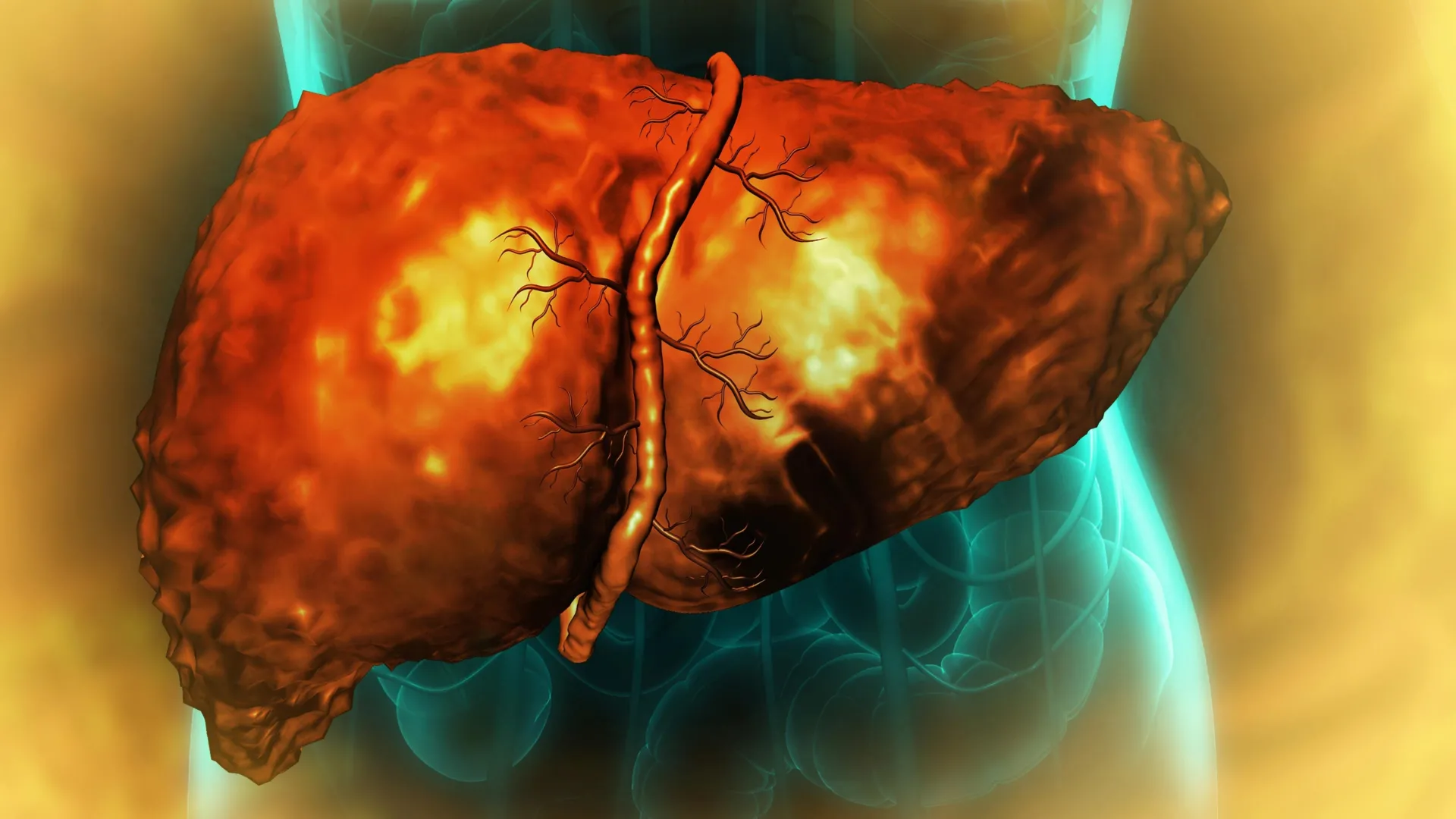
Researchers found that people exposed to PCE were three times more likely to have significant liver fibrosis. Fibrosis occurs when repeated injury causes scar tissue to build up in the liver. If that scarring becomes severe, it can interfere with the organ's ability to function and may eventually contribute to liver failure, liver cancer or death.
The findings also pointed to a clear exposure pattern. As the amount of PCE detected in a person's blood increased, so did the likelihood of significant liver fibrosis.
"This study, the first to examine the association between PCE levels in humans and significant liver fibrosis, underscores the underreported role environmental factors may play in liver health," said Brian P. Lee, MD, MAS, a hepatologist and liver transplant specialist with Keck Medicine and lead author of the study. "The findings suggest that exposure to PCE may be the reason why one person develops liver disease while someone with the exact same health and demographic profile does not."
Where PCE exposure can happen
PCE is a synthetic, colorless liquid that is especially effective at dissolving grease. That property has made it useful in dry cleaning, household products, and a variety of industrial processes.
One of the main ways people encounter PCE is by breathing it in. Dry-cleaned clothing, for example, can gradually release small amounts of the chemical into the surrounding air over time.
PCE can also contaminate drinking water. Spills or improper disposal can allow the chemical to move through soil and reach groundwater, creating another potential route of exposure.
Concerns about PCE are not new. The International Agency for Research on Cancer classifies the chemical as a probable carcinogen and has linked exposure to bladder cancer, multiple myeloma and non-Hodgkin lymphoma. Previous studies have also associated PCE exposure with an increased risk of liver cancer, according to Lee.
Because of its toxicity, the United States Environmental Protection Agency has begun a 10-year phaseout of PCE use in dry cleaning. The agency has also prohibited some other uses and imposed workplace protections for others.
Even so, PCE may continue to be encountered in certain products and industrial applications, particularly in countries that do not have comparable restrictions.
Higher PCE levels were tied to greater liver risk
To investigate the possible connection between PCE and liver disease, Lee and his colleagues analyzed data from the National Health and Nutrition Examination Survey (NHANES), a nationally representative health survey of the United States population.
The researchers examined blood measurements from people ages 20 and older collected from 2017-2020, the most recent years for which the necessary data were available. About 7% of the population had detectable levels of PCE in their blood.
The team then looked at how often significant liver fibrosis appeared among people with measurable PCE exposure. Those with PCE in their blood were three times more likely to have significant liver fibrosis than people without detectable exposure.
That relationship remained even after the researchers accounted for differences in age, sex, race, ethnicity, and education level.
The analysis also uncovered an unexpected socioeconomic pattern. People from higher-income households were more likely to have been exposed to PCE.
"People with higher incomes may be more likely to use dry cleaning services, which could increase their exposure to PCE," said Lee. "However, people who work in dry cleaning facilities may also face elevated risk due to prolonged, direct exposure to PCE at work."
The relationship between exposure and liver fibrosis became even more striking when researchers examined PCE concentrations in the blood.
For every one nanogram per milliliter increase in PCE concentration (one nanogram is one-billionth of a gram), the odds of having significant liver fibrosis increased five-fold.
A possible clue to unexplained liver disease
One of the most notable findings was what researchers did not see.
Alcohol consumption and fat buildup in the liver associated with obesity and other health conditions did not appear to explain significant liver fibrosis in people who had PCE in their blood.
That raises the possibility that environmental exposures could help explain some cases of liver disease that otherwise seem difficult to account for.
"Patients will ask, how can I have liver disease if I don't drink and I don't have any of the health conditions typically associated with liver disease, and the answer may be PCE exposure," said Lee.
The study does not establish that PCE directly causes liver fibrosis, but the strong association and the increase in risk seen with higher blood concentrations suggest that environmental chemicals deserve closer scrutiny in liver research.
Researchers call for more study of environmental toxins
Lee hopes future research will examine a broader range of environmental chemicals and their possible effects on liver health.
"No doubt there are other toxins in our environment besides PCE that are dangerous to the liver," he said.
He also believes the findings could eventually help doctors identify liver disease earlier in people who may not have traditional risk factors.
"We hope our research will help both the public and physicians understand the connection between PCE exposure and significant liver fibrosis," he said. "If more people with PCE exposure are screened for liver fibrosis, the disease can be caught earlier, and patients may have a better chance of recovering their liver function," said Lee.
Story Source:
Materials provided by University of Southern California - Health Sciences. Note: Content may be edited for style and length.
Journal Reference:
- Yinan Su, Jennifer L. Dodge, Brian P. Lee. Tetrachloroethylene Is Associated With Presence of Significant Liver Fibrosis: A National Cross‐Sectional Study in US Adults. Liver International, 2025; 45 (11) DOI: 10.1111/liv.70398
Cite This Page: