
Breakthrough drug reverses skin aging and dramatically speeds healing
A drug that clears away aging, damaged cells may help older skin heal wounds faster.
- Date:
- September 23, 2026
- Source:
- Impact Journals LLC
- Summary:
- A topical drug that removes aging, damaged cells helped older mice heal skin wounds significantly faster. The treatment appeared to reactivate repair pathways involved in inflammation, collagen production, and new blood vessel growth.
- Share:
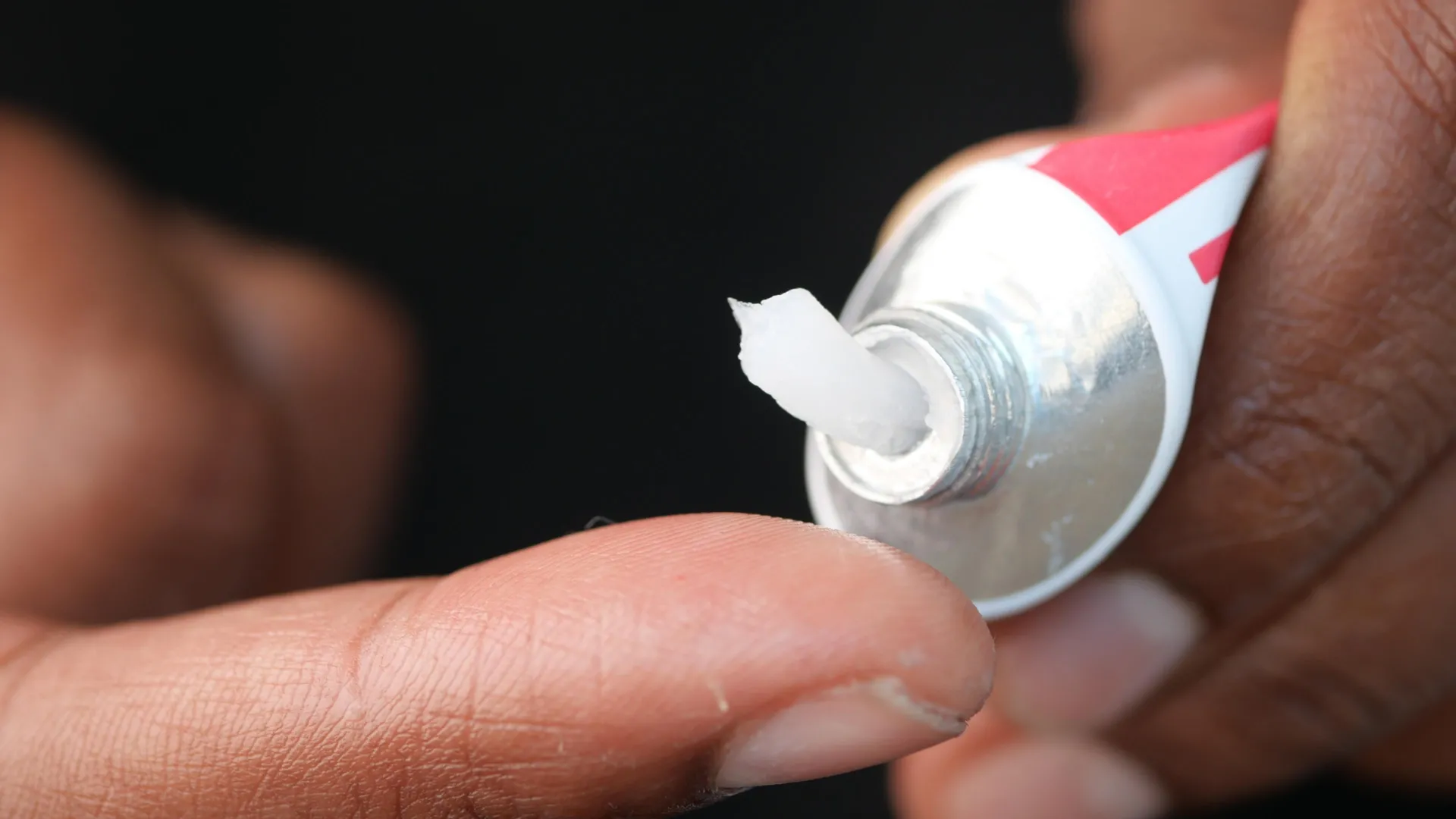
A drug designed to remove aging, damaged cells may help older skin recover from wounds more quickly, according to research published in Aging (Aging-US).
The study, titled "Topical ABT-263 treatment reduces aged skin senescence and improves subsequent wound healing," examined a drug called ABT-263 and its effects on wound repair in older mice.
Researchers Maria Shvedova, Rex Jeya Rajkumar Samdavid Thanapaul, Joy Ha, Jannat Dhillon, Grace H. Shin, Jack Crouch, Adam C. Gower, Sami Gritli, and Daniel S. Roh from the Boston University Aram V. Chobanian and Edward Avedisian School of Medicine found that applying ABT-263 directly to aging skin reduced the number of damaged cells associated with aging and significantly improved subsequent healing.
The findings raise the possibility that similar treatments could one day help address slow-healing wounds in older adults, including wounds associated with surgery or chronic health problems. However, the approach has so far been tested in mice, and additional research will be needed before its safety or effectiveness in people is known.
Aging Cells Can Interfere With Skin Repair
One reason wounds often take longer to heal with age involves the gradual accumulation of cells known as senescent cells.
Senescence is a state in which a damaged or stressed cell permanently stops dividing but remains alive. Instead of being removed from the body, these cells can linger in tissues and release substances that affect surrounding cells. As senescent cells accumulate with age, they can contribute to chronic inflammation and interfere with normal tissue repair.
ABT-263 belongs to a class of experimental drugs known as senolytics. These treatments are designed to selectively eliminate senescent cells while leaving healthier cells largely intact.
The researchers wanted to determine whether applying a senolytic directly to aging skin could clear some of these dysfunctional cells and improve the skin's ability to repair itself after an injury.
Five Days of Treatment Improved Healing
The researchers applied ABT-263 to the skin of aged mice for five days. After treatment, the skin showed fewer signs of cellular senescence.
The scientists then created small wounds and monitored how quickly they healed.
The difference became substantial. By day 24, 80% of the mice treated with ABT-263 had completely healed wounds. Among untreated aged mice, only 56% had fully healed by the same point.
The results suggest that removing senescent cells before an injury may leave aging skin better prepared to launch an effective repair response.
A Burst of Inflammation May Help Wake Up Repair
One of the more surprising findings involved inflammation.
Treatment with ABT-263 temporarily increased inflammatory activity in the skin. Although prolonged inflammation can interfere with healing, a controlled inflammatory response is also a normal and important early stage of wound repair.
In this case, the brief increase appeared to help activate the skin's repair machinery, allowing it to respond more rapidly once a wound occurred.
ABT-263 also increased the activity of genes involved in rebuilding damaged tissue. These included genes associated with collagen production and the formation of new blood vessels.
Collagen is a structural protein that provides strength and support to skin and other tissues. New blood vessel growth is equally important because healing tissue needs a steady supply of oxygen and nutrients as it rebuilds itself.
Together, these changes suggest that ABT-263 did more than simply remove damaged cells. The treatment also appeared to create conditions that helped aging skin mount a stronger regenerative response.
Treatment Mainly Affected Older Skin
The researchers also found that ABT-263 reduced senescent cells in aged mice without producing the same effect in young mice.
That selectivity may reflect the fact that older tissues contain far more senescent cells for the drug to target.
Another potential advantage was the way the treatment was delivered. Rather than giving ABT-263 orally, researchers applied it directly to the skin. Local treatment could potentially reduce exposure elsewhere in the body and avoid some of the side effects associated with oral senolytic drugs.
"Our study underscores the potential of topical senolytic treatments to enhance wound healing in aging skin, presenting a potentially promising strategy for preoperative care."
A Possible New Strategy for Aging Skin
The findings point toward a possible new approach to improving wound repair as people age: removing senescent cells before the healing process begins.
Such a strategy could eventually have implications for surgical recovery and chronic wounds, both of which can become more difficult to manage in older adults.
For now, however, the results remain preclinical. Researchers will need to determine whether topical ABT-263 can be used safely in humans and whether the wound healing benefits seen in mice translate to people.
Even so, the study adds to growing interest in senolytic therapies and suggests that targeting one of the cellular hallmarks of aging could potentially help aging skin regain some of its lost ability to repair itself.
Story Source:
Materials provided by Impact Journals LLC. Note: Content may be edited for style and length.
Journal Reference:
- Maria Shvedova, Rex Jeya Rajkumar Samdavid Thanapaul, Joy Ha, Jannat Dhillon, Grace H. Shin, Jack Crouch, Adam C. Gower, Sami Gritli, Daniel S. Roh. Topical ABT-263 treatment reduces aged skin senescence and improves subsequent wound healing. Aging, 2024; 17 (1): 16 DOI: 10.18632/aging.206165
Cite This Page: