
Gas stoves are filling millions of homes with hidden toxic air
- Date:
- December 3, 2025
- Source:
- Stanford University
- Summary:
- Stanford researchers found that gas stoves expose Americans to surprisingly high levels of nitrogen dioxide—often matching or exceeding outdoor pollution. For millions, cooking alone pushes NO2 over long-term safety thresholds. Smaller homes, renters, and rural households face the highest concentrations. Cleaner cooking technologies could substantially reduce the risks.
- Share:
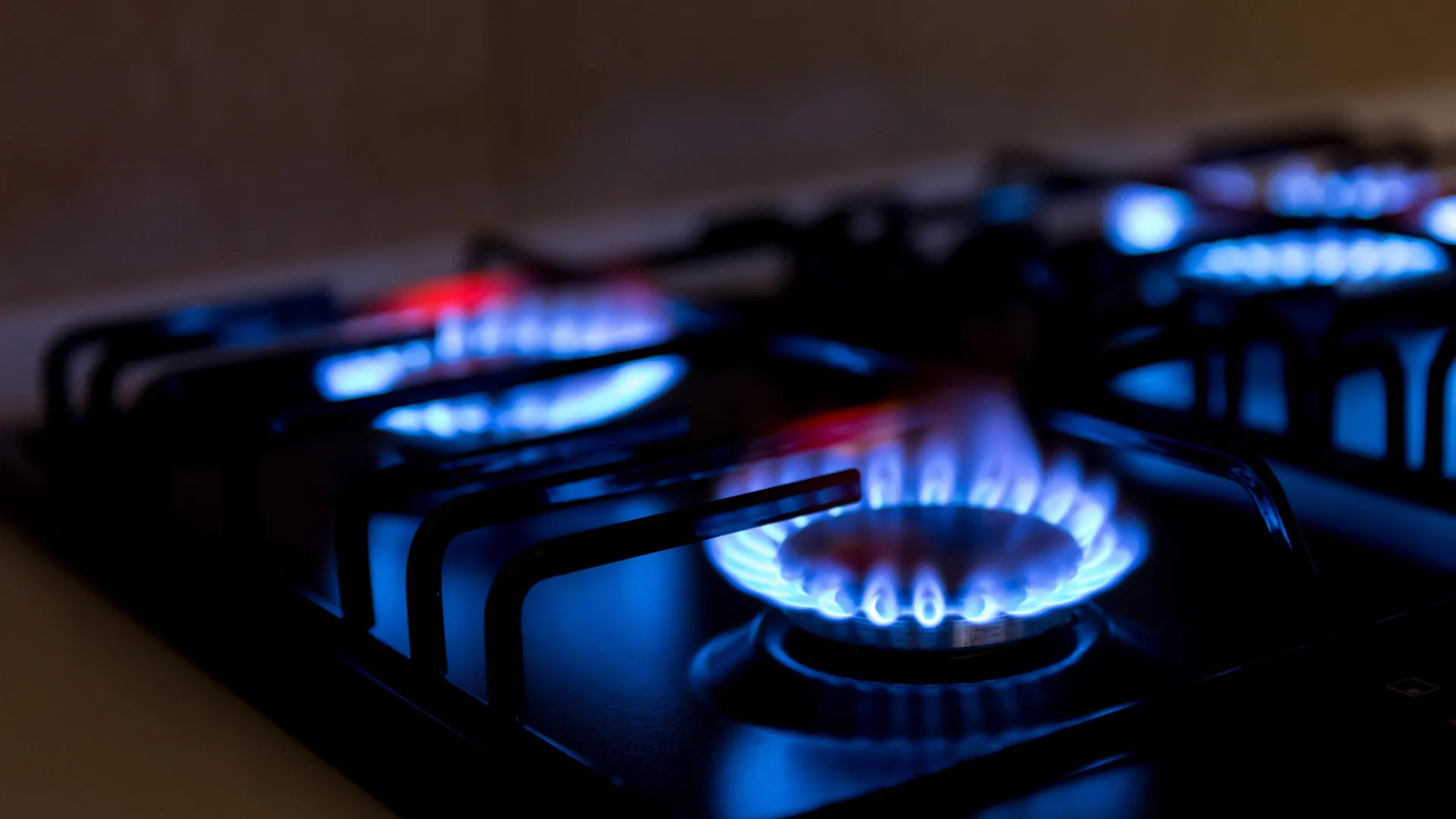
For many people in the United States, spending time indoors does not guarantee protection from harmful air pollution. A new study led by Stanford University and published Dec. 2 in PNAS Nexus reports that gas and propane stoves release significant amounts of nitrogen dioxide. This pollutant has been associated with asthma, obstructive pulmonary disease, preterm birth, diabetes, and lung cancer. According to the research, switching from gas to electric stoves lowers nitrogen dioxide exposure by more than one quarter nationwide and by about half for people who use their stoves most frequently. Earlier studies documented nitrogen dioxide from gas stoves, but this work is the first to examine both indoor and outdoor exposure across the entire country.
"We know that outdoor air pollution harms our health, but we assume our indoor air is safe." said study senior author Rob Jackson, the Michelle and Kevin Douglas Provostial Professor in Earth System Science at the Stanford Doerr School of Sustainability. "Our research shows that if you use a gas stove, you're often breathing as much nitrogen dioxide pollution indoors from your stove as you are from all outdoor sources combined."
Indoor pollution can be as dangerous as outdoor emissions
Outdoor air pollution contributes to hundreds of thousands of deaths in the U.S. each year and leads to millions of new cases of childhood asthma worldwide. Laws such as the U.S. Clean Air Act have helped reduce outdoor pollution, but indoor air remains largely unregulated even though it can pose similar risks. This new analysis is the first nationwide evaluation of how much nitrogen dioxide people encounter from both indoor and outdoor sources, including gas stoves, vehicle traffic, and electricity generation.
A 2024 investigation by the same research team found that gas stoves release nitrogen dioxide at unsafe levels that persist for hours after cooking ends.
Additional studies from several of the same authors have identified gas stoves as a source of benzene, a known carcinogen linked to leukemia and other blood disorders.
"It's time to redirect our focus to what's happening inside our homes, especially as families spend more time indoors," said study lead author Yannai Kashtan, an air quality scientist at PSE Healthy Energy who was a graduate student in Jackson's lab while conducting the research.
Mapping indoor and outdoor nitrogen dioxide exposure
To understand how people are exposed to nitrogen dioxide, the team combined indoor air measurements with outdoor pollution data, information on 133 million residential buildings, and statistics on household behavior. These data allowed researchers to determine where pollution originates and how it affects human health. The team also created national maps that show long-term and short-term nitrogen dioxide exposure by zip code for both indoor and outdoor environments.
For most people in the U.S., outdoor sources such as cars and trucks still account for the majority of nitrogen dioxide exposure. However, the maps showed that 22 million Americans, particularly those in smaller homes and in rural areas, experience nitrogen dioxide levels above recommended long-term limits from cooking with gas. In rural regions, stoves play a proportionally larger role in overall nitrogen dioxide exposure. Meanwhile, total exposure is highest in major cities, where outdoor nitrogen dioxide levels are already elevated and smaller living spaces allow stove emissions to accumulate more easily.
The study also found that the greatest short-term nitrogen dioxide spikes occur indoors and are directly caused by gas stove use. These sharp increases do not come from outdoor pollution but from concentrated bursts produced during cooking.
Who benefits most from cleaner cooking options
Efforts such as rebates and tax credits that promote electric stoves and other clean cooking technologies could significantly reduce harmful indoor pollution. These measures may have the greatest impact in smaller homes, rental properties where tenants cannot choose their appliances, and communities facing financial barriers to adopting electric stoves. Previous Stanford-led research showed that long-term NO2 exposure is 60 percent higher in American Indian and Alaska Native households and 20 percent higher in Black and Hispanic or Latino households compared to the national average. Many of these groups already face high outdoor nitrogen dioxide levels from vehicle exhaust and industrial activity.
"As we strive for cleaner air and healthier living, we should prioritize indoor air quality," Jackson said. "Switching to electric stoves is a positive step towards cleaner cooking and better health."
Jackson is also a senior fellow at the Stanford Woods Institute for the Environment and the Precourt Institute for Energy.
Other coauthors of the study include Chenghao Wang of the University of Oklahoma; and Kari Nadeau of the Harvard T.H. Chan School of Public Health.
The study was funded by the Stanford Doerr School of Sustainability and its Department of Earth System Science, and Stanford's Knight-Hennessy Scholars Program.
Story Source:
Materials provided by Stanford University. Note: Content may be edited for style and length.
Journal Reference:
- Yannai Kashtan, Chenghao Wang, Kari C Nadeau, Robert B Jackson. Integrating indoor and outdoor nitrogen dioxide exposures in US homes nationally by ZIP code. PNAS Nexus, 2025; 4 (12) DOI: 10.1093/pnasnexus/pgaf341
Cite This Page: