
A common constipation drug shows a surprising ability to protect kidneys
- Date:
- December 3, 2025
- Source:
- Tohoku University
- Summary:
- A surprising link between constipation and kidney decline led researchers to test lubiprostone, revealing that it can protect kidney function. The results point toward gut-based, mitochondria-boosting therapies as a promising new avenue for CKD care.
- Share:
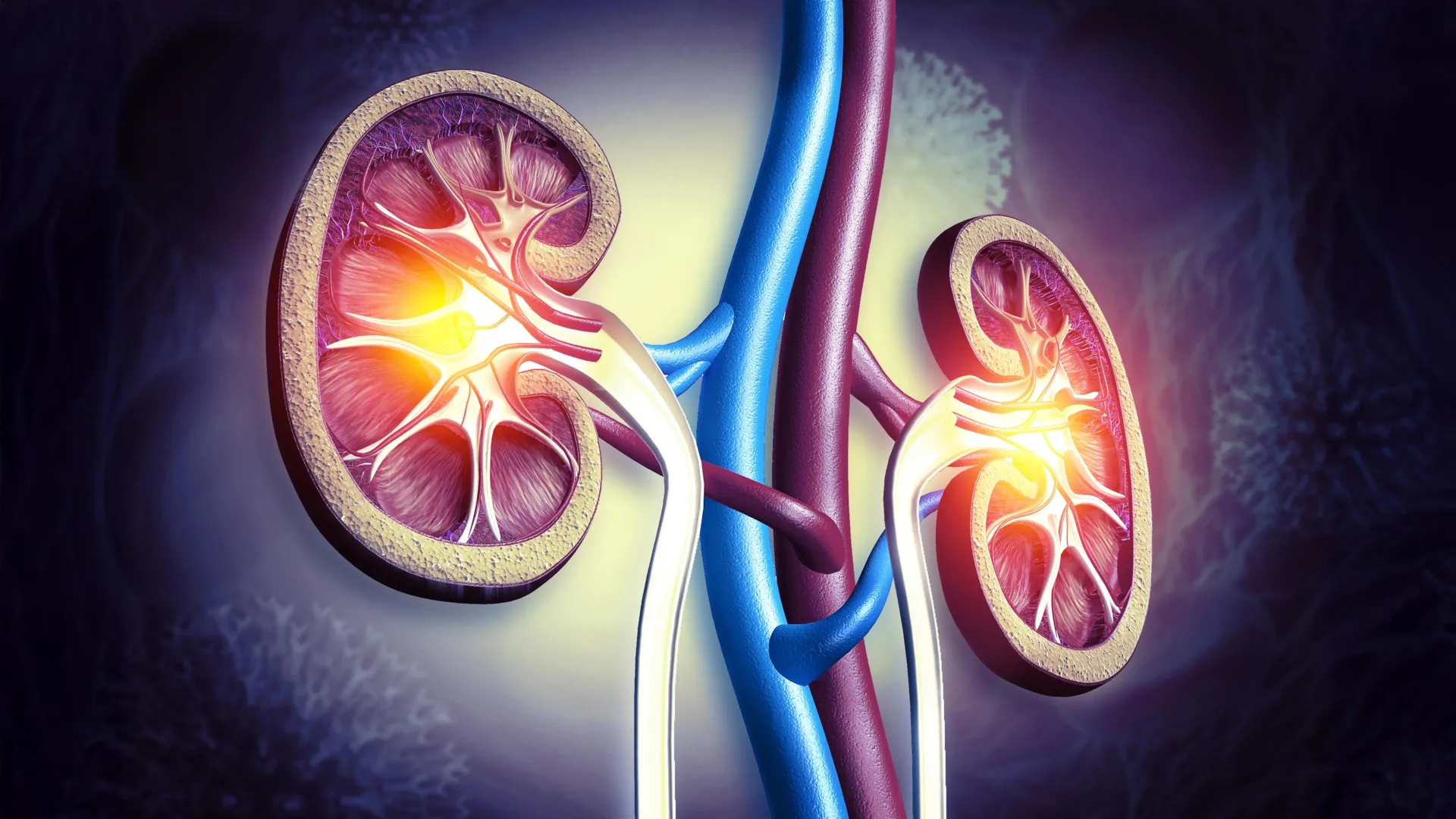
Chronic kidney disease (CKD) affects people across the globe and often progresses to the point where patients rely on routine dialysis to survive. Although the condition is widespread and serious, there are still no approved medications that can actively restore kidney function. A team led by Professor Takaaki Abe at the Tohoku University Graduate School of Medicine has uncovered an unexpected approach by repurposing a constipation medication. Their work marks the first time that this drug (lubiprostone) has been shown to slow the loss of kidney function in people with CKD.
"We noticed that constipation is a symptom that often accompanies CKD, and decided to investigate this link further," explains Abe. "Essentially, constipation disrupts the intestinal microbiota, which worsens kidney function. Working backwards, we hypothesized that we could improve kidney function by treating constipation."
Clinical Trial Shows Lubiprostone Helps Preserve Kidney Function
To test this idea, the research team organized a multicenter Phase II clinical study (LUBI-CKD TRIAL) across nine medical facilities in Japan. The trial enrolled 150 individuals with moderate CKD and examined how lubiprostone affected kidney health. When compared with participants who received a placebo, those given 8 µg or 16 µg of lubiprostone experienced a slower decline in kidney function. This finding was based on changes in the estimated glomerular filtration rate (eGFR), a standard measure used to evaluate kidney performance.
The scientists also explored why the drug had this protective effect. They determined that lubiprostone boosts the production of spermidine, a compound that enhances mitochondrial activity by encouraging the growth of beneficial gut bacteria. Improved mitochondrial function was linked to a renoprotective effect that helped limit additional kidney damage.
Next Steps and Potential for Personalized CKD Treatment
The team plans to expand their investigation through a Phase 3 clinical trial involving a larger group of participants. They also aim to identify biomarkers that could help predict which patients are most likely to benefit. Their long-term objective is to tailor treatment strategies to each person with CKD. This approach represents a significant shift from current CKD therapies, which focus mainly on lowering uremic toxins.
Overall, the findings indicate that certain laxatives may help slow the progression of kidney deterioration. This concept could also open doors to new treatments for conditions involving mitochondrial dysfunction. Details of the study were published in the scientific journal Science Advances.
Story Source:
Materials provided by Tohoku University. Note: Content may be edited for style and length.
Journal Reference:
- Shun Watanabe, Masaaki Nakayama, Takashi Yokoo, Satoru Sanada, Yoshifumi Ubara, Atsushi Komatsuda, Katsuhiko Asanuma, Yusuke Suzuki, Tsuneo Konta, Junichiro J. Kazama, Takehiro Suzuki, Shinji Fukuda, Tomoyoshi Soga, Takuji Yamada, Sayaka Mizutani, Mitsuharu Matsumoto, Yuji Naito, Kensei Taguchi, Kei Fukami, Hitomi Kashiwagi, Koichi Kikuchi, Chitose Suzuki, Hidetaka Tokuno, Marina Urasato, Ryota Kujirai, Yotaro Matsumoto, Yasutoshi Akiyama, Yoshihisa Tomioka, Shun Itai, Yoshiyasu Tongu, Eikan Mishima, Chiharu Kawabe, Tomoko Kasahara, Yoshiaki Ogata, Takafumi Toyohara, Takeya Sato, Tetsuhiro Tanaka, Takaaki Abe. Lubiprostone in chronic kidney disease: Insights into mitochondrial function and polyamines from a randomized phase 2 clinical trial. Science Advances, 2025; 11 (35) DOI: 10.1126/sciadv.adw3934
Cite This Page: