
Sleeping less than 7 hours could cut years off your life
Skipping sleep doesn’t just leave you tired—it may be quietly shortening your life.
- Date:
- January 10, 2026
- Source:
- Oregon Health & Science University
- Summary:
- Sleep isn’t just about feeling rested—it may be one of the strongest predictors of how long you live. Researchers analyzing nationwide data found that insufficient sleep was more closely tied to shorter life expectancy than diet, exercise, or loneliness. The connection was consistent year after year and across most U.S. states. The takeaway is simple but powerful: getting seven to nine hours of sleep may be one of the best things you can do for long-term health.
- Share:
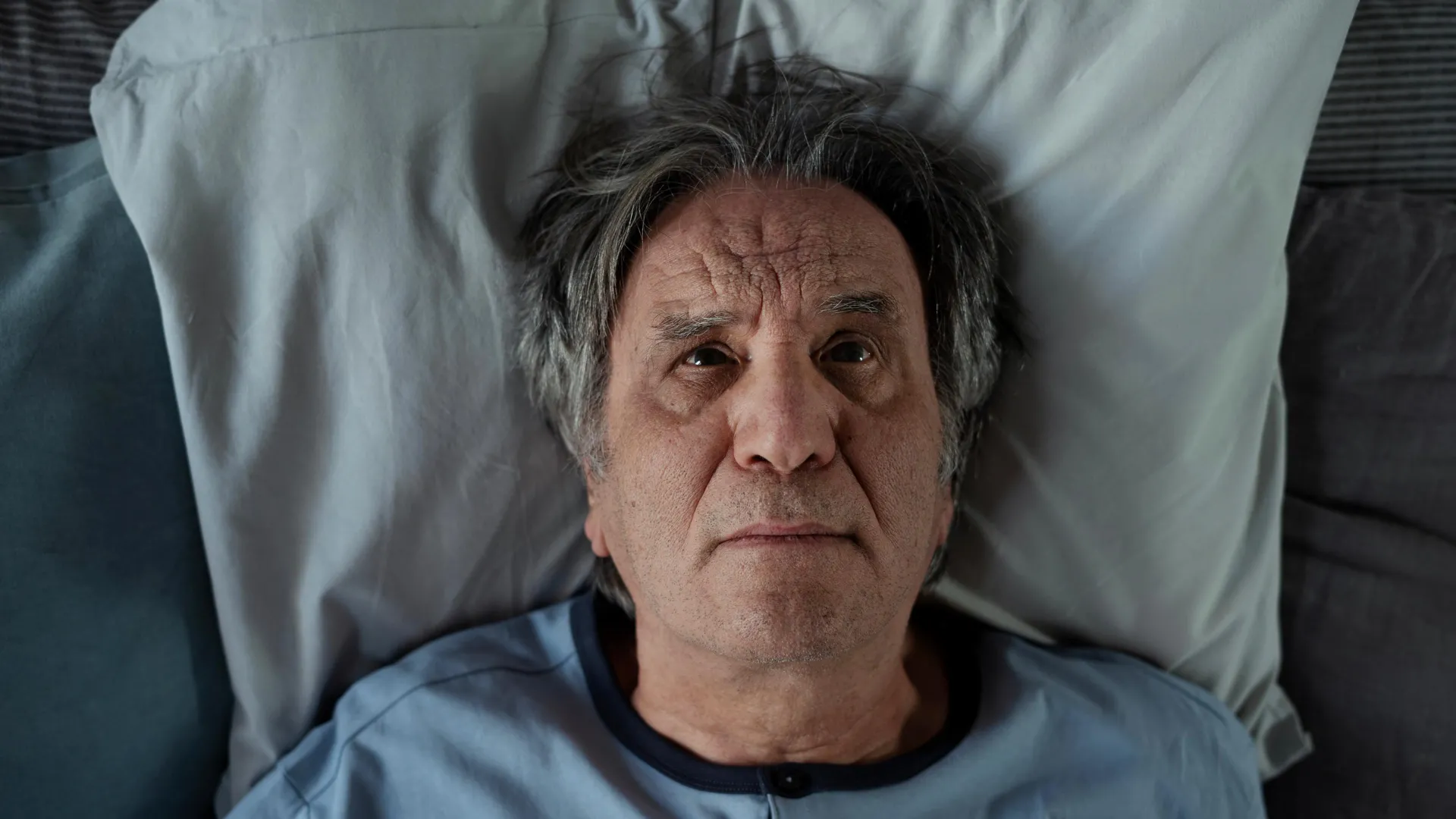
Getting a full night of sleep may play a larger role in longevity than many people realize. New research from Oregon Health & Science University indicates that regularly getting too little sleep is linked to a shorter lifespan.
The findings were recently published in the journal SLEEP Advances.
Nationwide Data Reveal Patterns Across the U.S.
To reach their conclusions, researchers analyzed a large national database, examining survey patterns related to life expectancy across counties throughout the United States. They compared county-level life expectancy figures with detailed survey data collected by the Centers for Disease Control and Prevention between 2019 and 2025.
When researchers evaluated lifestyle factors tied to how long people live, sleep stood out clearly. Its association with life expectancy was stronger than that of diet, physical activity, or social isolation. Smoking was the only factor that showed a greater influence.
"I didn't expect it to be so strongly correlated to life expectancy," said senior author Andrew McHill, Ph.D., associate professor in the OHSU School of Nursing, the OHSU School of Medicine and OHSU's Oregon Institute of Occupational Health Sciences. "We've always thought sleep is important, but this research really drives that point home: People really should strive to get seven to nine hours of sleep if at all possible."
Researchers Surprised by the Strength of the Findings
Much of the work was carried out by graduate students in the Sleep, Chronobiology and Health Laboratory within the OHSU School of Nursing.
While scientists have long recognized that adequate sleep supports overall health, the authors said they were still struck by how closely sleep duration tracked with life expectancy. In the analysis, insufficient sleep outweighed diet and exercise as a predictor of lifespan.
"It's intuitive and makes a lot of sense, but it was still striking to see it materialize so strongly in all of these models," McHill said. "I'm a sleep physiologist who understands the health benefits of sleep, but the strength of the association between sleep sufficiency and life expectancy was remarkable to me."
First Study to Track Yearly State-by-State Trends
Previous studies have linked poor sleep to increased risk of death, but this research is the first to show year-by-year connections between sleep and life expectancy across every U.S. state. For their models, researchers used the CDC definition of sufficient sleep as at least seven hours per night, which aligns with recommendations from the American Academy of Sleep Medicine and the Sleep Research Society.
Across nearly all states and in each year analyzed, the data showed a clear relationship between sleep duration and life expectancy.
Why Sleep May Influence Longevity
The study did not examine the biological reasons behind the connection. However, McHill noted that sleep plays a critical role in heart health, immune function, and brain performance.
"This research shows that we need to prioritize sleep at least as much as we do to what we eat or how we exercise," he said. "Sometimes, we think of sleep as something we can set aside and maybe put off until later or on the weekend.
"Getting a good night's sleep will improve how you feel but also how long you live."
Study Authors and Funding
In addition to McHill, the research team included lead author Kathryn E. McAuliffe, B.S., Madeline R. Wary, B.S., Gemma V. Pleas, B.A., Kiziah E.S. Pugmire, B.S., Courtney Lysiak, B.A., Nathan F. Dieckmann, Ph.D., and Brooke M. Shafer, Ph.D.
Funding for the study came from the National Heart, Lung, and Blood Institute of the National Institutes of Health under Award numbers R01HL156948, R01HL169317 and T32HL083808; the OHSU School of Nursing; and the Oregon Institute of Occupational Health Sciences through support from the Division of Consumer and Business Services of the state of Oregon (ORS 656.630).
Story Source:
Materials provided by Oregon Health & Science University. Note: Content may be edited for style and length.
Journal Reference:
- Kathryn E McAuliffe, Madeline R Wary, Gemma V Pleas, Kiziah E S Pugmire, Courtney Lysiak, Nathan F Dieckmann, Brooke M Shafer, Andrew W McHill. Sleep insufficiency and life expectancy at the state-county level in the United States, 2019–2025. SLEEP Advances, 8 December 2025 [abstract]
Cite This Page: