
A little-known health syndrome may affect nearly everyone
CKM syndrome links heart, kidney, and metabolic problems into a single, high-risk health cycle affecting nearly 90% of adults.
- Date:
- January 12, 2026
- Source:
- American Heart Association
- Summary:
- Most U.S. adults have risk factors tied to a little-known condition called CKM syndrome, which connects heart disease, kidney problems, diabetes, and obesity into one powerful health threat. When these issues overlap, the danger rises far more than when they occur alone. Despite low awareness, people are eager to learn how CKM is diagnosed and treated. Experts say understanding how these systems work together could prevent serious, life-threatening events.
- Share:
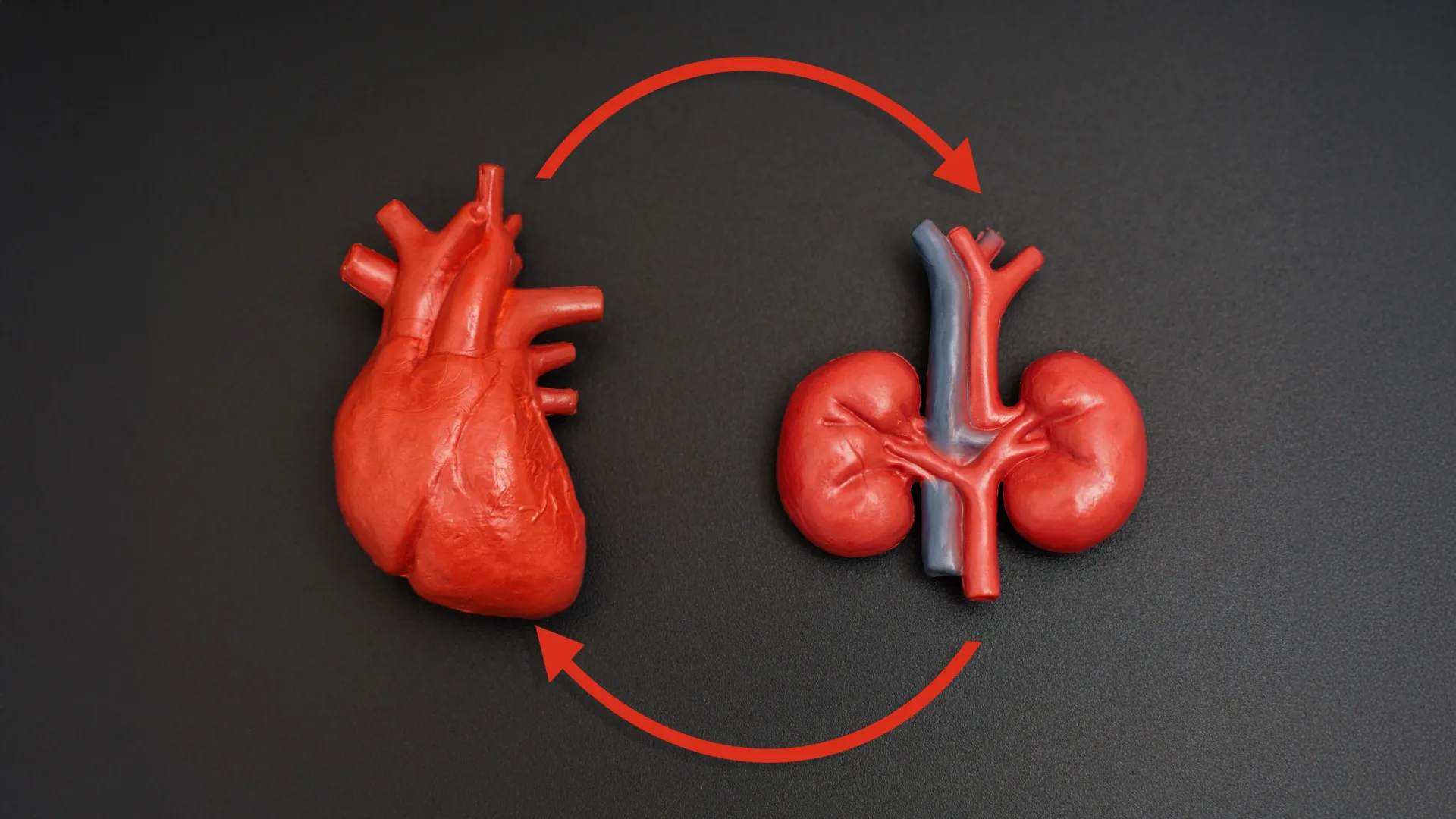
A large majority of U.S. adults are unfamiliar with cardiovascular-kidney-metabolic (CKM) syndrome, even though it affects nearly 90% of adults nationwide. CKM syndrome is a recently defined condition that brings together several major health problems, including heart disease, kidney disease, diabetes and obesity. According to a new survey from the American Heart Association, many people have not heard of CKM syndrome, yet most say they want to better understand it.
Nearly 90% of U.S. adults have at least one risk factor linked to CKM syndrome.[1] These risk factors include high blood pressure, abnormal cholesterol levels, high blood glucose (sugar), excess weight and reduced kidney function. When these issues occur together, they raise the risk of heart attack, stroke and heart failure far more than any single condition on its own. For many people, CKM syndrome can be reversed through changes in eating habits, physical activity and appropriate medical treatment.[2,3]
"We want people to know that it's really common to have heart, kidney and metabolic risk factors at the same time. It is reassuring that once the CKM connection was defined nearly three-quarters of those responding understood that it was important and wanted to learn more," said Eduardo Sanchez, M.D., FAHA, the American Heart Association's chief medical officer for prevention.
How the Heart Kidneys and Metabolism Are Connected
CKM health refers to the combined function of the heart, kidneys and metabolic system (responsible for creating, using and storing energy, which affects weight and blood glucose level). These systems rely on one another to work properly. If one begins to struggle, it can place added strain on the others. Over time, this interaction can create a harmful cycle that significantly increases the risk of developing CKM syndrome. The American Heart Association plans to release the first-ever clinical guidelines focused on CKM syndrome in early 2026.
What the Survey Revealed About Public Awareness
The new survey highlights major gaps in understanding about CKM health:
- Only 12% of U.S. adults said they had heard of CKM health or CKM syndrome
- 79% agreed it is important to learn more about CKM health, and 72% said they want additional information
- Most respondents were interested in how CKM syndrome is treated (72%) and diagnosed (71%)
- 68% incorrectly believed health conditions should be managed one at a time or were unsure of the best approach
- 42% thought a healthy heart would not likely be affected by other organ systems or were uncertain
"The heart, kidney and metabolic systems are connected and, as such, should be treated in a coordinated way," Sanchez said. "These results reveal the need to emphasize those connections and help patients understand the importance of collaborative care."
Helping People Take Action Earlier
Through its CKM Health Initiative, the American Heart Association is offering educational tools and an online resource hub to explain how heart, kidney and metabolic health are linked. These resources aim to help people take early steps to lower their risk of heart attack, heart failure or stroke. The Association is also working with healthcare teams nationwide to strengthen collaboration among professionals caring for patients with multiple chronic conditions.
A Simple Way to Understand CKM Health
A new educational video explains "2 truths" about heart health using clear visuals and plain language (watch the video here):
- The heart pumps blood to the body
- The metabolic system turns glucose (sugar) from the blood into energy
- The process of metabolism dumps waste back into the blood
- The kidneys filter waste from the blood and balance fluids, which helps with blood pressure
- Blood pressure affects how the heart pumps blood into the body
"CKM health is about your overall health," said Sanchez. "It's a full circle. You can take care of your overall health with regular checks of your blood pressure, cholesterol, weight, blood sugar and kidney function."
How the Survey Was Conducted
The Harris Poll carried out the survey in August 2025 on behalf of the American Heart Association to measure public awareness of CKM syndrome and CKM health. Approximately 4,000 U.S. adults participated. Health care professionals can find additional resources on interdisciplinary care and learn how to join the CKM Health Initiative at heart.org/CKMtools. The American Heart Association's Cardiovascular-Kidney-Metabolic Health Initiative is supported by Founding Sponsors Novo Nordisk® and Boehringer Ingelheim, Supporting Sponsors Novartis Pharmaceuticals Corporation and Bayer, and Champion Sponsor DaVita®.
Research Methodology
The research was conducted online in the United States by The Harris Poll on behalf of the American Heart Association among 4,007 US adults aged 18+. The survey was conducted 8/6 -- 8/22/2025.
Data were weighted by education, age by gender, race/ethnicity, region, household income, household size, marital status, employment and smoking status to reflect population proportions. Respondents were selected from individuals who agreed to participate in surveys.
Sampling precision for Harris online polls is measured using a Bayesian credible interval. For this study, results are accurate within ± 2.0 percentage points at a 95% confidence level. Precision varies across subgroups. As with all surveys, additional sources of error may exist, including nonresponse, question wording and post-survey adjustments.
Notes
Story Source:
Materials provided by American Heart Association. Note: Content may be edited for style and length.
Cite This Page: