
How Ozempic and Wegovy are quietly cutting America’s food bills
- Date:
- January 12, 2026
- Source:
- Cornell University
- Summary:
- Weight-loss drugs like Ozempic and Wegovy are changing how Americans spend money on food. A large Cornell study found households cut grocery spending by over 5% within six months, with even bigger drops at fast-food restaurants. Snack foods and sweets saw the steepest declines, while only a few categories like yogurt and fruit rose slightly. The effects linger for at least a year among continued users.
- Share:
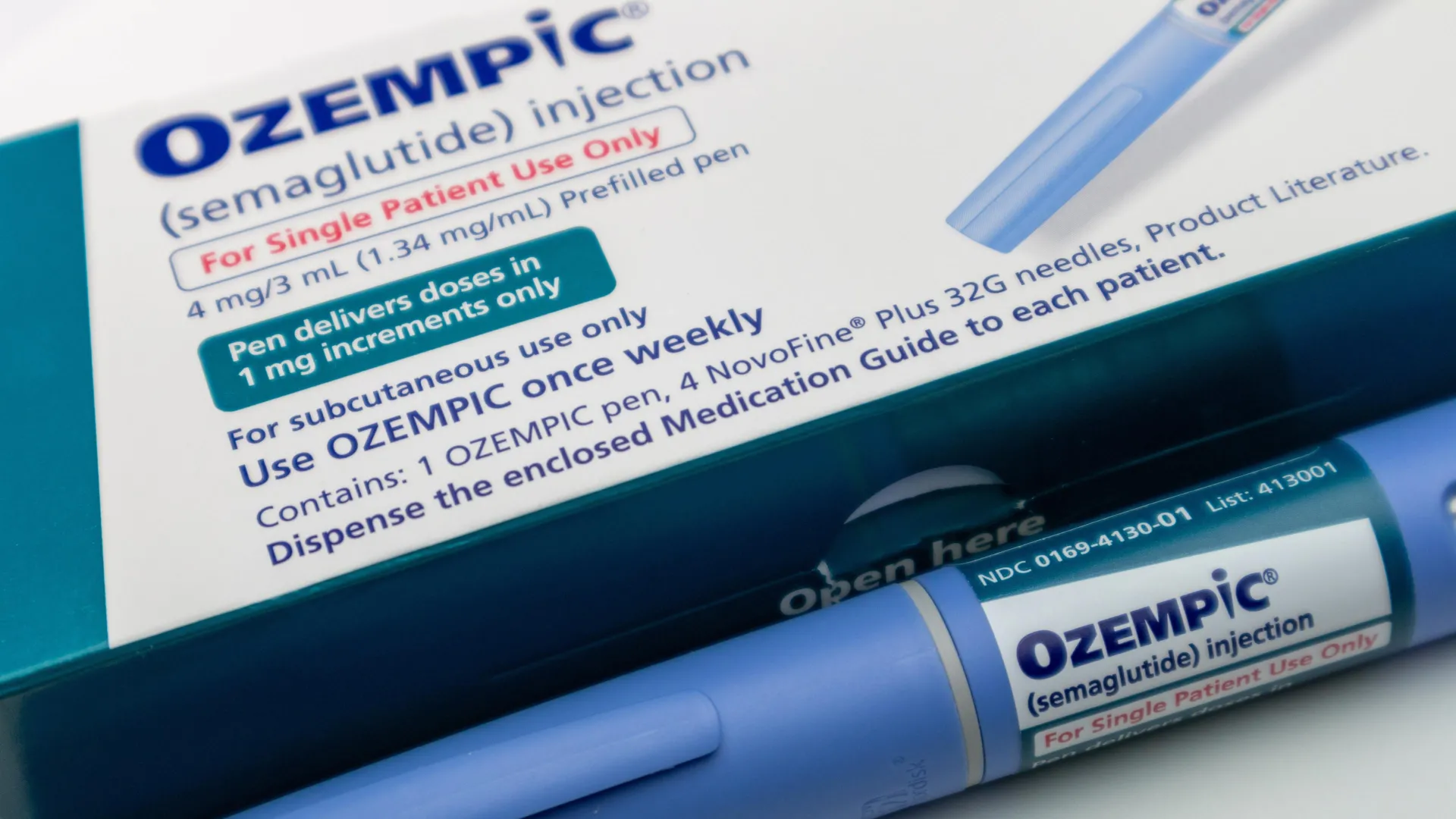
When people in the United States start using appetite-suppressing medications such as Ozempic and Wegovy, the effects go far beyond weight loss. New research from Cornell University shows that these drugs are linked to noticeable drops in how much households spend on food, including groceries and meals eaten outside the home.
The findings come from a study published in the Journal of Marketing Research. Researchers combined survey responses about GLP-1 receptor agonist use with detailed purchase records from tens of thousands of US households. GLP-1 receptor agonists were first developed to treat diabetes and are now widely used for weight loss. By connecting what people reported with what they actually bought, the study offers one of the clearest real-world views yet of how these medications influence everyday food purchasing.
Grocery and Restaurant Spending Declines
The results show a clear pattern. Within six months of starting a GLP-1 medication, households cut grocery spending by an average of 5.3%. Among higher-income households, grocery spending dropped by more than 8%. Spending at fast-food restaurants, coffee shops, and other limited-service eateries fell by about 8% as well.
For households that stayed on the medication, lower food spending continued for at least a year. Over time, however, the size of the reduction gradually became smaller, according to Sylvia Hristakeva, an assistant professor of marketing.
"The data show clear changes in food spending following adoption," Hristakeva said. "After discontinuation, the effects become smaller and harder to distinguish from pre-adoption spending patterns."
Real Purchase Data Offer a Clearer Picture
Unlike earlier studies that relied on people describing their own eating habits, this research used actual transaction data from Numerator, a market research firm. Numerator tracks grocery and restaurant purchases for a nationally representative panel of about 150,000 households. The research team paired these records with repeated surveys that asked whether anyone in the household was using a GLP-1 drug, when they began, and the reason for use.
This approach made it possible to compare households that adopted the drugs with similar households that did not. By doing so, the researchers could more confidently identify changes that occurred after medication use began. The drop in spending was not the same across all types of food.
Snack Foods See the Biggest Drop
The sharpest declines appeared in ultra-processed, high-calorie foods that are often linked to cravings. Spending on savory snacks fell by about 10%, with similar reductions in sweets, baked goods, and cookies. Purchases of basic items such as bread, meat, and eggs also declined.
Only a small number of food categories showed increases. Yogurt spending rose the most, followed by fresh fruit, nutrition bars, and meat snacks.
"The main pattern is a reduction in overall food purchases. Only a small number of categories show increases, and those increases are modest relative to the overall decline," Hristakeva said.
Broader Impacts for Industry and Policy
The shift was not limited to grocery stores. Spending at limited-service restaurants, including fast-food chains and coffee shops, also dropped sharply. If GLP-1 use continues to expand, food manufacturers, restaurants, and retailers could face long-term changes in demand, especially for snack foods and fast food. Companies may need to rethink package sizes, product formulas, and marketing strategies.
For policymakers and public health experts, the findings add to ongoing discussions about how medical treatments can influence eating behavior. The results also raise questions about whether appetite changes driven by biology can succeed in shaping diets where tools like food taxes and nutrition labels have often had limited impact.
Story Source:
Materials provided by Cornell University. Note: Content may be edited for style and length.
Journal Reference:
- Sylvia Hristakeva, Jūra Liaukonytė, Leo Feler. EXPRESS: The No-Hunger Games: How GLP-1 Medication Adoption is Changing Consumer Food Demand. Journal of Marketing Research, 2025; DOI: 10.1177/00222437251412834
Cite This Page: