
New review finds wild blueberries support heart and gut health
Tiny but mighty, wild blueberries may help boost circulation, metabolism, gut health, and even memory.
- Date:
- January 27, 2026
- Source:
- Wild Blueberry Association of North America
- Summary:
- A sweeping scientific review highlights wild blueberries as a standout food for cardiometabolic health. The strongest evidence shows improvements in blood vessel function, with encouraging signs for blood pressure, cholesterol, blood sugar, gut health, and cognition. Researchers suggest these benefits may kick in within hours—or build over weeks—thanks to the berries’ unique mix of polyphenols and fiber.
- Share:
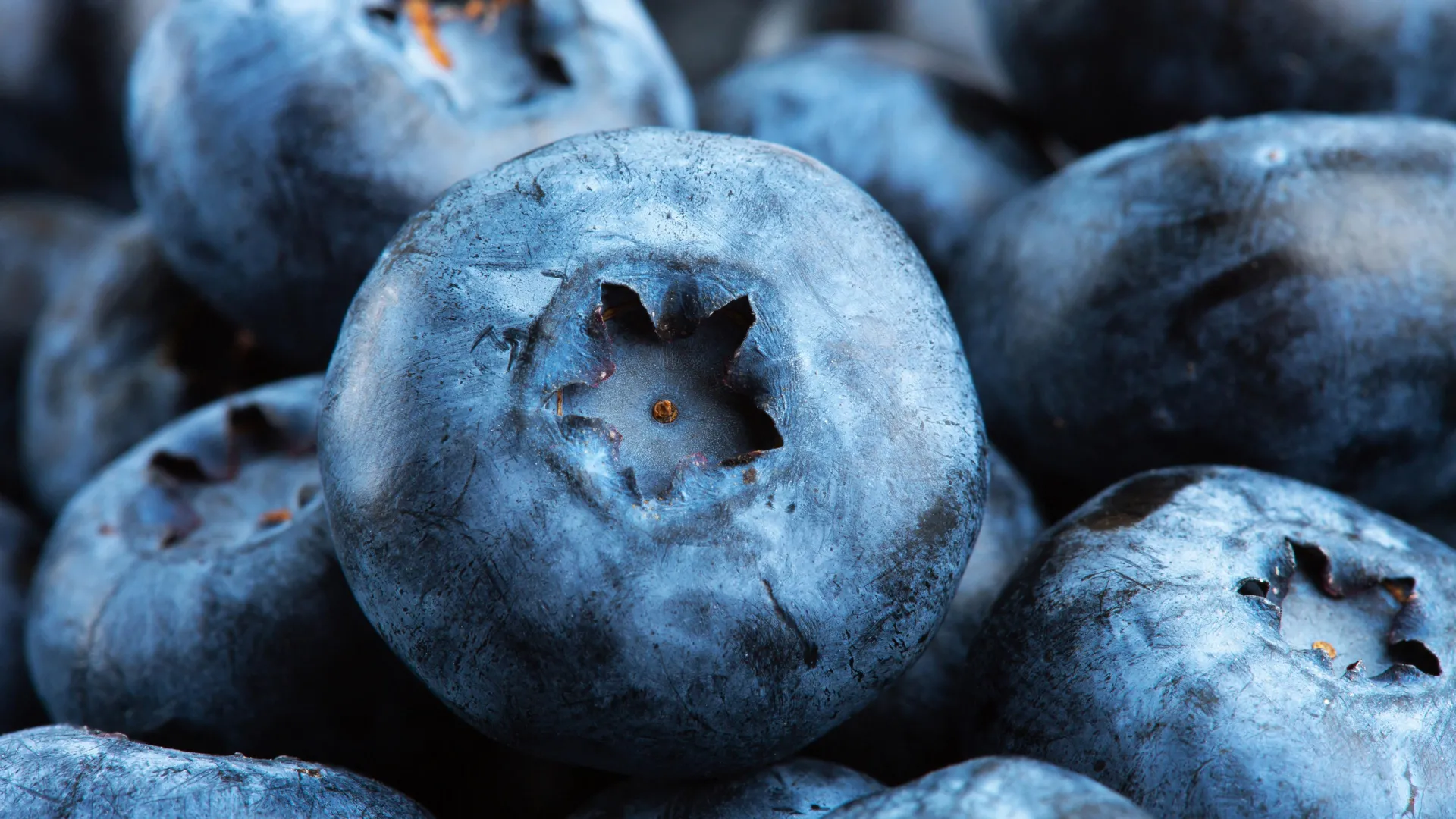
A newly published scientific review brings together decades of research examining how wild blueberries may influence cardiometabolic health. This area of health includes key measures such as blood vessel function, blood pressure, blood lipids (cholesterol and triglycerides), and blood sugar (glucose).
The review appears in Critical Reviews in Food Science and Nutrition and grew out of an expert symposium organized by the Wild Blueberry Association of North America (WBANA) in Bar Harbor, Maine. The symposium included twelve specialists representing nutrition, food science, dietetics, nutrition metabolism and physiology, cardiovascular and cognitive health, gut health and microbiology, and both preclinical and clinical research models. While participants received travel reimbursement to attend the meeting, no funding was provided for writing or developing the review itself.
Decades of clinical research under review
The paper evaluates 12 human clinical trials conducted over a span of 24 years across four countries that specifically investigated the cardiometabolic effects of wild blueberries. In addition, the authors reviewed dozens of related clinical, translational, and mechanistic studies involving wild blueberries, cultivated blueberries, and a wide range of cardiometabolic outcomes.
Overall, the authors report that evidence is strongest and most consistent for improvements in vascular function. Findings related to blood pressure, blood lipids, and blood sugar regulation are described as encouraging, though the authors emphasize the need for larger and more carefully controlled clinical trials to confirm these effects.
Beyond traditional cardiometabolic markers, the review also considers related outcomes tied to overall cardiometabolic wellness, including gut health and cognitive performance.
Blood vessel function shows the clearest benefits
Across the clinical studies reviewed, improved blood vessel function stands out as one of the most reliable findings. Research suggests that wild blueberries may support endothelial function (or how well blood vessels relax and respond to stimuli). Some studies observed changes within hours of a single serving, while others reported benefits after regular intake over weeks or months.
Gut microbiome changes may play a key role
According to the authors, wild blueberries contain fiber and polyphenols that largely reach the colon intact (only about ~5-10% of these compounds are metabolized/absorbed in the small intestine). Once there, gut microbes transform them into metabolites that can enter the bloodstream. These microbial byproducts may account for as much as 40% of the active compounds found in blood after consuming polyphenol-rich foods like wild blueberries.
One six-week clinical study highlighted in the review found that adults who consumed 25 grams of freeze-dried wild blueberry powder daily experienced increases in beneficial Bifidobacterium species. While the review identifies the gut microbiome as a likely contributor to the berries' cardiometabolic effects, the authors note that additional research is needed to clarify exactly how this process works.
Cognitive performance and brain-related outcomes
The review also summarizes intervention studies in older adults suggesting that wild blueberry intake may support certain aspects of cognitive performance. Improvements were observed in areas such as thinking speed and memory. These effects may be linked to better whole-body circulation and other cardiometabolic improvements and were reported after both single servings and longer-term interventions.
Effects on blood pressure, cholesterol, and blood sugar
For individuals with elevated cardiometabolic risk, several studies included in the review reported clinically meaningful improvements in blood pressure, blood sugar control, and lipid markers such as total cholesterol, LDL cholesterol, and triglycerides following weeks of wild blueberry consumption.
The researchers point out that results can vary depending on baseline health, medication use, overall diet, and individual differences in metabolism and the gut microbiome. They encourage future studies to focus on identifying "responders," determining optimal doses and food forms, and expanding the range of biomarkers examined.
Multiple biological pathways may be involved
"What makes wild blueberries remarkable is that they contain numerous polyphenols and nutrients and don't appear to exert their health benefits through just one mechanism," explains Sarah A. Johnson, PhD, RDN, Associate Professor at Florida State University, registered dietitian nutritionist, and lead author of the review. "The evidence suggests these berries may support multiple biological pathways relevant to cardiometabolic health, from blood vessel function to inflammation and oxidative stress, with effects that can vary from person to person. Recent research on the role of the gut microbiome in determining their health benefits is exciting and may help researchers determine ways to support the gut microbiome to enhance their health benefits."
The review outlines several possible mechanisms, including nitric oxide signaling that supports healthy circulation, pathways related to inflammation and oxidative stress, lipid and glucose metabolism, and interactions with the gut microbiome.
How much wild blueberry intake was studied
Wild blueberries were tested in several different forms across the studies reviewed. Health benefits were observed with regular intake over weeks or months using realistic serving sizes. In practical terms, this translates to eating about one cup of wild blueberries per day.
Because most wild blueberries are sold frozen, they are easy to store and use year-round. They can be added to smoothies, oatmeal, yogurt, salads, or baked goods.
Why wild blueberries are nutritionally distinct
Wild blueberries, sometimes called lowbush blueberries, are grown in Maine and Eastern Canada under challenging environmental conditions, including harsh winters. These stressors may prompt the plants to produce a wide variety of protective compounds, particularly polyphenols such as anthocyanins. Wild blueberries contain around 30 different anthocyanin forms.
"Wild blueberries have been valued by people for thousands of years," notes Dorothy Klimis-Zacas, PhD, FACN, Professor of Clinical Nutrition at the University of Maine and co-lead author on the study. "Traditional knowledge recognized their value, and today's research continues to explore how the unique composition of wild blueberries may support health when eaten as part of an overall balanced diet."
Story Source:
Materials provided by Wild Blueberry Association of North America. Note: Content may be edited for style and length.
Journal Reference:
- Sarah A. Johnson, Dorothy Klimis-Zacas, Arpita Basu, Bradley W. Bolling, Rafaela G. Feresin, Shirin Hooshmand, Peter J. Joris, Zhaoping Li, Mary Ann Lila, April J. Stull, Pon Velayutham Anandh Babu, Tiffany L. Weir. Wild blueberries and cardiometabolic health: a current review of the evidence. Critical Reviews in Food Science and Nutrition, 2026; 1 DOI: 10.1080/10408398.2025.2610406
Cite This Page: