
This common tomato nutrient may help prevent severe gum disease
- Date:
- February 10, 2026
- Source:
- Connecticut College
- Summary:
- A large U.S. study suggests that not getting enough lycopene—the antioxidant that gives tomatoes their red color—may seriously raise the risk of severe gum disease in older adults. Researchers found that seniors with adequate lycopene intake had about one-third the risk of severe periodontitis compared with those who fell short.
- Share:
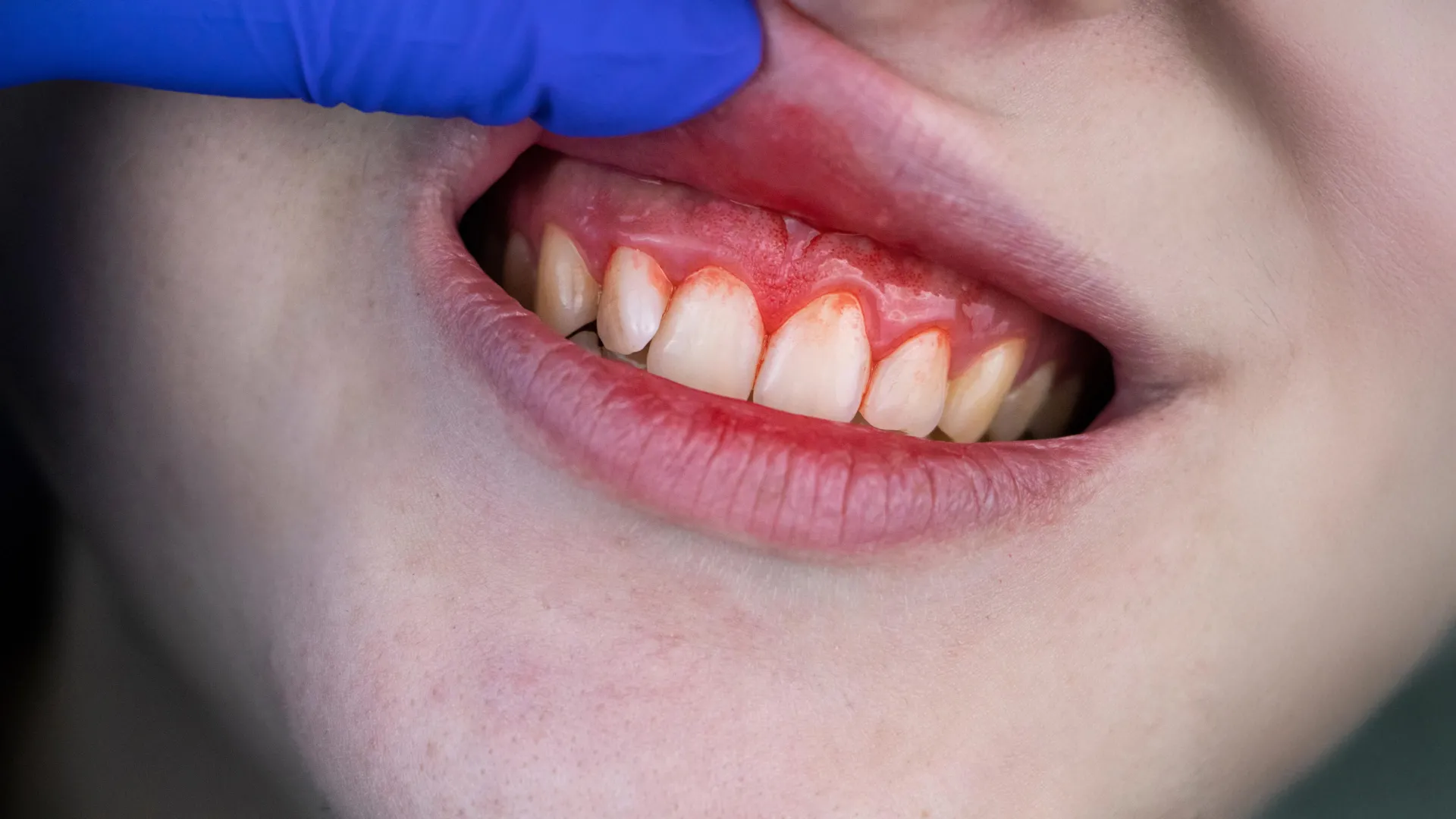
A recent study suggests that older Americans who do not get enough lycopene in their diets face a much higher risk of developing severe periodontitis. The analysis focused on U.S. adults ages 65 to 79 and found that risk levels varied by both race and sex. The findings were published in The Journal of Nutrition, Health and Aging.
The research was led by Katherine Kwong from the Department of Human Development at Connecticut College in New London, Connecticut. She worked with scientists from Tulane University, the University of California San Diego, Yunnan University, Southern Illinois University and Louisiana State University Health Sciences Center.
Large National Survey Reveals Widespread Deficiency
Researchers examined health and nutrition data from 1,227 participants in the National Health and Nutrition Examination Survey (2009-2014). Nearly half of the older adults included in the study, about 48.7%, showed signs of periodontitis. At the same time, more than three quarters, or 77.9%, were not consuming enough lycopene. Lycopene is a carotenoid found mainly in tomatoes and other red fruits.
Lower Lycopene, Higher Risk
After accounting for factors such as age, sex, race, smoking habits and education level, the researchers found a strong association between lycopene intake and gum health. Older adults who met recommended lycopene intake levels had roughly one third the odds of severe periodontitis compared with those whose intake was insufficient.
Differences by Race and Sex
The study also identified clear disparities. Severe periodontitis appeared more frequently in men and in non-Hispanic Black adults than in other groups.
Key findings include:
- Adequate lycopene intake was linked to a lower chance of severe periodontitis (odds ratio 0.33; 95% CI 0.17-0.65).
- Non-Hispanic Black adults were significantly more likely to have severe periodontitis than non-Hispanic White adults (odds ratio 2.82; 95% CI 1.46-5.45).
- Women had lower odds of severe periodontitis compared with men (odds ratio 0.27; 95% CI 0.14-0.55).
- Among non-Hispanic White adults, both being female and consuming enough lycopene were linked to reduced risk.
- Among non-Hispanic Black adults, the same protective link with lycopene intake was not observed, pointing to different risk patterns.
What the Findings Mean
According to the authors, the results suggest that dietary lycopene could be an important factor that can be changed to help prevent severe gum disease in older adults. However, they caution that the study design was cross-sectional, meaning it cannot prove that low lycopene intake directly causes gum disease.
The researchers also emphasize the broader issue of racial and sex differences in periodontal disease, noting that non-Hispanic Black adults and men experience higher rates of severe disease. They recommend that future prevention efforts take these differences into account and call for long term or randomized controlled studies to determine whether increasing lycopene intake can reduce the risk or slow the progression of severe gum disease.
Story Source:
Materials provided by Connecticut College. Note: Content may be edited for style and length.
Journal Reference:
- Katherine Kwong, You Lu, ZhuoHuan Li, Susu Luo, Zhaoyu Huang, Zhong Chen, Na Zhao, Tung-Sung Tseng. Lycopene, Race and Periodontitis: Disparities in Older Adults. The Journal of nutrition, health and aging, 2026; 30 (2): 100759 DOI: 10.1016/j.jnha.2025.100759
Cite This Page: