
Fixing a tooth infection may improve blood sugar and heart health
A simple root canal might do more than save a tooth—it could also help lower inflammation and improve heart and metabolic health.
- Date:
- March 17, 2026
- Source:
- King's College London
- Summary:
- A new clinical study suggests that successful root canal treatment may benefit more than just dental health. Patients treated for infected teeth showed improved blood sugar control, healthier cholesterol levels, and reduced inflammation over time. The infection can allow bacteria to enter the bloodstream, potentially affecting metabolism and heart health. Clearing the infection appears to help reverse some of these harmful effects.
- Share:
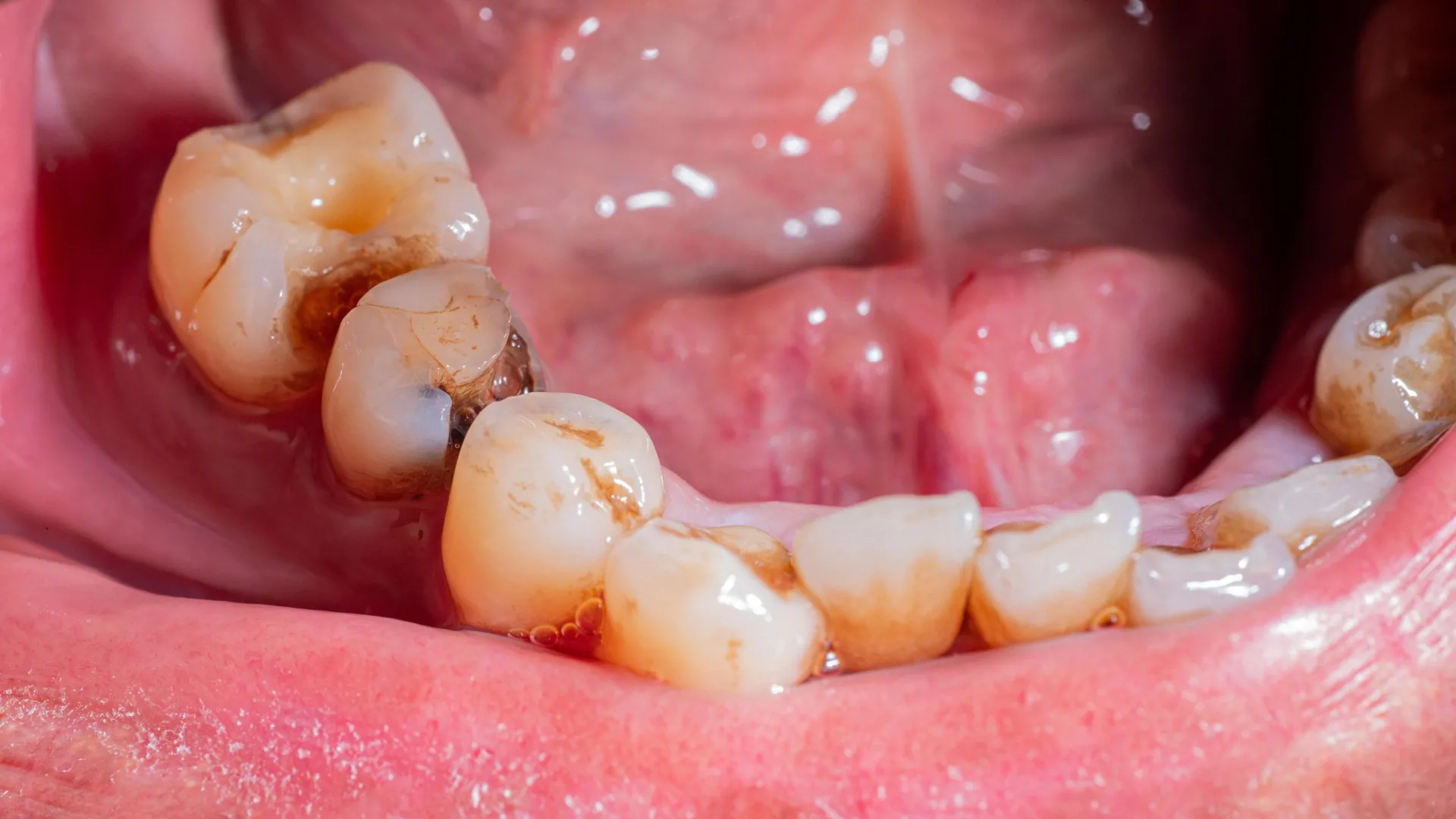
A successful root canal may provide benefits that extend beyond saving a tooth. New research suggests that treating certain dental infections could help lower inflammation associated with heart disease while also improving blood sugar and cholesterol levels.
Researchers at King's College London conducted a clinical study examining changes in blood chemistry after patients received root canal treatment for a common dental infection (apical periodontitis). This infection can allow bacteria from the tooth to enter the bloodstream, triggering inflammation. Increased inflammation has been linked to higher risks of heart problems and difficulties controlling blood sugar.
Although scientists have long suspected that oral infections can affect overall health, the potential benefits of successfully treating these infections had not been closely examined until now.
Improvements in Blood Sugar, Cholesterol, and Inflammation
The researchers found several encouraging changes in patients after successful root canal treatment.
- Improved glucose metabolism: Blood sugar levels dropped significantly during the two years following treatment. Lower blood sugar is an important factor in reducing the risk of diabetes.
- Better lipid profiles: Patients experienced short term improvements in cholesterol and fatty acid levels in the blood, both of which are closely tied to heart health.
- Reduced inflammation: Key indicators of inflammation, which are often associated with cardiovascular disease and other chronic conditions, gradually declined.
- Oral bacteria linked to bodywide effects: Bacteria originating from infected teeth appeared to influence the body's overall metabolic processes.
Root canal infections can allow bacteria to enter the bloodstream. Once there, these microbes may contribute to inflammation that raises the risk of heart disease and diabetes. Treating the infection successfully may help reduce those risks.
Tracking Blood Chemistry After Dental Treatment
The study monitored 65 patients receiving care at Guy's and St Thomas' NHS Foundation Trust. Researchers followed participants for two years after their root canal procedures.
During that time, scientists analyzed molecules circulating in the patients' blood to better understand how the body processes sugar, fats, and other important substances. These analyses also revealed how the body responds to infection and treatment.
The team used a technique called nuclear magnetic resonance (NMR) spectroscopy to study proteins and other molecules in the blood.
Blood Markers May Help Monitor Recovery
The findings suggest that certain metabolic markers in the blood could help doctors evaluate recovery and potential health risks following dental treatment. These markers include glucose, fats called triglycerides, and the protein tryptophan.
Lead Author Dr. Sadia Niazi, Senior Clinical Lecturer in Endodontology, King's College London, said: "Our findings show that root canal treatment doesn't just improve oral health -- it may also help reduce the risk of serious health conditions like diabetes and heart disease. It's a powerful reminder that oral health is deeply connected to overall health.
"Long-standing root canal infections can allow bacteria to enter the bloodstream, trigger inflammation, and increase blood glucose and fats levels -- raising the risk of serious health issues like heart disease and diabetes. It is vital that dental professionals recognize the wider impact of these root canal infections and advocate for early diagnosis and treatment.
"We also need to move towards integrated care, where dentists and general practitioners work together to monitor the risks through these blood markers and protect overall health. It's time to move beyond the tooth and embrace a truly holistic approach to dental care."
More Research Needed
Although larger studies will be needed to confirm the results, the research offers new insight into how dental care may influence overall health and disease risk.
The study is published in Journal of Translational Medicine.
The research was funded by Royal College of Surgeons (RCS) England.
Story Source:
Materials provided by King's College London. Note: Content may be edited for style and length.
Journal Reference:
- Yuchen Zhang, Adrien Le Guennec, Pirkko Pussinen, Gordon Proctor, Sadia Ambreen Niazi. Successful endodontic treatment improves glucose and lipid metabolism: a longitudinal metabolomic study. Journal of Translational Medicine, 2025; 23 (1) DOI: 10.1186/s12967-025-07110-0
Cite This Page: