
Scientists boost lifespan by 70% in elderly male mice using simple drug combo
A simple two-drug combo restored youthfulness and greatly extended life—but only in old male mice.
- Date:
- December 2, 2025
- Source:
- Impact Journals LLC
- Summary:
- Scientists found that combining oxytocin with an Alk5 inhibitor revitalized extremely old male mice, boosting their lifespan and strength. Female mice showed only short-term improvements, highlighting a major sex difference in aging biology. The therapy restored youthful protein patterns in blood and targeted key pathways that drive tissue decline. Because the components are already clinically accessible, this approach could move toward human testing.
- Share:
A recent cover article in Aging-US, titled "Sex-specific longitudinal reversal of aging in old frail mice," highlights a promising new direction in longevity research.
The work, led by first author Cameron Kato along with corresponding author and Aging-US Editorial Board Member Irina M. Conboy at the University of California, Berkeley, reveals that combining oxytocin with an Alk5 inhibitor (OT+A5i) greatly improved both lifespan and overall health in frail, elderly, male mice. Female mice did not experience the same long-lasting benefits, pointing to important biological differences in how each sex responds to anti-aging therapies.
"These findings establish the significant health-span extension capacity of OT+A5i and emphasize the differences in aging and in response to longevity therapeutics between the sexes."
How the Dual-Drug Strategy Works
The team used a two-part treatment designed to address major biological changes that occur with age. Oxytocin, a hormone known to support tissue repair and naturally decline over time, was paired with an Alk5 inhibitor that blocks the TGF-beta pathway. TGF-beta activity tends to increase in older tissues and is linked to inflammation and cellular damage. In this research, frail mice aged 25 months, which is roughly equivalent to 75 human years, received regular OT+A5i treatment.
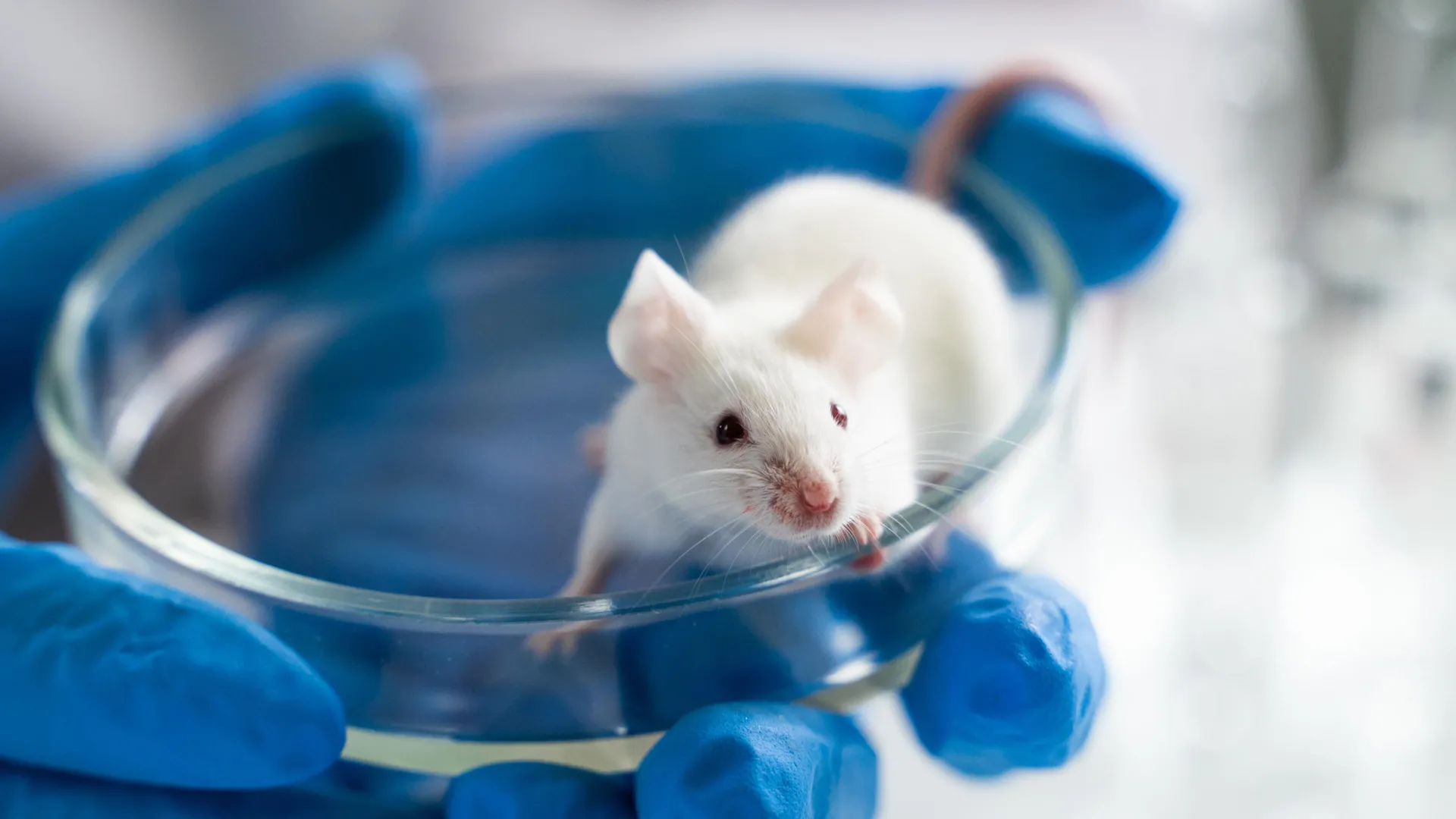
Male mice treated with this combination lived more than 70% longer than untreated mice and showed marked improvements in agility, endurance, and memory. Hazard ratio analysis indicated that treated males were nearly three times less likely to die at any moment compared to untreated controls.
"Treatment of old frail male mice with OT+A5i resulted in a remarkable 73% life extension from that time, and a 14% increase in the overall median lifespan."
Sex Differences in Long-Term Benefits
The treatment also restored a more youthful pattern in circulating blood proteins by reducing "biological noise," a recognized indicator of aging. Although both males and females experienced short-term improvements, only the males maintained long-term gains in systemic protein balance after four months of continuous therapy. Female mice showed no major improvements in lifespan or sustained health measures, although middle-aged females did experience increased fertility.
These outcomes highlight how strongly sex-specific biology can influence the effectiveness of aging interventions. The exact reasons behind these differences are still unclear, yet the study establishes a useful model for understanding how therapies may work differently across sexes.
Potential Path to Human Application
Oxytocin already has FDA approval, and Alk5 inhibitors are being evaluated in clinical trials, which raises the possibility that this combined approach could eventually be adapted for humans. Based on the robust improvements seen in frail elderly male mice, OT+A5i may hold significant promise for enhancing late-life health and survival in the future.
Story Source:
Materials provided by Impact Journals LLC. Note: Content may be edited for style and length.
Journal Reference:
- Cameron Kato, Jessica Zheng, Cindy Quang, Sophia Siopack, Joana Cruz, Zachery R. Robinson, Nicole Fong, Zhixin A. Zhang, Patrick Young, Michael J. Conboy, Irina M. Conboy. Sex-specific longitudinal reversal of aging in old frail mice. Aging, 2025; 17 (9): 2252 DOI: 10.18632/aging.206304
Cite This Page: