
Study raises red flags over long-term effectiveness of popular weight loss drugs like Ozempic
Ozempic, Mounjaro, and Zepbound can help people lose weight fast, but once the drugs stop, the weight often comes rushing back.
- Date:
- January 29, 2026
- Source:
- BMJ Group
- Summary:
- Ozempic, Mounjaro, and Zepbound can drive impressive weight loss, but stopping them is often followed by rapid weight regain. Researchers found that people regain weight faster after quitting these drugs than after diet and exercise alone. Improvements in heart health and diabetes risk also tend to reverse within a few years. The results suggest long-term success may require more than medication alone.
- Share:
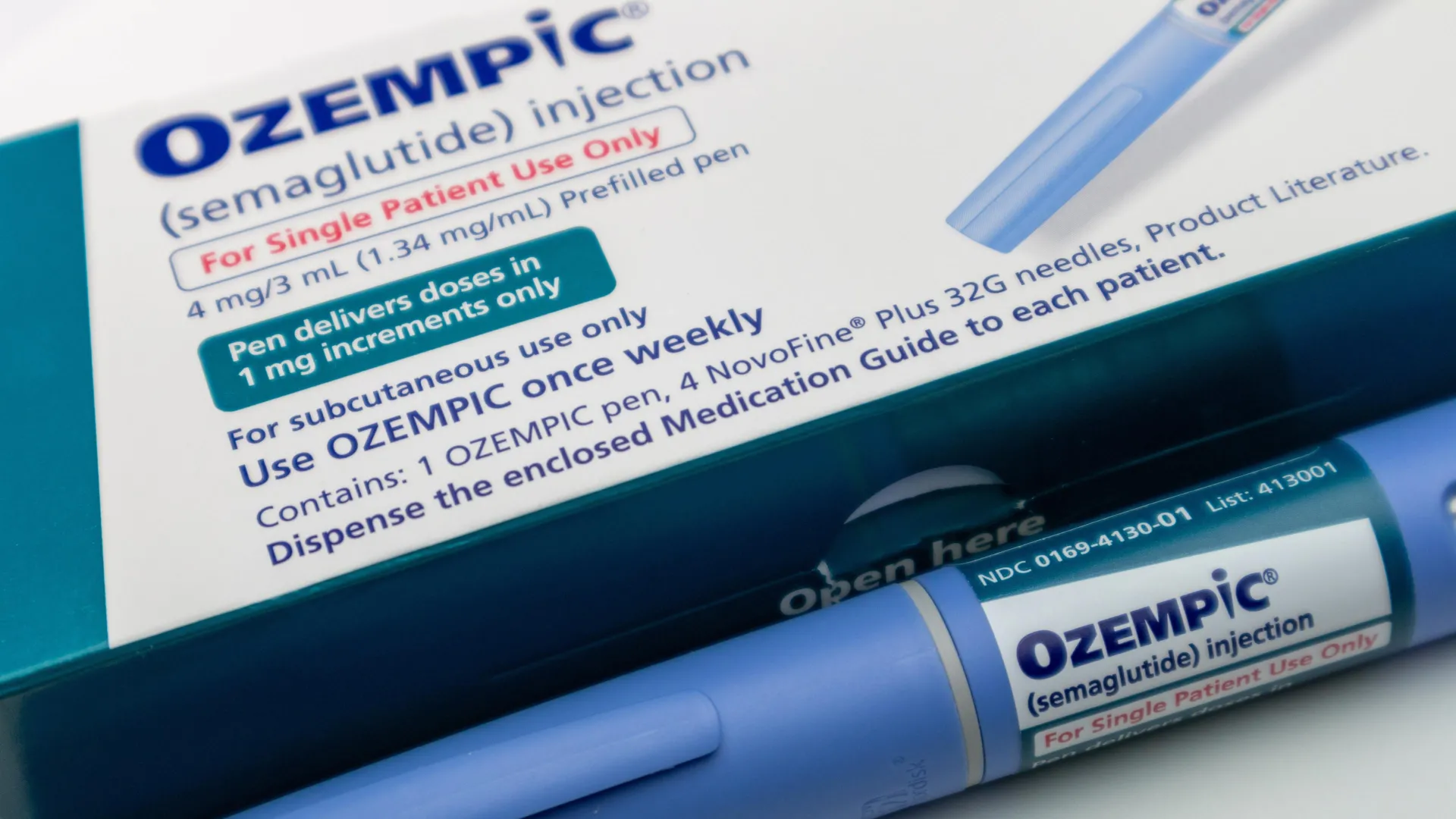
People who stop taking prescription weight loss medications often regain weight and lose many of the health improvements they achieved, according to a study published by The BMJ. The analysis found that benefits tied to heart and metabolic health, including improvements in cholesterol levels and blood pressure, tend to fade after treatment ends.
On average, individuals regained about 0.4 kilograms per month after stopping medication. Based on these trends, body weight and key risk markers for diabetes and heart disease were projected to return to pre-treatment levels in under two years.
The study also found that weight regain after stopping medication happened much faster than after weight loss achieved through diet and physical activity. In fact, the pace of regain was nearly four times higher, regardless of how much weight a person initially lost.
"This evidence suggests that despite their success in achieving initial weight loss, these drugs alone may not be sufficient for long term weight control," the researchers write.
GLP-1 Drugs Have Changed Obesity Treatment, But Many Stop Taking Them
Newer weight loss medications, including glucagon-like peptide-1 (GLP-1) receptor agonists such as semaglutide (Ozempic, Wegovy, and Rybelsus) and tirzepatide (Mounjaro and Zepbound), have significantly reshaped obesity treatment by helping many patients lose substantial amounts of weight.
However, about half of people with obesity stop using GLP-1 drugs within a year. That high discontinuation rate makes it especially important to understand what happens to weight and health risks related to diabetes and heart disease once treatment is discontinued.
How the Researchers Analyzed Weight Regain
To examine these outcomes, researchers from the University of Oxford reviewed clinical trials and observational studies involving adults who used medications approved for weight loss. These results were compared with outcomes from non-drug approaches such as behavioral weight management programs or placebo treatments.
Although the included studies varied in design and quality, the research team evaluated potential bias using established assessment tools to ensure consistency across the analysis.
In total, 37 studies published through February 2025 were included, covering 9,341 participants. On average, people received weight loss treatment for 39 weeks and were followed for about 32 weeks afterward.
Health Benefits Fade Within Years After Stopping Treatment
Across the studies, participants who stopped taking weight loss drugs regained an average of 0.4 kilograms per month. Based on this rate, researchers estimated that body weight would return to pre-treatment levels within about 1.7 years.
Cardiometabolic risk markers showed a similar pattern. Measures related to heart disease and metabolic health were projected to return to baseline within roughly 1.4 years after medication was discontinued.
Weight regain was also consistently faster following drug-based weight loss than after behavioral weight management programs, with an average difference of 0.3 kilograms per month. This pattern held true regardless of how much weight was lost during treatment.
Study Limitations and Strength of the Findings
The authors note several limitations. Only eight of the included studies examined newer GLP-1 medications, and none followed participants for more than 12 months after stopping treatment. In addition, relatively few studies were rated as having a low risk of bias.
Even so, the researchers emphasize that they used three different analytical approaches, all of which produced similar results. This consistency adds confidence to their overall conclusions.
Experts Urge Long-Term Strategies Beyond Medication
Based on the findings, the authors conclude: "This evidence cautions against short term use of weight management medications, emphasizes the need for further research into cost effective strategies for long term weight control, and reinforces the importance of primary prevention."
A US researcher echoed these concerns in a linked editorial, writing that "The study findings cast doubt on the notion that GLP-1 receptor agonists are a perfect cure for obesity."
"People taking GLP-1 receptor agonists should be aware of the high discontinuation rate and the consequences of cessation of medications," he adds. "Healthy dietary and lifestyle practices should remain the foundation for obesity treatment and management, with medications such as GLP-1 receptor agonists used as adjuncts."
"Such practices not only help prevent excess weight gain but can also lead to numerous health benefits that go beyond weight control," he concludes.
Story Source:
Materials provided by BMJ Group. Note: Content may be edited for style and length.
Journal Reference:
- Sam West, Jadine Scragg, Paul Aveyard, Jason L Oke, Lia Willis, Stella J P Haffner, Heather Knight, Danni Wang, Sarah Morrow, Laura Heath, Susan A Jebb, Dimitrios A Koutoukidis. Weight regain after cessation of medication for weight management: systematic review and meta-analysis. BMJ, 2026; 392: e085304 DOI: 10.1136/bmj-2025-085304
Cite This Page: