
Dermatologists say collagen supplements aren’t the skin fix people expect
- Date:
- January 29, 2026
- Source:
- Tufts University
- Summary:
- Collagen pills sound like a shortcut to younger skin, but solid evidence doesn’t back them up. Higher-quality studies show little benefit, and your body doesn’t absorb collagen in the way ads suggest. Some supplements may even pose safety concerns and lack proper testing. Experts recommend focusing on proven habits like sunscreen, retinoids, and a nutrient-rich diet instead.
- Share:
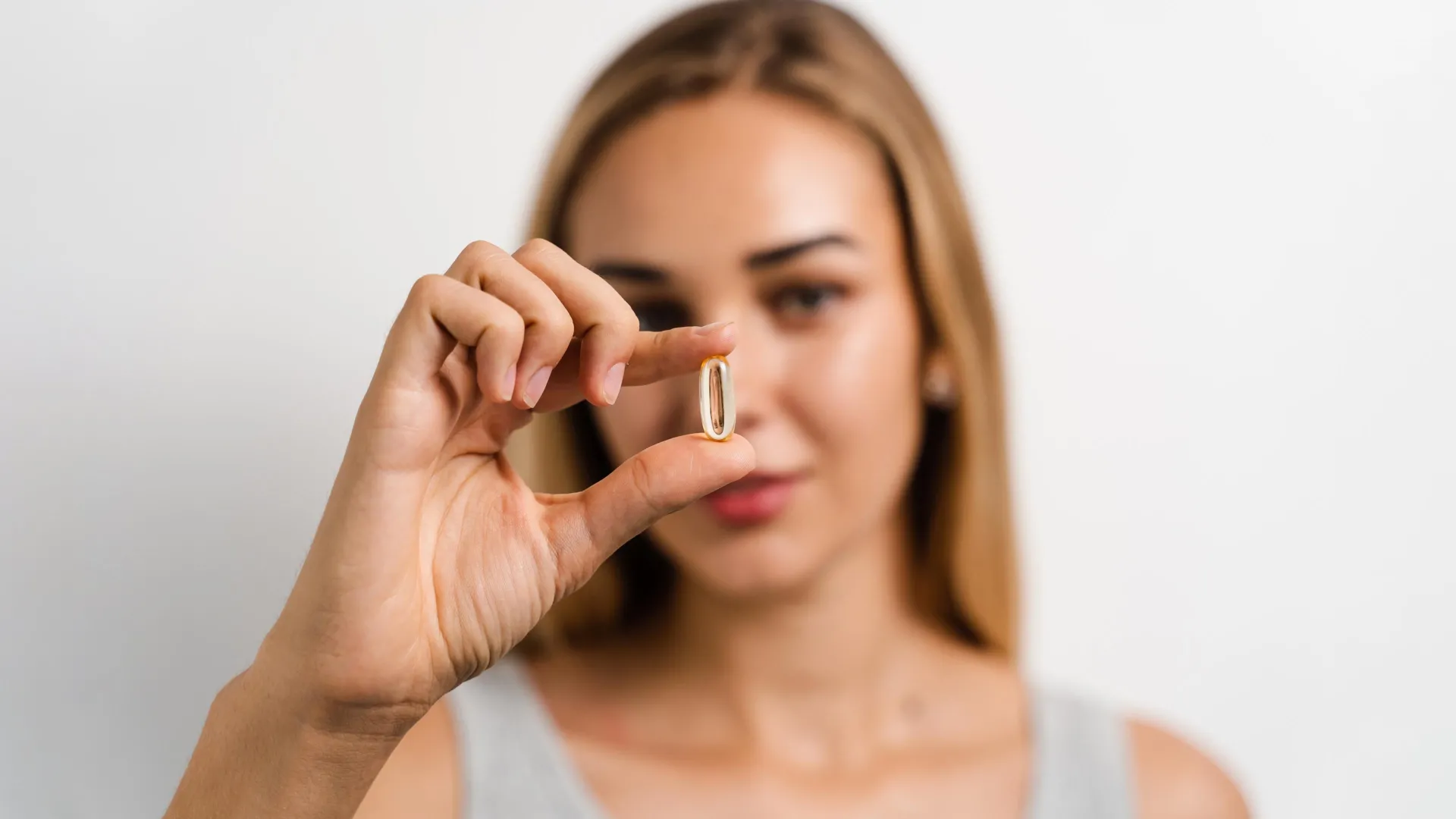
Farah Moustafa, MD, an assistant professor at Tufts University School of Medicine and a dermatologist with Tufts Medical Center, explains that collagen supplements are not a proven solution for skin aging. "Oral collagen supplements are not currently recommended to treat skin aging, although they can be considered along with other more effective and well studied interventions."
Research on oral collagen supplements has produced mixed results. "While some studies suggest oral collagen supplements (particularly hydrolyzed collagen) may improve skin hydration and elasticity, others disagree." According to Moustafa, the quality of the research matters. "A recent meta-analysis of 23 randomized controlled trials found that studies supporting the use of collagen supplements were more likely to be low quality and funded by pharmaceutical companies, whereas high-quality studies with other funding sources did not find any benefit from collagen supplementation."
How Collagen Works in the Body
Collagen plays an important role throughout the body. "Collagen is a protein found throughout the body, including in skin, muscles, bones, and connective tissues." As people age, natural collagen production slows, which contributes to visible and physical changes. "As we age, our body's natural collagen production slows down, leading to signs of aging like wrinkles, sagging skin, and joint discomfort."
However, swallowing collagen does not work the way many people assume. "But collagen needs to be broken down to be absorbed, so consuming it does not actually provide collagen to the parts of the body that might need it."
Safety and Quality Concerns With Supplements
There are also safety considerations to keep in mind. "Be aware that oral collagen supplements made from marine sources (seafood) run the risk of being contaminated with methylmercury." Moustafa notes that supplements are not regulated the same way medications are. "Additionally, supplements are not checked for safety or effectiveness before entering the marketplace."
The lack of oversight is a concern for dermatologists. "According to the American Academy of Dermatology, most oral collagen supplements currently in the marketplace lack third-party verification and do not have clear ingredient information."
Better Ways to Support Collagen Naturally
Rather than relying on supplements, experts emphasize supporting the body's own collagen production. "A healthy dietary pattern provides your body with the nutrients necessary to build its own collagen." Moustafa recommends getting enough protein and eating vitamin C rich foods. "Be sure to get adequate protein and include foods rich in vitamin C like strawberries, kiwis, red bell peppers, and citrus fruits."
Daily habits also make a meaningful difference. "Other lifestyle habits are important at maintaining collagen." She points to sun protection, proven skin care ingredients, and avoiding tobacco. "Using sunscreen to protect against UV damage, regular use of a topical retinol/retinoid, and avoiding smoking can all help preserve collagen and prevent its breakdown."
Farah Moustafa, MD, FAAD, is an assistant professor at Tufts University School of Medicine and a dermatologist with Tufts Medical Center.
Story Source:
Materials provided by Tufts University. Original written by Farah Moustafa. Note: Content may be edited for style and length.
Cite This Page: