
Gut bacteria that make serotonin may hold the key to IBS
- Date:
- March 13, 2026
- Source:
- University of Gothenburg
- Summary:
- Researchers have identified two gut bacteria that can produce serotonin, a key chemical that regulates bowel movements. In experiments with mice lacking serotonin, the microbes boosted serotonin levels, increased nerve cells in the colon, and normalized intestinal movement. The study also found that people with IBS have lower levels of one of these bacteria. The discovery suggests gut microbes could become a powerful new target for treating digestive disorders.
- Share:
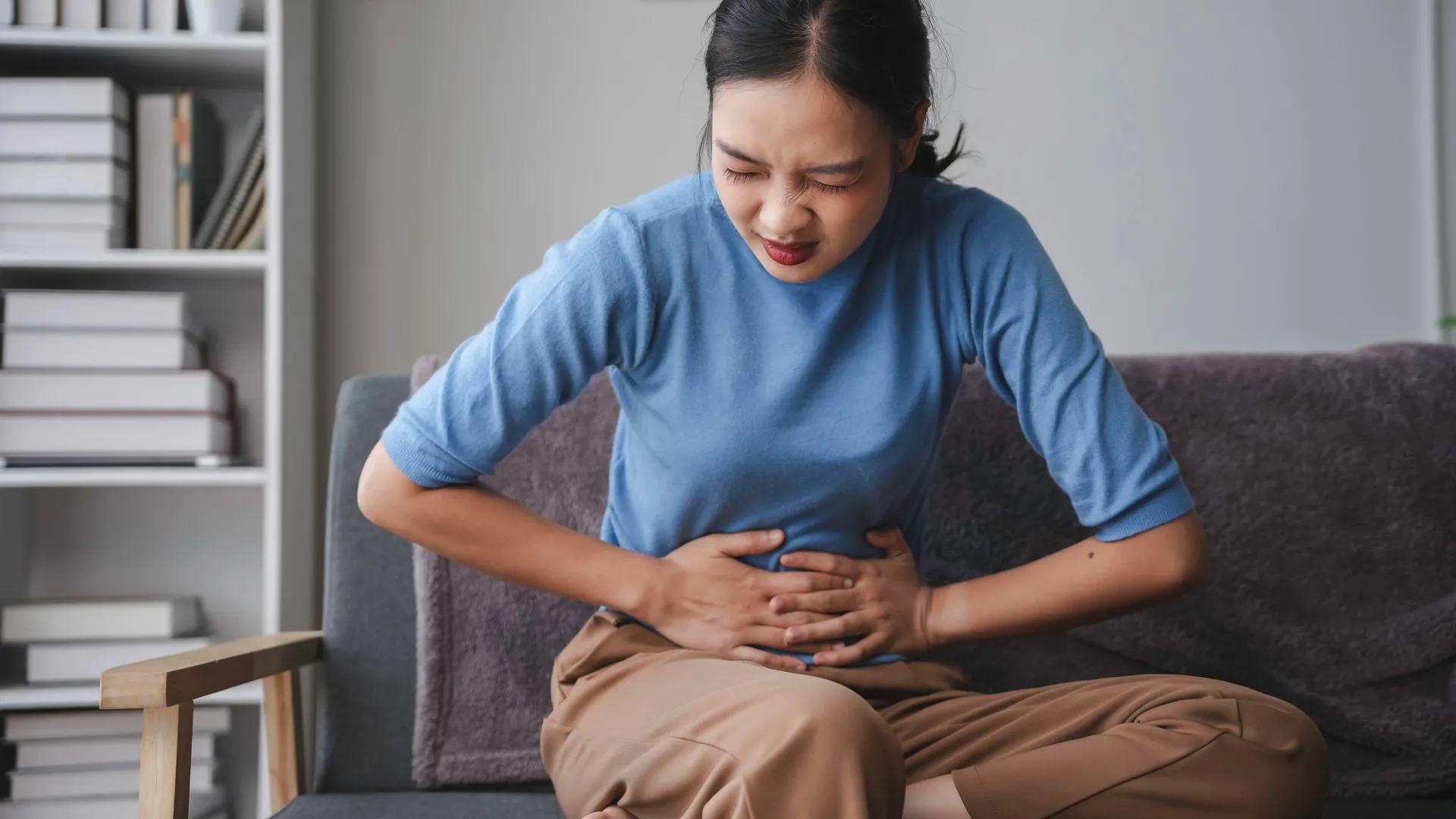
Irritable Bowel Syndrome (IBS) is a widespread digestive condition that affects the gastrointestinal tract. It occurs more frequently in women and commonly causes symptoms such as abdominal pain, constipation, or diarrhea. The exact cause of IBS remains uncertain. However, scientists believe that conditions inside the intestine, including the gut microbiota and the chemical messenger serotonin, play an important role.
Serotonin is widely recognized as a neurotransmitter in the brain that influences mood. Yet more than 90 percent of the body's serotonin is actually produced in the gut. There it regulates bowel activity through the enteric nervous system, often referred to as the "gut-brain."
Earlier studies have shown that bacteria living in the gut, known collectively as the gut microbiota, can influence how much serotonin the body produces. Until recently, however, researchers did not know whether gut bacteria themselves were capable of producing biologically active serotonin.
Gut Bacteria That Produce Serotonin
In a new study published in the journal Cell Reports, researchers identified two bacterial species that can work together to produce serotonin. The bacteria are Limosilactobacillus mucosae and Ligilactobacillus ruminis.
To test their effects, scientists introduced these bacteria into germ free mice that lacked normal serotonin levels. After the microbes were added, serotonin levels in the animals' intestines increased. The number of nerve cells in the colon also rose, and the time it took for food to move through the intestines returned to normal.
"It is incredibly fascinating how the gut bacteria can produce bioactive signaling molecules that affect health," says Fredrik Bäckhed, Professor of molecular medicine at Sahlgrenska Academy at the University of Gothenburg, and one of the leading authors of the study.
Possible New Treatment Paths for IBS
The researchers also discovered that people with IBS had lower levels of one of these bacteria (L. mucosae) in their stool samples compared with healthy individuals. This bacterium contains the enzyme needed to produce serotonin.
Magnus Simrén is a Professor of medical gastroenterology at Sahlgrenska Academy at the University of Gothenburg:
"Our results indicate that certain intestinal bacteria can produce bioactive serotonin and thus play an important role in intestinal health and open new avenues for the treatment of functional gastrointestinal disorders such as IBS," he says.
"Our findings indicate that intestinal bacteria can form signaling substances such as serotonin, which may be the key to understanding how the intestine and its inhabitants can affect our brain and the behavior," concludes Fredrik Bäckhed.
Story Source:
Materials provided by University of Gothenburg. Note: Content may be edited for style and length.
Journal Reference:
- Chiara H. Moretti, Estelle Grasset, Jiaying Zhu, Gaohua Yang, Louise E. Olofsson, Muhammad Tanweer Khan, Per-Olof Bergh, Jee-Hwan Oh, Annika Lundqvist, Tom van Gils, Manuela Krämer, Lisa M. Olsson, Piyush Patel, Matthias Mitteregger, Daysi Espinola Monges, Chinmay Dwibedi, Kimberly A. Krautkramer, Nienke Koopman, Marcus Henricsson, Andrew J. Macpherson, Thue Schwartz, Gianfranco Grompone, Jan-Peter van Pijkeren, Valentina Tremaroli, Stefan Roos, Magnus Simrén, Fredrik Bäckhed. Identification of human gut bacteria that produce bioactive serotonin and promote colonic innervation. Cell Reports, 2025; 44 (10): 116434 DOI: 10.1016/j.celrep.2025.116434
Cite This Page: