
A common nutrient could supercharge cancer treatment
A simple nutrient from everyday vegetables could help supercharge the body’s fight against cancer.
- Date:
- April 10, 2026
- Source:
- University of Chicago Medical Center
- Summary:
- A common eye-health nutrient, zeaxanthin, may also help the body fight cancer more effectively. Scientists discovered it strengthens T cells and enhances the impact of immunotherapy treatments. Found in everyday vegetables and supplements, it’s safe, accessible, and shows strong potential as a cancer therapy booster. Human trials are the next step.
- Share:
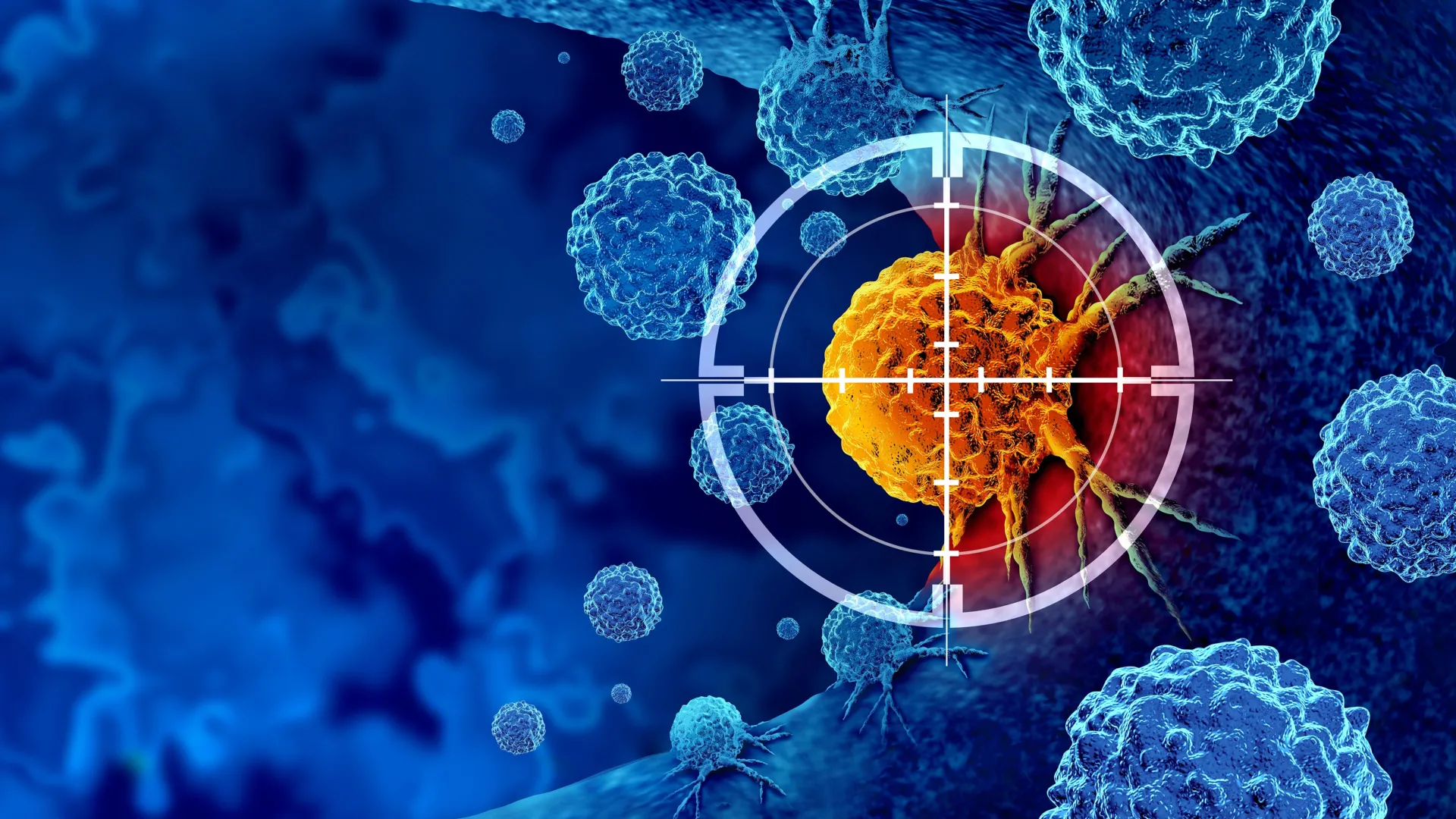
Researchers at the University of Chicago have uncovered a surprising new role for zeaxanthin, a plant-based compound best known for supporting eye health. According to findings published in Cell Reports Medicine, this common carotenoid may also help the immune system fight cancer by enhancing the activity of key immune cells. The discovery points to zeaxanthin as a simple, widely available supplement that could improve how well cancer immunotherapies work.
"We were surprised to find that zeaxanthin, already known for its role in eye health, has a completely new function in boosting anti-tumor immunity," said Jing Chen, PhD, Janet Davison Rowley Distinguished Service Professor of Medicine and senior author of the study. "Our study show that a simple dietary nutrient could complement and strengthen advanced cancer treatments like immunotherapy."
How Zeaxanthin Activates Cancer-Fighting T Cells
The research builds on years of work from Chen's lab exploring how nutrients shape immune responses. By analyzing a large library of nutrients found in blood, the team identified zeaxanthin as a compound that directly enhances the performance of CD8+ T cells. These immune cells play a central role in identifying and destroying cancer cells.
CD8+ T cells rely on a structure called the T-cell receptor (TCR) to detect abnormal cells. The researchers found that zeaxanthin helps stabilize the formation of this receptor complex when T cells encounter cancer. This leads to stronger internal signaling, which increases T-cell activation, boosts cytokine production, and improves the cells' ability to kill tumors.
Boosting the Power of Immunotherapy
In mouse studies, adding zeaxanthin to the diet slowed tumor growth. The effect became even more pronounced when combined with immune checkpoint inhibitors - a type of immunotherapy that has transformed cancer treatment in recent years. Together, the combination produced stronger anti-tumor responses than immunotherapy alone.
The team also tested human T cells that had been engineered to target specific cancer markers. In laboratory experiments, zeaxanthin enhanced these cells' ability to destroy melanoma, multiple myeloma, and glioblastoma cells.
"Our data show that zeaxanthin improves both natural and engineered T-cell responses, which suggests high translational potential for patients undergoing immunotherapies," Chen said.
A Safe, Accessible Nutrient With Broad Potential
Zeaxanthin is already widely used as an over-the-counter supplement for eye health. It is naturally present in foods such as orange peppers, spinach, and kale. Because it is inexpensive, easy to obtain, and well tolerated, researchers believe it could be quickly tested as a complementary approach to cancer treatment.
The findings also highlight the broader importance of diet in immune health. In earlier work, Chen's team identified trans-vaccenic acid (TVA), a fatty acid found in dairy and meat, as another compound that enhances T-cell function through a different pathway. Together, these discoveries suggest that nutrients from both plant and animal sources may work in complementary ways to support the immune system.
What Comes Next for Zeaxanthin in Cancer Care
While the results are promising, the researchers stress that the work is still in its early stages. Most of the evidence so far comes from laboratory experiments and animal models. Clinical trials will be needed to determine whether zeaxanthin can improve outcomes for people with cancer.
"Our findings open a new field of nutritional immunology that looks at how specific dietary components interact with the immune system at the molecular level," Chen said. "With more research, we may discover natural compounds that make today's cancer therapies more effective and accessible."
The study, "Zeaxanthin augments CD8+ effector T cell function and immunotherapy efficacy," was supported by grants from the National Institutes of Health, the Ludwig Center at the University of Chicago, and the Harborview Foundation Gift Fund.
Additional authors include Freya Zhang, Jiacheng Li, Rukang Zhang, Jiayi Tu, Zhicheng Xie, Takemasa Tsuji, Hardik Shah, Matthew Ross, Ruitu Lyu, Junko Matsuzaki, Anna Tabor, Kelly Xue, Chunzhao Yin, Hamed R. Youshanlouei, Syed Shah, Michael W. Drazer, Yu-Ying He, Marc Bissonnette, Jun Huang, Chuan He, Kunle Odunsi, and Hao Fan from the University of Chicago; Fatima Choudhry from DePaul University, Chicago; Yuancheng Li and Hui Mao from Emory University School of Medicine, Atlanta; Lei Dong from University of Texas Southwestern Medical Center, Dallas; and Rui Su from Beckman Research Institute, City of Hope, Duarte, CA.
Story Source:
Materials provided by University of Chicago Medical Center. Note: Content may be edited for style and length.
Journal Reference:
- Freya Q. Zhang, Jiacheng Li, Rukang Zhang, Jiayi Tu, Zhicheng Xie, Takemasa Tsuji, Hardik Shah, Matthew O. Ross, Ruitu Lyu, Junko Matsuzaki, Anna Tabor, Kelly Xue, Fatima Choudhry, Chunzhao Yin, Hamed R. Youshanlouei, Syed Shah, Michael W. Drazer, Yu-Ying He, B. Marc Bissonnette, Yuancheng Li, Hui Mao, Jun Huang, Lei Dong, Rui Su, Chuan He, Kunle Odunsi, Jing Chen, Hao Fan. Zeaxanthin augments CD8 effector T cell function and immunotherapy efficacy. Cell Reports Medicine, 2025; 6 (9): 102324 DOI: 10.1016/j.xcrm.2025.102324
Cite This Page: