
Most people who stop GLP-1 drugs like Ozempic eventually return
- Date:
- June 16, 2026
- Source:
- The Endocrine Society
- Summary:
- Many people prescribed GLP-1 drugs for type 2 diabetes (such as Victoza, Ozempic, or tirzepatide) stop taking them, but a surprising number later return to treatment. Researchers found that newer medications appear to keep patients on therapy longer, while side effects remain a major reason for discontinuation.
- Share:
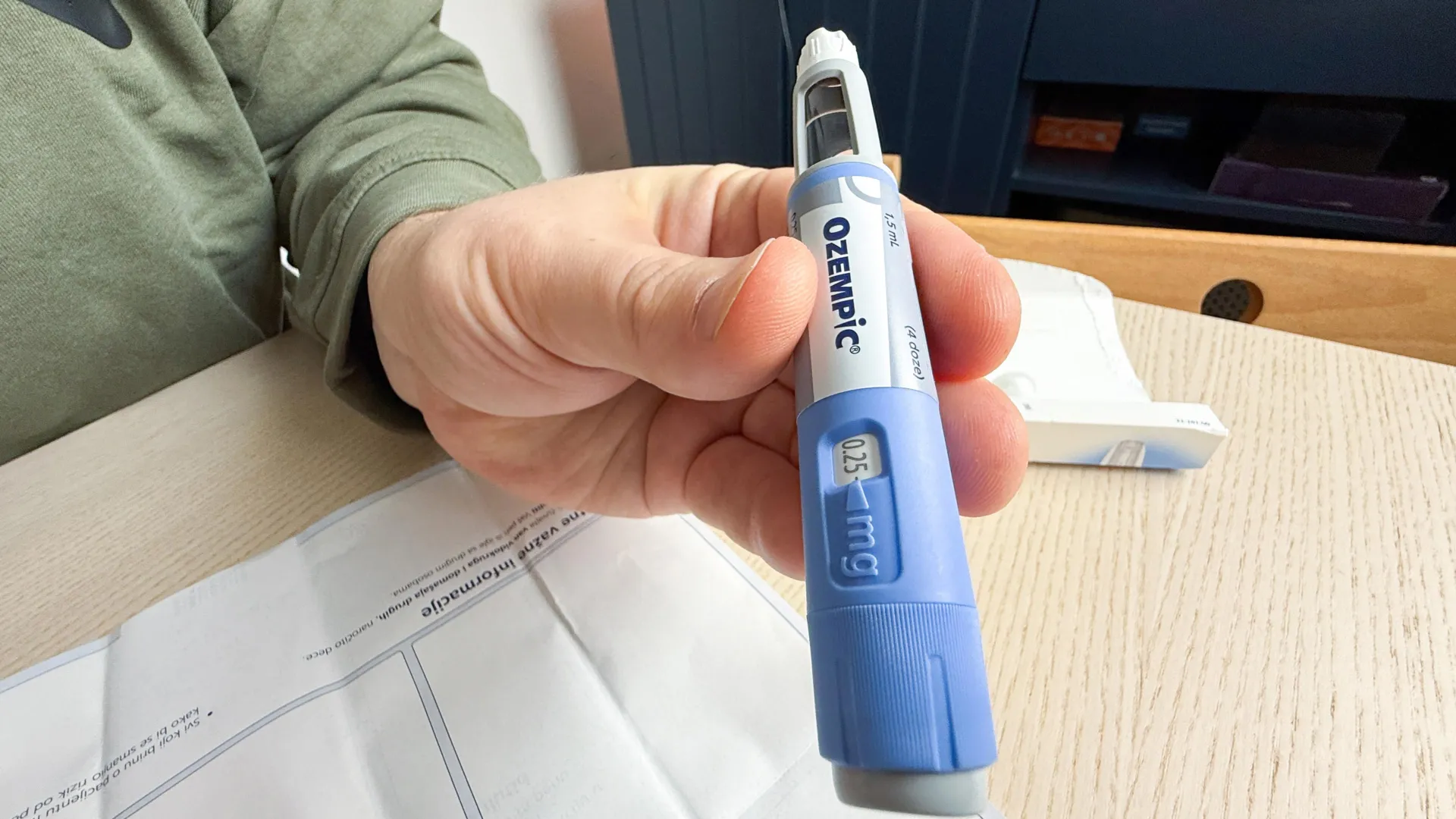
People taking GLP-1 medications for type 2 diabetes (liraglutide, semaglutide, or tirzepatide) may be more likely to stop and later restart treatment than many people realize, according to research presented Sunday at ENDO 2026, the Endocrine Society's annual meeting in Chicago, Ill.
The study examined two questions that have received limited attention so far.
"Our study asked two questions that haven't been well answered until now: How many people with type 2 diabetes taking GLP-1 medications actually stop using them? And how many restart them?" said Sainikhil Sontha, M.S., a research associate at Boston University School of Public Health in Boston, Mass.
Researchers analyzed Komodo Health U.S. claims data (January 2019 to June 2025) in a retrospective cohort study. The analysis included adults ages 18 to 64 with type 2 diabetes and a BMI ≥25 kg/m2 who had started treatment with liraglutide (Victoza), semaglutide (Ozempic), or tirzepatide (Mounjaro). Participants had been enrolled during the previous year and had more than 6 months of follow-up data available.
The team defined discontinuation as a gap of more than 60 days between prescription refills. Restarting treatment after such a gap was classified as reinitiation.
GLP-1 Discontinuation Rates in Type 2 Diabetes
"Using insurance records from more than 60,000 Americans with type 2 diabetes, we found that about 4 in 10 patients stopped their GLP-1 medication within the first year, and nearly 6 in 10 had stopped by the end of two years," Sontha said.
The researchers also uncovered a more encouraging trend.
"More than half of those who stopped restarted therapy within a year (41.5%), and nearly two-thirds did so within two years (58%)," Sontha said. "This suggests that for many patients, these medications aren't being abandoned permanently; use is more start-and-stop than most people assumed."
To better understand what influences treatment patterns, the researchers used Cox proportional hazards models and examined sociodemographic, clinical and provider-level factors.
Who Is More Likely To Stop GLP-1 Medications?
According to the findings, people covered by Medicaid or Medicare, Black patients, and those who experienced nausea or other gastrointestinal side effects (37%) were more likely to discontinue a GLP-1 medication within the first year.
The study also found that patients whose first GLP-1 prescription came from an endocrinologist were 10% less likely to stop treatment.
Newer GLP-1 Drugs Linked to Better Persistence
Medication type also appeared to make a difference.
People taking newer GLP-1 drugs such as tirzepatide were 41% less likely to discontinue treatment than those using older medications such as liraglutide. Users of semaglutide were 28% less likely to discontinue anti-obesity medication use compared with people taking older drugs.
Why Staying on GLP-1 Therapy Matters
"This research matters because consistent use of these medications is what produces their protective effects," Sontha said. "Stopping early may mean missed opportunities to prevent heart attacks, kidney disease progression and other complications."
Researchers say the results may help healthcare providers, insurers and policymakers identify patients who could benefit from additional support to remain on GLP-1 therapy over time, Sontha said.
Story Source:
Materials provided by The Endocrine Society. Note: Content may be edited for style and length.
Cite This Page: