
Scientists discover an unexpected way to make pancreatic cancer cells self-destruct
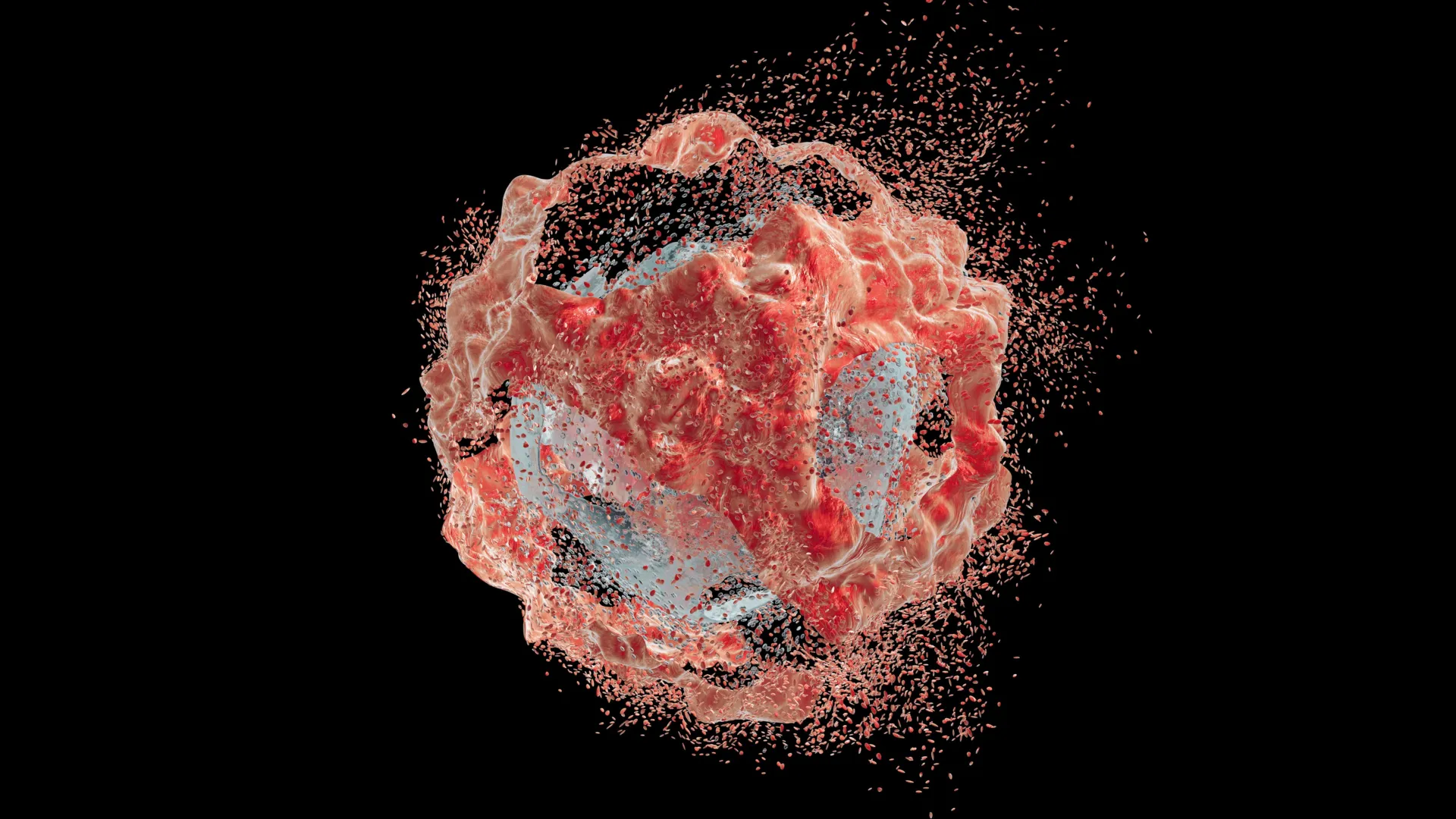
A surprising new experimental drug strategy may force deadly pancreatic cancer cells to self-destruct while stopping them from spreading.
- Date:
- June 29, 2026
- Source:
- Impact Journals LLC
- Summary:
- Researchers tested experimental PCAI compounds against pancreatic cancer cells and found they had powerful anticancer effects. One leading compound blocked more than 90% of cancer cell migration, suggesting it could help prevent the spread of tumors. Rather than suppressing cancer signaling, the treatment hyperactivated key pathways until the cells essentially self-destructed.
- Share:
A study published in Oncotarget is highlighting a promising new approach to fighting pancreatic cancer. The paper, titled "The anticancer effects of PCAIs in pancreatic cancer cells involve MAPK and PI3K/AKT pathways hyperactivation," was led by first author Kweku Ofosu-Asante and corresponding author Nazarius S. Lamango of the Florida A&M University College of Pharmacy and Pharmaceutical Sciences, Institute of Public Health in Tallahassee, Florida.
Pancreatic ductal adenocarcinoma is one of the most lethal cancers. A major reason is the high prevalence of KRAS mutations, which help tumors grow and often make them difficult to treat. Although scientists have recently developed therapies aimed at certain KRAS mutations, many patients still lack effective treatment options. As a result, researchers continue searching for therapies that can work across a wider range of KRAS-driven cancers.
In the new study, investigators examined a group of experimental compounds called polyisoprenylated cysteinyl amide inhibitors (PCAIs). These compounds were originally created to interfere with abnormal KRAS signaling. Using pancreatic cancer cells carrying KRAS mutations, the team studied how PCAIs influence cancer cell survival, movement, invasion, and the signaling pathways involved in tumor development.
Experimental Compound Slows Cancer Cell Movement
Two of the PCAIs tested showed particularly strong anticancer effects. Researchers then focused on a leading compound known as NSL-YHJ-2-27.
The compound significantly reduced the viability of pancreatic cancer cells and strongly limited their ability to migrate. At a concentration of only 1 µM, NSL-YHJ-2-27 blocked more than 90% of cancer cell migration. This finding suggests the compound could potentially help reduce the spread of cancer to other parts of the body.
The researchers also found that PCAIs interfered with several biological processes that cancer cells depend on for survival. Treatment lowered levels of important monomeric G-proteins involved in cell movement and invasion. It also altered the activity of genes linked to tumor progression and caused major disruptions to the actin cytoskeleton. As a result, cancer cells became rounded and lost much of their mobility.
Hyperactivating Cancer Signaling Pathways
One of the study's most surprising findings involved two major signaling pathways commonly associated with cancer growth: MAPK and PI3K/AKT.
Rather than shutting down these pathways, the PCAIs caused them to become highly overactivated. While these pathways normally support tumor growth, excessive activation can destabilize normal cellular functions and ultimately lead to cell death.
Evidence from the study supported this explanation. Cells treated with PCAIs produced higher levels of reactive oxygen species, activated caspase enzymes, increased levels of the pro-apoptotic protein BAX, and underwent widespread apoptosis, a form of programmed cell death.
Changes in Gene Activity and Tumor Models
The researchers also conducted transcriptomic analyses to examine changes in gene activity after treatment. They found extensive shifts in gene expression. Several genes known for tumor-suppressing functions became more active, while genes linked to cancer progression and metastasis became less active.
Additional testing was performed using three-dimensional tumor spheroid models, which more closely resemble real tumors than standard cell cultures. In these models, PCAI treatment caused tumor spheroids to break apart, reduced their ability to invade surrounding tissue-like matrices, and increased the number of apoptotic cells. These results suggest that the compounds remain effective in more realistic tumor environments.
"One class of such promising agents is the PCAIs that were designed to target oncogenic G-proteins in a manner that is different from the KRASG12C-targeting drugs."
Potential Benefits for Multiple KRAS Mutations
According to the researchers, one of the most significant aspects of the findings is that PCAIs appear capable of targeting cancer cells driven by several different KRAS mutations rather than focusing on a single mutant form. This broader activity could help address some of the limitations of current KRAS-targeted treatments.
Overall, the study showed that PCAIs can produce powerful anticancer effects in pancreatic cancer cells by disrupting critical signaling networks, increasing oxidative stress, and activating apoptosis. The findings support further research into PCAIs as potential treatments for pancreatic cancer and other cancers driven by KRAS mutations.
Story Source:
Materials provided by Impact Journals LLC. Note: Content may be edited for style and length.
Journal Reference:
- Kweku Ofosu-Asante, Jassy Mary S. Lazarte, Amarender Goud Burra, Nazarius S. Lamango. The anticancer effects of PCAIs in pancreatic cancer cells involve MAPK and PI3K/AKT pathways hyperactivation. Oncotarget, 2026; 17 (1): 268 DOI: 10.18632/oncotarget.28879
Cite This Page: