
Takeaway meals contain more salt than advertised, study finds
- Date:
- July 7, 2026
- Source:
- University of Reading
- Summary:
- Almost half of the takeaway meals tested contained more salt than advertised, with some dishes delivering nearly twice the recommended daily limit in a single serving. Surprisingly, classic fish and chips ranked among the lowest-salt options, while pasta, pizza, and curries were often the saltiest.
- Share:
New research suggests that many of the UK's most popular takeout meals contain more salt than diners are led to believe. In some cases, a single meal provided well over the recommended daily limit, even though menu labels suggested otherwise.
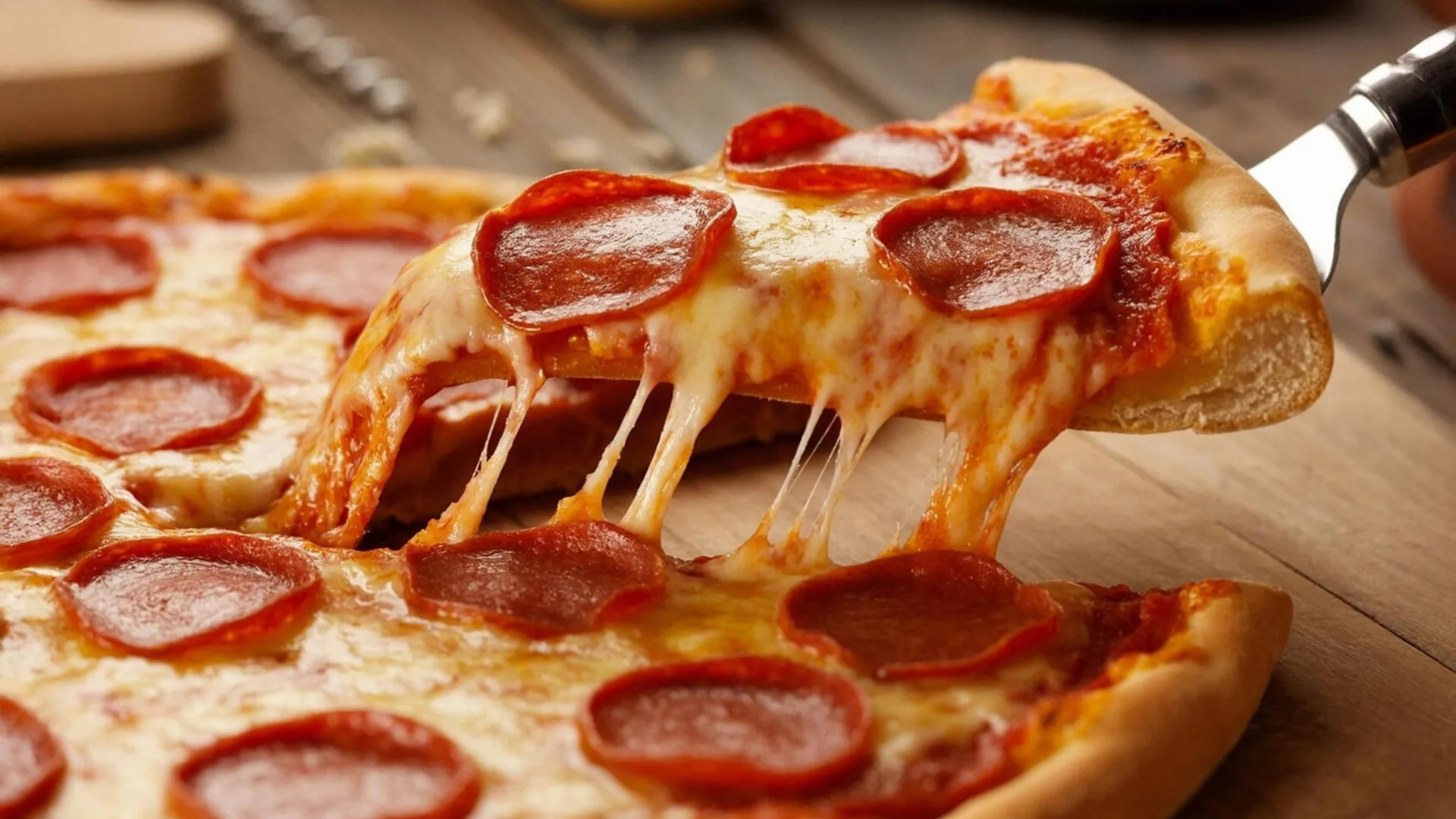
Researchers found that 47% of the takeout foods they tested contained more salt than their stated values. Curries, pasta dishes, and pizzas were among the foods most likely to have higher salt levels than advertised.
Although not every restaurant listed salt information on its menu, some meals purchased from independent restaurants in Reading contained more than 10g of salt in a single serving. By comparison, the recommended daily salt intake for an adult in the UK is 6g.
One unexpected finding was that traditional fish and chip shops served some of the lowest salt meals. Because salt is typically added only after cooking and only if requested, these meals generally contained less salt than many other takeout options.
Study Examined Takeout Salt Labels
The study, conducted by researchers at the University of Reading and published in the journal PLOS One, investigated how accurately restaurant menus report salt content and how much salt levels vary among similar dishes.
Professor Gunter Kuhnle, who led the study from the University of Reading, said: "We conducted this research because we suspected that many menu labels were inaccurate on salt. It is very difficult for restaurants to provide accurate values without measuring each meal. Variations in preparation methods, ingredients used and portion sizes mean food labels are often guess work. It's virtually impossible to know exactly how much salt is being added to your dinner.
"Food companies have been reducing salt levels in shop-bought foods in recent years, but our research shows that eating out is often a salty affair. Menu labels are supposed to help people make better food choices, but almost half the foods we tested with salt labels contained more salt than declared. The public needs to be aware that menu labels are rough guides at best, not accurate measures."
Which Takeout Foods Had the Most Salt?
To carry out the research, the team purchased 39 takeout meals from 23 locations across Reading, including national restaurant chains and independent takeout businesses.
Among the study's findings:
- Meat pizzas had the highest salt concentration at 1.6g per 100g.
- Pasta dishes contained the most salt per serving, averaging 7.2g, which exceeds the recommended daily intake in a single meal. One pasta dish contained as much as 11.2g of salt.
- Curry dishes showed the widest range of salt content, varying from 2.3g to 9.4g per serving.
- Chips from fish and chip shops had the lowest salt levels at just 0.2g per serving because salt is generally added only after cooking and on request. By comparison, chips from other takeout outlets averaged 1g per serving.
The World Health Organization estimates that consuming too much salt contributes to 1.8 million deaths around the world each year.
Story Source:
Materials provided by University of Reading. Note: Content may be edited for style and length.
Journal Reference:
- Alexandra Irina Mavrochefalos, Andrew Dodson, Gunter G. C. Kuhnle. Variability in sodium content of takeaway foods: Implications for public health and nutrition policy. PLOS One, 2026; 21 (1): e0339339 DOI: 10.1371/journal.pone.0339339
Cite This Page: