
Why obesity affects men and women differently may be hiding in their fat
- Date:
- November 17, 2026
- Source:
- University of California - Riverside
- Summary:
- Scientists at the University of California, Riverside have uncovered a surprising reason why males and females may respond differently to obesity. In a study involving mice, researchers discovered that immune cells traditionally associated with allergies and asthma can either protect against obesity-related inflammation or contribute to harmful metabolic changes, depending on their type and biological sex.
- Share:
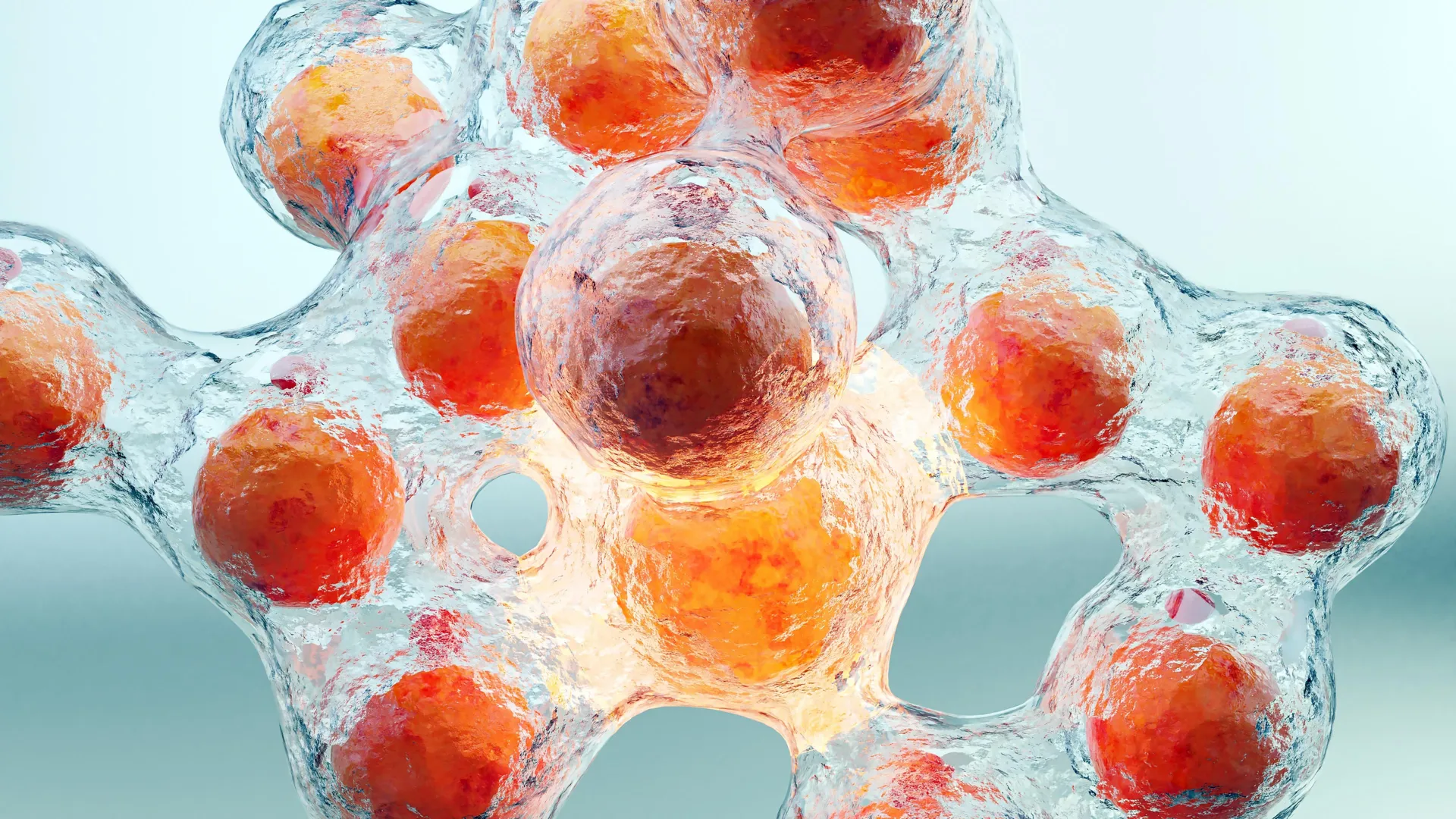
Scientists at the University of California, Riverside have uncovered a surprising difference in how the immune systems of males and females respond to obesity. Their findings suggest that certain immune cells found in body fat can help protect against inflammation and metabolic problems, while others may make these harmful effects worse.
The discovery centers on eosinophils, immune cells best known for their involvement in allergies and asthma. In experiments with mice, researchers found that these cells behave differently depending on biological sex, potentially helping explain why obesity does not affect males and females in the same way.
The study, published in PNAS Nexus, was led by University of California, Riverside biomedical scientists Meera Nair and Adam Godzik. Their findings challenge the longstanding assumption that eosinophils are largely similar cells with relatively few specialized functions. The results also point toward potential new approaches for treating obesity and its complications.
Six Types of Immune Cells Found in Body Fat
To investigate the role of eosinophils in obesity, the researchers used high-resolution single-cell sequencing, a technique that allows scientists to examine gene activity in individual cells. They identified six distinct eosinophil populations in adipose (fat) tissue, each with its own pattern of gene expression and potentially different biological functions.
This unexpected diversity suggests that eosinophils play a much more complicated role in metabolic health than previously recognized.
"Eosinophils are more complex than we once thought," said Nair, a professor of biomedical sciences in the UCR School of Medicine. "Some populations can protect against obesity, and if we can identify and activate the pathways that produce these protective cells, we may find new ways to improve metabolic health."
Why Male and Female Fat Tissue Respond Differently
One of the most striking discoveries was a difference in the immune cells found in male and female mice.
Female mice possessed a protective population of eosinophils that appeared to communicate more effectively with macrophages, another group of immune cells present in fat tissue. According to Nair, this cooperation may help create a healthier environment within fat tissue and support better metabolic function.
Male mice showed a different pattern. When given a diet high in fat, they were more likely to develop eosinophil populations associated with inflammation. Their fat tissue also contained eosinophils with gene activity patterns suggesting weaker protective functions.
These findings indicate that the effects of eosinophils on obesity depend on more than simply how many of these cells are present. The particular type of eosinophil and its interactions with neighboring immune cells may be equally important.
"This means the relationship between eosinophils and obesity is not simply a matter of how many eosinophils are present," said Rebecca E. Ruggiero-Ruff, a postdoctoral researcher in Nair's lab and co-first author of the paper. "Their functional characteristics and how they communicate with other immune cells are also critical."
A Protein That May Help Protect Against Inflammation
The researchers also identified a protein called RELM alpha that appears to play an important role in maintaining the beneficial relationship between eosinophils and macrophages.
Produced by macrophages, RELM alpha seemed to help stabilize communication between the two immune cell types in female mice. This interaction may be one reason certain eosinophil populations are better able to support healthy fat tissue.
The finding builds on earlier experiments by the same research group, which showed that administering RELM alpha to mice produced protective effects. Together, the results suggest that the protein may help regulate immune activity within fat tissue and influence how the body responds to obesity.
Could the Discovery Lead to Better Obesity Treatments?
Although the results offer new insight into the biology of obesity, the experiments were conducted in mice. Researchers have also detected eosinophils in fat tissue from people with obesity, but scientists do not yet fully understand what these cells do in the human body.
Nair cautioned that additional research will be necessary before the discovery can be used to develop treatments. One particularly important question is whether therapies targeting the immune system would work differently in men and women.
"A drug may not activate the same pathways or produce the same effects in males and females, particularly when it targets the immune system," said co-first author Xinru Qiu, a postdoctoral researcher in Godzik's lab. "We need to investigate sex-specific biology more thoroughly so that treatments can be optimized for different patients."
Understanding these differences could eventually help researchers design more personalized treatments for obesity and the metabolic complications associated with it.
Scientists Plan to Recreate Human Fat Tissue in the Lab
The research team is now investigating whether the protective behavior observed in mouse eosinophils can also be studied in human laboratory models.
To accomplish this, the scientists are developing three-dimensional adipose organoids. These miniature laboratory models reproduce certain features of real fat tissue, allowing researchers to examine how eosinophils interact with fat cells and other components of their environment.
The goal is to determine whether changing communication between immune cells could encourage healthier responses in human fat tissue.
"We ultimately hope to develop human adipose organoids that will allow us to investigate whether manipulating immune-cell communication can promote healthier tissue responses," said Godzik, a professor of biomedical sciences and the Bruce D. and Nancy B. Varner Presidential Endowed Chair in Cancer Research.
The findings raise the possibility that targeting specific immune cell populations, rather than treating all eosinophils as functionally identical, could eventually provide new ways to address obesity and its complications. Whether the same protective mechanisms operate in humans remains an important question for future research.
The research team also included Lauren Vance, Yuxin He, and Djurdjica Coss, who worked alongside Nair, Godzik, Ruggiero-Ruff, and Qiu.
Funding for the study came from the National Institutes of Health, the UCR School of Medicine, and the California Institute for Regenerative Medicine.
The research paper is titled "Single-cell heterogeneity of adipose eosinophils is shaped by sex and RELMα and linked to macrophage communication networks in obesity."
Story Source:
Materials provided by University of California - Riverside. Note: Content may be edited for style and length.
Journal Reference:
- Rebecca E Ruggiero-Ruff, Xinru Qiu, Lauren Vance, Yuxin He, Djurdjica Coss, Adam Godzik, Meera G Nair. Single-cell heterogeneity of adipose eosinophils is shaped by sex and RELMα and linked to macrophage communication networks in obesity. PNAS Nexus, 2026; 5 (11) DOI: 10.1093/pnasnexus/pgag365
Cite This Page: