
MIT’s smart pill confirms you took your medicine
MIT’s new “smart pill” quietly signals when it’s swallowed—offering a breakthrough way to make missed medications a thing of the past.
- Date:
- January 13, 2026
- Source:
- Massachusetts Institute of Technology
- Summary:
- MIT engineers have developed a pill that can wirelessly report when it’s been swallowed. Inside the capsule is a biodegradable antenna that sends a signal within minutes of ingestion, then safely dissolves. The system is designed to work with existing medications and could help doctors track adherence for high-risk patients. Researchers hope it will prevent missed doses that can lead to serious health consequences.
- Share:
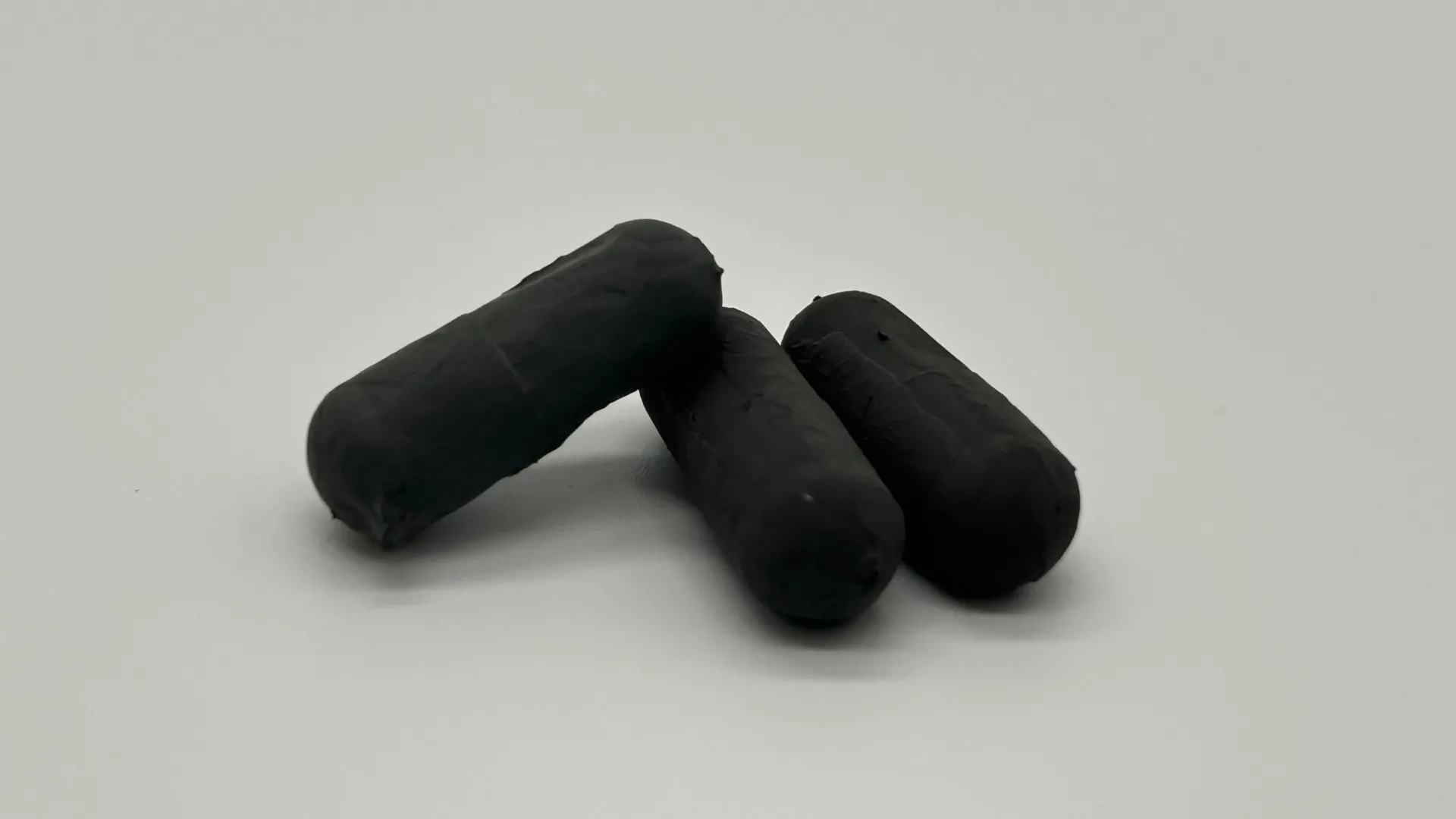
MIT engineers have developed a new type of pill designed to confirm when a patient has actually swallowed their medication. The technology could help address a widespread problem in health care: people missing doses or stopping treatment early.
The system can be built directly into existing pill capsules and uses a biodegradable radio frequency antenna to send a signal shortly after ingestion. Once the signal is transmitted, most of the pill's electronic components safely break down in the stomach, while a tiny RF chip moves through the digestive tract and exits the body naturally.
Researchers say the approach could be especially helpful for people who must follow strict medication schedules. These include organ transplant patients who rely on immunosuppressive drugs, as well as individuals being treated long term for infections such as HIV or TB.
"The goal is to make sure that this helps people receive the therapy they need to help maximize their health," says Giovanni Traverso, an associate professor of mechanical engineering at MIT, a gastroenterologist at Brigham and Women's Hospital, and an associate member of the Broad Institute of MIT and Harvard.
Traverso is the senior author of the study, which was published January 8 in Nature Communications. Mehmet Girayhan Say, an MIT research scientist, and Sean You, a former MIT postdoc, are the paper's lead authors.
Why Medication Adherence Remains a Major Challenge
Failing to take prescribed medication remains a serious issue worldwide. Each year, poor adherence contributes to hundreds of thousands of preventable deaths and drives billions of dollars in avoidable health care costs.
To help address this, Traverso's lab has previously explored drug delivery capsules that stay in the digestive system for extended periods, releasing medication at scheduled intervals. While effective in some cases, this approach is not suitable for every drug.
"We've developed systems that can stay in the body for a long time, and we know that those systems can improve adherence, but we also recognize that for certain medications, we can't change the pill," Traverso says. "The question becomes: What else can we do to help the person and help their health care providers ensure that they're receiving the medication?"
How the Swallowable Signaling System Works
In the new study, the team focused on a different strategy: confirming whether a pill has been taken rather than altering how the drug is delivered. The researchers turned to radio frequency -- a type of signal that can be detected outside the body and is considered safe for human use.
Earlier attempts at RF-based medication tracking relied on materials that do not easily break down inside the body, meaning the entire device had to pass through the digestive system intact. To reduce any risk of gastrointestinal blockage, the MIT team designed a bioresorbable system that can safely degrade after use.
The antenna responsible for transmitting the signal is made of zinc and embedded within a cellulose particle. These materials were selected for their strong safety record and compatibility with medical use.
"We chose these materials recognizing their very favorable safety profiles and also environmental compatibility," Traverso says.
The zinc-cellulose antenna is rolled into a compact shape and placed inside the pill along with the medication. The capsule itself is made of gelatin coated with cellulose and either molybdenum or tungsten, which prevents any RF signal from being emitted before the pill is swallowed.
Once ingested, the coating dissolves, releasing both the medication and the antenna. The antenna receives a signal from an external reader and, working with a small RF chip, sends back confirmation that the pill has been swallowed. This exchange typically occurs within 10 minutes.
The RF chip measures about 400 by 400 micrometers and is a commercially available component that does not biodegrade. It is designed to pass safely through the digestive tract. All remaining components break down in the stomach within about a week.
"The components are designed to break down over days using materials with well-established safety profiles, such as zinc and cellulose, which are already widely used in medicine," Say says. "Our goal is to avoid long-term accumulation while enabling reliable confirmation that a pill was taken, and longer-term safety will continue to be evaluated as the technology moves toward clinical use."
Potential Benefits for High-Risk Patients
In animal testing, the system successfully transmitted signals from inside the stomach to an external receiver located up to 2 feet away. If adapted for human use, the researchers envision pairing the pill with a wearable device that could relay the data directly to a patient's health care team.
Further preclinical studies are planned, and the team hopes to begin testing the technology in people in the near future. Organ transplant recipients are among the groups that could benefit most, since missing doses of immunosuppressive medication can quickly lead to organ rejection.
"We want to prioritize medications that, when non-adherence is present, could have a really detrimental effect for the individual," Traverso says.
Additional groups that may benefit include patients with recently placed stents who need medication to prevent blockages, individuals with chronic infections such as tuberculosis, and people with neuropsychiatric disorders that can interfere with consistent medication use.
Funding and Support
The research was supported by Novo Nordisk, MIT's Department of Mechanical Engineering, the Division of Gastroenterology at Brigham and Women's Hospital, and the U.S. Advanced Research Projects Agency for Health.
Story Source:
Materials provided by Massachusetts Institute of Technology. Original written by Anne Trafton. Note: Content may be edited for style and length.
Journal Reference:
- Mehmet Girayhan Say, Siheng Sean You, Yubin Cai, Ada Erus, Injoo Moon, Benjamin Muller, Felipe Vielba-Gomez, Arina Zadvornaya, Andrew Pettinari, Kailyn Schmidt, Niora Fabian, Alison Hayward, Peter Chai, Giovanni Traverso. Bioresorbable RFID capsule for assessing medication adherence. Nature Communications, 2026; 17 (1) DOI: 10.1038/s41467-025-67551-5
Cite This Page: